How to Propagate California sea-blite?
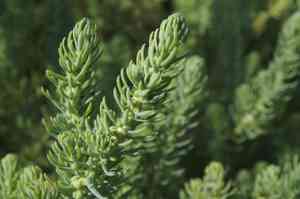
Suaeda californica, a coastal species, thrives in salty conditions. For propagation, collect semi-woody cuttings, approximately 4-6 inches in length. Utilize a sandy, free-draining soil blend for rooting these cuttings, keeping the substrate damp. Sustain elevated humidity levels surrounding the cuttings, potentially employing a plastic dome or a misting apparatus. Rooting compounds can improve the likelihood of success. Adequate air movement is vital to avert fungal infections.
What Is the Best Time To Propagate California Sea-blite?
Propagation Type
Cutting
Propagation Season
Spring,Summer
What Tools Are Used in California Sea-blite Propagation?
Pruning Shears
These are vital for obtaining healthy cuttings from california sea-blite. Utilize sharp, clean pruning shears to make precise cuts without harming the plant tissue, ensuring optimal health and development.
Rooting Hormone
Rooting hormone aids in stimulating root growth in cuttings. Dip the cut ends of california sea-blite cuttings in rooting hormone powder or gel to boost the success rate of new root formation.
Seedling Trays
These trays offer a controlled setting to support california sea-blite cuttings during their initial rooting phase. Use trays with individual compartments to prevent root intertwining and allow for easy transplantation.
Propagation Dome
A propagation dome maintains high humidity levels to prevent california sea-blite cuttings from drying out. This is crucial for successful rooting as it creates a mini greenhouse effect to support consistent moisture levels.
Sterile Growing Medium
A sterile growing medium, such as a blend of perlite and peat moss, provides a disease-free environment for california sea-blite cuttings. Ensure the medium drains well to prevent waterlogging, which can lead to decay.
Misting Bottle
A misting bottle is useful for maintaining high humidity around california sea-blite cuttings without over-saturating the medium. Regular misting mimics the natural coastal humidity conditions that california sea-blite thrives in.
Heat Mat
A heat mat placed beneath the seedling tray provides consistent warmth to the roots of california sea-blite cuttings, promoting faster and stronger root development. Optimize temperature settings according to california sea-blite's native growing conditions.
Label Tags
Label tags are essential for keeping track of different cuttings and their propagation dates. This assists in monitoring progress and ensures the correct care routine is followed for each california sea-blite cutting.
How to Propagate California Sea-blite?
Propagation Type
Moderately Difficult
How to Care for Your Newly Propagated California Sea-blite?
How to Care for Your Newly Propagated California Sea-blite?
Once the new california sea-blite plants have successfully rooted and acclimated, plant them in a location that mimics their natural coastal environment. Ensure they receive full sun to partial shade and plant in sandy or well-draining soil. Water regularly until established, then reduce watering frequency as california sea-blite is drought-tolerant. Monitor for pests and diseases, and prune to maintain shape and encourage bushy growth.
Common Mistakes to Avoid When Propagating California Sea-blite
Overwatering
Excessive watering can lead to root rot, which is harmful to the health of california sea-blite.
Using Poor-Quality Soil
Soil that lacks proper drainage can cause waterlogging, suffocating the roots and hindering growth.
Improper Light Conditions
Providing insufficient or excessive light can stress the plant, reducing its ability to establish and grow.
Neglecting to Harden Off
Failing to acclimate the plant to outdoor conditions can shock it, leading to poor growth or failure to thrive.
Incorrect Pruning Techniques
Improper pruning can damage california sea-blite, affecting its overall health and the ability to propagate effectively.
Tips For Propagating California Sea-blite
Well-Draining Soil
Ensure the soil has excellent drainage to prevent waterlogging, which can harm the roots.
Moderate Watering
Water sparingly, allowing the soil to dry out between watering sessions to avoid root rot.
Adequate Light
Place california sea-blite in a location where it can receive ample sunlight without exposure to scorching conditions.
Proper Hardening Off
Gradually acclimatize california sea-blite to outdoor conditions if starting indoors, to prevent transplant shock.
Use Cuttings
Propagating california sea-blite from cuttings can be effective; make sure cuttings are healthy and taken from mature plants.
Regular Monitoring
Keep a close watch on the plant's health, checking for signs of disease or pests, and address issues promptly.



