How to Transplant Lessing feather grass?
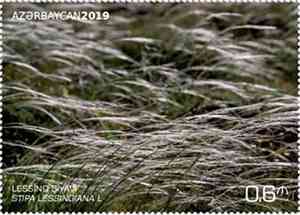
To ensure optimal establishment of lessing feather grass, transplant it during its active growth phase, from mid-spring to early summer, in areas featuring good drainage and abundant sunlight. Should it be necessary, amend the soil to foster robust root formation.
What Preparations are Needed Before Transplanting Lessing Feather Grass?
What is the Ideal Time for Transplanting Lessing Feather Grass?
The perfect time for moving lessing feather grass is from the refreshing period of mid-spring through the peak of early summer. Relocating lessing feather grass during this timeframe takes advantage of the mild weather, encouraging strong root development before the summer heat. This timing promotes vigorous growth, giving lessing feather grass a head start to thrive in its new spot with minimal stress. A helpful tip: garden success comes from aligning with nature's cycles!
How Much Space Should You Leave Between Lessing Feather Grass Plants?
Before placing your lessing feather grass in its new spot, plan to position them approximately 18-24 inches (45-60 cm) apart. This provides each plant ample room to grow without becoming crowded. A useful hint: Use a measuring tool or a pre-cut stick for consistent spacing!
What is the Best Soil Mix for Lessing Feather Grass Transplanting?
For your lessing feather grass, prepare soil that drains well and is rich in organic material. Incorporating a balanced, slow-release fertilizer will give your plants a healthy start. Mix it into the top layer of the soil before planting to supply essential nutrients.
Where Should You Relocate Your Lessing Feather Grass?
Choose a sunny location for your lessing feather grass, as full sun promotes optimal growth. Aim for an area that gets at least 6-8 hours of direct sunlight daily. If uncertain, observe potential sites before planting to confirm they receive enough sun!
What Equipments Should You Prepare Before Transplantation Lessing Feather Grass?
Gardening Gloves
To safeguard your hands while handling soil and plants.
Shovel or Spade
To excavate the lessing feather grass from its current spot and prepare the new planting hole.
Gardening Trowel
For more precise tasks when lifting small plants or working in confined areas.
Watering Can or Hose
To hydrate the lessing feather grass before and after its relocation.
Pruning Shears
To carefully trim any damaged roots or foliage.
Wheelbarrow or Garden Cart
To move the lessing feather grass and soil without causing harm.
Root Pruning Saw
For larger lessing feather grass, to cut through thicker roots if needed.
Tarp or Burlap
To cover and protect the root ball during transit.
How Do You Remove Lessing Feather Grass from the Soil?
How Do You Remove Lessing Feather Grass from the Soil?
From Ground: Hydrate the lessing feather grass to moisten the soil. Then, dig a wide circle around the lessing feather grass with a shovel or spade to prevent harming the root system. Pry under the root ball and carefully lift the plant from the ground.From Pot: Start by watering the soil to facilitate easier removal of the lessing feather grass. Turn the pot on its side and gently tap or jiggle the plant out, supporting the plant at its base and being careful not to pull on the stems.From Seedling Tray: Water the seedling tray soil prior to transplanting. Use a gardening trowel to gently lift the lessing feather grass out of its cell, ensuring as much of the root and surrounding soil remains intact as possible.
Step-by-Step Guide for Transplanting Lessing Feather Grass
Prepare the lessing feather grass
Begin by thoroughly watering the lessing feather grass to reduce transplant shock and make the roots easier to extract.
Dig the Plant Up
Carefully remove the lessing feather grass from its current location, preserving as much of the root ball as possible and minimizing soil disruption.
Protect the Roots
If there will be a delay before transplanting, temporarily wrap the root ball in a tarp or burlap to prevent it from drying out.
Transplantation
Dig a hole in the new spot that is twice as wide as the root ball but not deeper. Position the lessing feather grass in the center of the hole, spreading its roots outwards. Gently backfill the soil and firm it down.
Water After Planting
Once the lessing feather grass is in place, water it deeply to help settle the soil and eliminate air pockets, which can dehydrate the roots.
How Do You Care For Lessing Feather Grass After Transplanting?
Mulching
Apply a layer of mulch around the lessing feather grass to help retain moisture, stabilize soil temperature, and reduce weed growth.
Supporting
If the lessing feather grass is tall or susceptible to wind damage, gently stake it to provide stability as it establishes itself.
Pruning
Trim any broken or significantly damaged roots or foliage, but avoid extensive pruning to allow the lessing feather grass to recover from transplant stress.
Regular Check-ups
Monitor the lessing feather grass for signs of stress such as wilting or discolored leaves and address issues promptly with appropriate care.
Troubleshooting Common Issues with Lessing Feather Grass Transplantation.
When is the best time to transplant lessing feather grass?
The optimal period is during late spring to early summer to encourage growth.
How far apart should I space lessing feather grass when transplanting?
Ideal spacing is approximately 18-24 inches (45-60 cm), allowing ample room for expansion.
Why is my lessing feather grass not thriving after transplanting?
Ensure adequate sunlight, proper watering, and check for root damage or disease post-transplant.
What soil conditions are best for transplanting lessing feather grass?
Well-drained soil, rich in organic matter, supports healthy roots and plant development.
How much water does lessing feather grass need after transplanting?
Initially provide generous moisture; then moderate watering, allowing soil to slightly dry between sessions.
Can I transplant lessing feather grass on cloudy days?
Yes, overcast conditions can lessen transplant shock by reducing evaporation.
How deep should I dig to transplant lessing feather grass?
The hole should be slightly larger than the root ball to promote easy establishment.
What's the best way to handle lessing feather grass roots when transplanting?
Avoid excessive handling. Gently separate and spread the roots to prevent circling.
Should I fertilize lessing feather grass immediately after transplanting?
Wait a few weeks for the plant to establish before applying fertilizer to avoid burning the roots.
Can I transplant lessing feather grass when it's hot outside?
It's best to avoid the hottest part of the day; transplant during cooler morning or evening hours.



