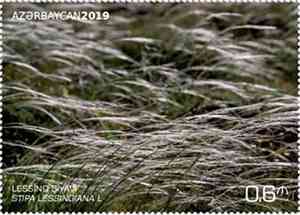
Lessing feather grass(Stipa lessingiana)

Lessing feather grass (Stipa lessingiana)

Also known as: Hair grass

Lessing feather grass (Stipa lessingiana) is a highly regarded ornamental grass known for its fine, feathery plumes and slender, arching stems. Here are its main characteristics and gardening uses:

### Characteristics:
1. **Appearance:** Features delicate, wispy seed heads that sway gracefully in the wind.
2. **Height:** Typically reaches about 1-2 feet tall.
3. **Foliage:** Thin, green leaves that offer a soft, airy texture.
4. **Hardiness:** Well-suited for USDA zones 4-9 and is drought-tolerant.
5. **Growth Habit:** Forms clumps and is non-invasive, unlike some other grasses.

### Uses in Gardening:
1. **Ornamental:** Adds an elegant, airy element to borders, rock gardens, and mixed perennial beds.
2. **Ground Cover:** Serves as a low-maintenance option for ground cover.
3. **Erosion Control:** Stabilizes soil, making it useful for slopes.
4. **Wildlife Habitat:** Attracts birds and beneficial insects.
5. **Xeriscaping:** Perfect for dry, low-water gardens.

Compared to Stipa tenuissima, Lessing feather grass is more refined and prominent, making it a versatile choice for a variety of garden settings, including courtyards, city gardens, and patios. Its aesthetic appeal and ease of care make it a popular choice among gardeners.

Attributes of Lessing feather grass

Lifespan
Perennial
Plant Type
Grass
Plant Height
70 cm
Spread
60 cm
Leaf Color
Green
Flower Size
10 cm to 20 cm
Flower Color
Brown Yellow Green Silver

ForwardPlant - Identify plants with a snap

Identify and diagnose plants, get toxicity alerts, and explore safety guides for all types of fungi.

Try for Free

Images of Lessing feather grass

Lessing feather grass(Stipa lessingiana)

Quickly Identify Lessing feather grass

1
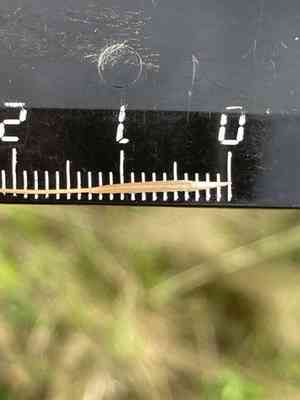
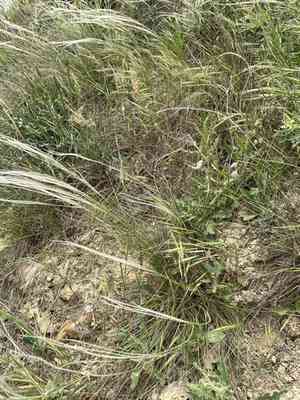
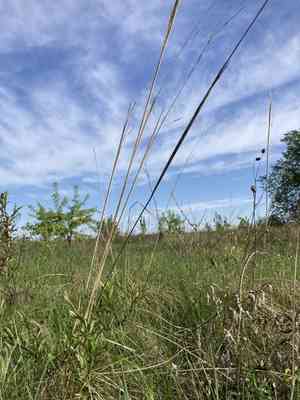
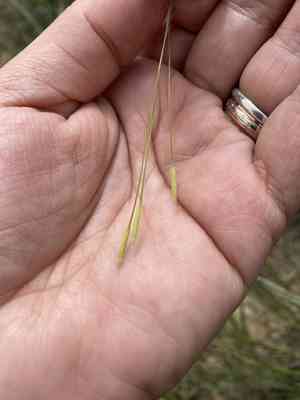
Stipa lessingiana can be identified by its slender, needle-like leaves and tall flowering stems that bear characteristic long, feathery awns. The plant usually forms dense tufts or clumps.

Scientific Classification of Lessing feather grass

Phylum
Vascular plants
Class
Monocotyledons
Order
Poales
Family
Grass
Genus
Needle grass
Species
Lessing feather grass

Planting and Growing of Lessing feather grass

Care Difficulty
Easy
Watering Schedule
Every day
Sunlight Requirements
Full sun
Sunshine Duration
4-6 hours
Ideal Temperature
59-77℉
Soil Type
Potting Mix, Peat Mix
Soil pH
6.5-7.5
Fertilizer Type
Balanced
Pruning Season
Spring, Summer
Pruning Area
Branches, Leaves
Pruning Frequency
2 times a year
Repotting Season
Spring
Pot Type
Terracotta, Plastic

water icon How to Water Lessing feather grass?

Stipa lessingiana appreciates being watered deeply, allowing the water to reach its roots without leaving the soil soggy. During the watering process, ensure that the water penetrates the ground but doesn't accumulate to form puddles.
What are the symptoms of an underwatered Lessing feather grass?
What should I do if my Lessing feather grass is not getting enough water?
What are the symptoms of an overwatered Lessing feather grass?
How to save an overwatered Lessing feather grass?

sunlight icon What Are the Sunlight Requirements for Lessing feather grass?

Sunlight Requirements: Full sun
Duration of light: 6 to 8 hours
Stipa lessingiana prefers full sun, making locations with ample sunlight ideal. Adequate lighting fosters healthy growth, vibrant foliage, and improved robustness against environmental stressors.
What is the ideal amount of sunlight for Stipa lessingiana?
How to achieve ideal sunlight conditions for your Stipa lessingiana?
What benefits does Stipa lessingiana gain from ideal sunlight exposure?
More About Sunlight Requirements Techniques

temperature icon What Is the Ideal Temperature Range for Lessing feather grass?

Ideal Temperature: 59 ~ 77℉
The ideal temperature range for Stipa lessingiana to thrive is between 59°F and 77°F. Within this range, the plant can efficiently conduct its physiological processes such as photosynthesis and respiration. Maintaining this temperature ensures optimal enzyme activity within the plant's cells, which in turn supports robust growth and a healthy appearance.

soil icon What Soil is Best for Lessing feather grass?

Soil type: Sandy soil, Loam, Calcareous soil
Soil PH: 6.5 ~ 7.5
Stipa lessingiana thrives best in well-draining soil to prevent root rot. This requirement ensures that water does not accumulate at the root zone, promoting healthy root growth and reducing the risk of fungal infections. This grass species prefers nutrient-poor soils, an adaptation that helps it outcompete other plants in its natural habitat. This condition enhances its growth by limiting excessive nutrient supply, which could encourage unwanted plant competition. The preference for soils with low organic matter results from its adaptation to relatively barren environments. This ensures that the plant doesn't depend on high fertility soils and avoids problems associated with over-fertilization, such as excessive growth that compromises structural stability.

fertilize icon How to Fertilize Lessing feather grass?

Fertilizer type: Balanced
Stipa lessingiana, known for its resilience in arid regions, requires minimal fertilization. Ideally, apply a balanced liquid fertilizer diluted to half strength twice a month during growing season, ensuring not to saturate the soil.

prune icon How to Prune Lessing feather grass?

Pruning Time: Spring, Summer
Carefully inspect your Stipa lessingiana and remove any dead or brown blades. This will open up space for fresh new growth and prevents the spread of decay. Trim the plant to about 1/3rd of its original height in spring. This encourages robust and healthy regrowth. In summer, only remove any additional dead or damaged growth. While grooming is essential, do not cut back too severely. Over-pruning can weaken the plant, making it more susceptible to stress and disease. More About Pruning Techniques

propagate icon How to Propagate Lessing feather grass plant?

Propagate Time: Early spring, Late spring, Early autumn
1
To propagate by seed, start by filling seed trays with a well-draining soil mix. Sow the seeds thinly and cover lightly with soil. Keep the trays in a warm, bright location and maintain consistent moisture until germination occurs.
2
For division propagation, carefully dig up established plants with a garden fork. Gently separate the clumps into smaller sections, ensuring each section has a good amount of roots. Replant the divisions at the same depth as the original plant.
3
After planting seeds or divisions, water thoroughly to settle the soil. Maintain consistent moisture levels while avoiding waterlogging. Monitor for weeds and remove them promptly to reduce competition for nutrients.
More About Propagating Techniques

repot icon How to Repot Lessing feather grass plant?

Repotting frequency: Every 2-3 years
1
Stipa lessingiana shows signs of needing repotting when its roots start protruding from the drainage holes or when growth seems stunted despite proper care. Ideally, repot this plant during spring or autumn when it can best recover from the stress of being moved.
2
Select a pot that is slightly larger than the current one, with ample drainage holes. The additional space allows root expansion, promoting healthier growth. Drainage holes are crucial to prevent waterlogging, which can harm the roots.
3
Opt for well-draining sandy loam to ensure excess moisture escapes easily, preventing root rot. This type of soil provides a stable anchor while accommodating the grass’s preference for drier conditions.

ForwardPlant - Identify plants with a snap

Find the best spots for them to optimize their health, simply using your phone.

Try for Free