How to Prune Lessing feather grass?
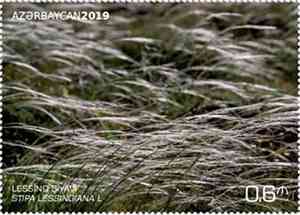
A delicate decorative grass, lessing feather grass flourishes with infrequent trimming. Eliminate aged leaves in early spring prior to the emergence of new shoots, cutting them back to merely a few inches above the soil. This guarantees a neat look and fosters vigorous, strong development. Should it be necessary, lightly snip during winter to take off any impaired or lifeless foliage. Trimming during these periods avoids interfering with the inherent growth pattern and enhances the plant's graceful, cascading shape. Regular pruning optimizes both its visual attractiveness and overall plant health.
What Are the Benefits of Pruning Lessing Feather Grass?
What Are the Benefits of Pruning Lessing Feather Grass?
Trimming lessing feather grass promotes robust development by eliminating dead or overgrown stalks, improving air flow and sun exposure. It helps keep its desired form, leading to a more attractive look.
What Is the Best Time for Pruning Lessing Feather Grass?
What Is the Best Time for Pruning Lessing Feather Grass?
Trimming lessing feather grass in early spring is recommended as it coincides with the end of its dormant phase and just before new growth begins. This timing allows lessing feather grass to recover quickly and channel its energy into producing new, healthy shoots. Pruning at this time reduces plant stress and minimizes impact on flower and seed development later in the season. Winter pruning is also ideal for lessing feather grass, especially late winter, as the plant is still dormant, and there's less risk of frost damage to fresh cuts. This period offers a chance to remove any dead or diseased foliage without harming the plant's vitality, preparing lessing feather grass for vigorous spring growth.
What Tools Do I Need to Prune Lessing Feather Grass?
Hands Shears
Perfect for shaping and trimming lessing feather grass foliage, ensuring neat clumps and removing spent flower stalks. Hand shears allow for precise cuts and are gentle on the grassy leaves.
Pruning Scissors
Excellent for detailed work and thinning out smaller or delicate areas of lessing feather grass without harming surrounding blades. Pruning scissors offer precision for maintaining the plant's ornamental look.
Leaf Rake
Used after pruning to collect and remove cut foliage from around the base of lessing feather grass. A leaf rake is especially useful for keeping the area clean and preventing potential fungal growth in dense grass clumps.
How to Prune Lessing Feather Grass
Clean tools
Before beginning the trimming process, sanitize all pruning tools with rubbing alcohol or a 10% bleach solution to prevent disease spread.
Diseased leaves
Carefully check lessing feather grass for any diseased leaves. Using sterilized pruning shears, cut off diseased leaves at their base where they meet the stem. Ensure not to damage healthy parts while removing affected foliage.
Withered leaves
Identify withered leaves, which are typically dry and brown. Trim these leaves by cutting them close to the plant's base, being careful not to cut into green, healthy tissue.
Cleanup
After trimming diseased and withered leaves, gather and dispose of all debris. This helps prevent the spread of pathogens and keeps the area around lessing feather grass clean.
Monitor health
Regularly observe lessing feather grass after pruning for signs of new growth and health. This will help determine if further trimming or other care is needed to maintain the plant's vitality.
Common Pruning Mistakes with Lessing Feather Grass
Overpruning
Removing too much foliage from lessing feather grass at once can shock the plant, leading to stunted growth or even death. Trimming more than a third of the plant at any given time is generally excessive.
Improper cutting technique
Making jagged or blunt cuts can damage lessing feather grass's grassy foliage, potentially inviting disease and hindering healthy regrowth. Always use sharp, clean tools for precise cuts.
Neglecting to remove dead leaves
Lessing feather grass benefits from the removal of dead or discolored leaves, but a common error is leaving them intact, which can impede new growth and diminish the plant's aesthetic appeal.
Ignoring plant shape
Pruning without considering the natural shape of lessing feather grass can result in uneven growth and an unattractive appearance. Gardeners should aim to maintain the plant's graceful, fountain-like form.
Pruning healthy growth
Unnecessarily cutting back healthy growth can limit the plantâs natural development and flowering potential. Gardeners should focus on removing only the portions that are dead or damaged.
Common Pruning Tips for Lessing Feather Grass
Use the right tools
Employ sharp, clean pruning shears or scissors specifically designed for grasses to make clean cuts on lessing feather grass without harming the plant's structure.
Focus on dead material
Concentrate on removing dead or yellowing foliage from lessing feather grass to promote air circulation and allow sunlight to reach the plant's base, fostering healthy growth.
Maintain natural form
When trimming lessing feather grass, follow the plant's natural contours to preserve its fountain-like shape. Avoid creating blunt or unnatural lines that detract from its flowing appearance.
Prune gradually
Gradually thin out the plant by selectively removing specific blades of grass. This targeted approach will encourage an even distribution of regrowth across lessing feather grass.
Tidy up seed heads
If self-seeding is a concern, or to maintain tidiness, trim off spent seed heads. Do so carefully to avoid over-pruning which might compromise next season's blooms.



