How to Transplant Feather grass?
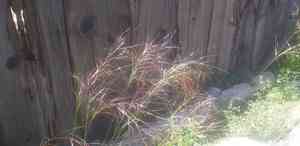
The most suitable period for transplanting feather grass is at the onset of its revitalization phase, usually from late winter's thaw through the robust period of early spring. Select a location that receives abundant sunlight and possesses soil with excellent drainage. Provide feather grass with sufficient room to thrive, accounting for its natural development. A helpful tip: careful manipulation is crucial to avoid disrupting the root system during this operation.
What Preparations are Needed Before Transplanting Feather Grass?
What is the Ideal Time for Transplanting Feather Grass?
The best time to move feather grass is after winter's cold but prior to summer's intense heat, essentially in 'early spring'. This period offers an ideal balance of cool temperatures and gentle weather, vital for root establishment without the stress of extreme conditions. This timeframe also aligns with feather grass's natural growth cycle, promoting robust development as days lengthen and warm. By transplanting in this nurturing season, you'll give feather grass the best start, ensuring a strong and thriving presence in your garden.
How Much Space Should You Leave Between Feather Grass Plants?
When positioning your feather grass, ensure ample room for growth! Aim for a spacing of approximately 18-24 inches (45-60 cm) between plants. This provides each specimen sufficient area to mature beautifully without competing for nutrients or sunlight.
What is the Best Soil Mix for Feather Grass Transplanting?
For optimal feather grass health, select well-draining soil with moderate fertility. Before planting, enrich your garden bed with a balanced, slow-release fertilizer to give your feather grass an excellent start. Incorporating a bit of compost also works wonders!
Where Should You Relocate Your Feather Grass?
Your feather grass thrives in sunny locations! Choose a spot where it can receive full sunlight for most of the day. This ensures your feather grass grows strong and produces its characteristic delicate, feathery plumes.
What Equipments Should You Prepare Before Transplantation Feather Grass?
Gardening Gloves
To safeguard your hands while handling soil and plants.
Shovel or Spade
For digging around and under the plant, allowing for safe removal and transport.
Hand Trowel
For precise tasks and smaller digging needs.
Watering Can or Hose
To hydrate the plant before and after the transplanting process.
Pruning Shears
To trim any dead or excess foliage and roots.
Wheelbarrow or Garden Cart
To move the feather grass and soil without physical strain.
Garden Fork
To loosen the soil around the plant's roots for easier extraction.
Mulch
To help maintain soil moisture and regulate temperature after transplanting.
How Do You Remove Feather Grass from the Soil?
How Do You Remove Feather Grass from the Soil?
From Ground: First, water the feather grass to moisten the soil, making it easier to extract the plant without root damage. Then, use a garden fork or shovel to dig a wide circle around the plant, ensuring you're far enough out to avoid harming the root system. Carefully slide the shovel or spade beneath the root ball to lift the feather grass from the ground.From a Pot: Begin by watering the feather grass in its current container to dampen the soil and facilitate removal. Gently invert the pot while supporting the plant at its base. Tap the sides and bottom of the pot to loosen the soil if needed. Slide the plant out of the pot, taking care to preserve the root ball.From Seedling Tray: Lightly water the seedlings to prepare their roots for relocation. Use a hand trowel or similar tool to scoop out individual feather grass seedlings, ensuring a soil clump remains around the roots for protection.
Step-by-Step Guide for Transplanting Feather Grass
Preparing the New Site
Dig a hole in the new designated area that is twice as wide and just as deep as the feather grass's root ball. Loosen the soil at the bottom and sides of the hole with a garden fork.
Inspecting the Rootball
Before placing feather grass in the new hole, examine the plant's root ball for any signs of damage or disease and use pruning shears to trim if necessary.
Placing the Plant
Gently position the feather grass in the center of the prepared hole. The top of the root ball should be level with the surrounding soil surface.
Filling the Hole
Carefully backfill the hole with soil, firming it down around the rootball to eliminate air pockets, which could dry out the roots.
Watering
Immediately after planting, water the feather grass deeply to settle the soil around the roots and to help reduce transplant shock.
How Do You Care For Feather Grass After Transplanting?
Immediate Care
Keep the area around the feather grass free of weeds and gently water it to maintain consistent soil moisture, encouraging roots to spread into the surrounding soil.
Monitoring Growth
Regularly check the growth of your feather grass and address any signs of wilting or distress, which could indicate a problem needing attention.
Mulching
Apply a layer of mulch around the base of the feather grass, ensuring it doesn't touch the stems, to help regulate soil temperature and retain moisture.
Gradual Adjustment
If the feather grass was grown in significantly different conditions before transplanting, acclimate it to its new environment gradually by providing temporary shade or shelter as needed.
Troubleshooting Common Issues with Feather Grass Transplantation.
How far apart should I space feather grass when transplanting?
Plant feather grass with a gap of 18-24 inches (45-60 cm) to ensure proper growth and airflow.
What's the best time of year to transplant feather grass?
Transplant feather grass during early to mid-spring when the soil is workable and the weather is mild.
Why are my transplanted feather grass wilting after planting?
Feather grass may wilt due to transplant shock. Ensure proper watering, avoid full sun immediately, and protect from strong winds.
Feather grass seem stunted post-transplant, what could be the issue?
Stunted growth might result from root damage during transplanting. Handle roots gently and plant at the same depth as before.
Any tips to ensure successful feather grass root establishment post-transplant?
Water feather grass thoroughly post-transplant and maintain moist soil without waterlogging to encourage root growth.
How do I choose the right spot to transplant feather grass?
Pick a spot with full sun to partial shade and well-draining soil to match feather grass's natural preferences.
Can I transplant feather grass when it's flowering or seeding?
It's best to transplant feather grass when it's not flowering or seeding to minimize stress and promote root establishment.
How deep should I dig to transplant feather grass?
Dig a hole that's twice the width and the same depth as the root ball to provide ample space for roots.
Do I need to amend the soil when transplanting feather grass?
Amending the soil with compost can improve fertility and drainage, which benefits feather grass's growth.
Should I prune feather grass before or after transplanting?
Gentle pruning of damaged or excessively long roots before transplanting can promote healthy growth of feather grass.



