How to Prune Feather grass?
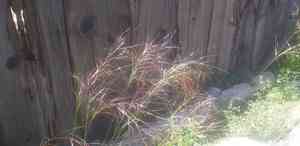
Feather grass, a resilient decorative grass, flourishes with little upkeep. Trimming is best performed in early spring or during winter, prior to the emergence of new shoots. Reduce the foliage to approximately 4 inches above the soil, which fosters robust, thick regeneration and preserves its elegant shape. Eliminate any withered or compromised blades to stimulate new clusters. This trimming process not only rejuvenates feather grass but also deters self-propagation and aggressive spreading, guaranteeing a neat presence in your garden.
What Are the Benefits of Pruning Feather Grass?
What Are the Benefits of Pruning Feather Grass?
Trimming feather grass is crucial for robust development and preserving its ornamental form. It stimulates fresh shoots, leading to a denser, more appealing shape while ensuring the plant's energy is directed to healthy stems, which can lower disease risk.
What Is the Best Time for Pruning Feather Grass?
What Is the Best Time for Pruning Feather Grass?
The optimal time for pruning feather grass is early spring or winter. Early spring pruning aligns with the start of the growing season, allowing feather grass to recover quickly and channel energy into new growth. This timing ensures cuts heal fast, and the plant doesn't lose significant energy reserves stored over winter. Similarly, winter pruning can be beneficial as feather grass is dormant, and removing dead or excess growth then won't stress the plant. Additionally, without foliage, the structure of feather grass is more visible, simplifying effective pruning. Work should be completed before new spring growth begins to avoid cutting new shoots and potentially delaying the flowering phase. These seasons are generally preferred to promote the health and aesthetics of feather grass, preventing stress that could result from pruning during active growth or flowering periods.
What Tools Do I Need to Prune Feather Grass?
Hand Pruners or Shears
These are perfect for making precise cuts on feather grass, allowing the gardener to shape the plant and remove dead or diseased foliage without harming healthy stems. Hand pruners are designed to cut through grasses with finesse and minimal plant damage. Choose a pair with sharp, bypass blades for a clean cut.
Sharp Scissors
For trimming smaller or finer foliage of feather grass, sharp scissors offer the necessary precision. This tool is best for maintaining shape and removing any unwanted or spent blades from the clump.
Grass Clippers
Grass clippers, sometimes called grass shears, are excellent for reaching the base of feather grass and trimming clumps in a more controlled manner. The long handles also reduce the need to bend, making the pruning process more comfortable.
How to Prune Feather Grass
Disinfect tools
Before pruning feather grass, always begin by sanitizing pruning shears or scissors to prevent disease spread. Use a solution of one part bleach to nine parts water or rubbing alcohol to thoroughly clean the blades.
Remove diseased leaves
Carefully inspect feather grass and identify any leaves showing signs of disease such as discoloration, spots, or decay. Use the disinfected shears to snip these leaves close to the plant's base, ensuring not to harm healthy foliage.
Remove withered leaves
Look for leaves on feather grass that have withered or turned brown. These are typically old or dead and can be carefully removed by cutting them at the base to tidy up the plant and encourage new growth.
Clean up
After completing the prune on feather grass, gather and dispose of all removed foliage to minimize the risk of disease spreading. Please do so in a manner appropriate for your local area, such as bagging them for yard waste removal.
Sanitize tools post prune
Once pruning is finished, clean and disinfect the tools again to prevent the transfer of any potential diseases to other plants or future prunings of feather grass.
Common Pruning Mistakes with Feather Grass
Over pruning
Removing more than one-third of feather grass's foliage can lead to stunted growth or a weakened plant, potentially making it susceptible to diseases and pests.
Using dull tools
Employing dull or unclean pruning tools can result in jagged cuts or infections, harming feather grass's overall health.
Neglecting dead material removal
Failing to remove dead or damaged foliage of feather grass can impede new growth and may encourage the presence of pests and diseases.
Incorrect cut location
Making cuts too close to the crown or too far from the base could damage new shoots or result in unsightly growth patterns in feather grass.
Pruning at growth points
Trimming at the growth points during active growth periods can disrupt the natural growth cycle of feather grass, impacting its development and bloom appearance.
Common Pruning Tips for Feather Grass
Clean cut implementation
Using sharp, sterilized pruning shears, make clean cuts on feather grass to minimize damage and encourage quicker healing.
Identification of dead material
Regularly inspect feather grass to identify and remove dead or yellowing foliage, helping the plant focus energy on healthy growth.
Maintenance of natural shape
When pruning feather grass, aim to maintain its natural, clumping form, avoiding over-shaping, which can result in an unnatural appearance and diminished vitality.
Proper cut location
Make cuts on feather grass at a slight angle a few inches above the soil level or crown, to avoid harming the growing part of the plant.
Postpruning care
After pruning feather grass, ensure adequate watering and fertilization to support the plant's recovery and new growth, thus fostering a robust and vibrant appearance.



