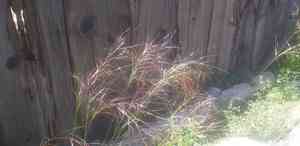
Feather grass (Stipa krylovii)
Also known as: Krylov's feather grass
*Stipa krylovii*, commonly known as feather grass, is a key grass species in semiarid Mongolian grasslands. This perennial plant plays a crucial role as forage for numerous grazing mammals. However, its populations are significantly declining due to overgrazing and poor land management practices.
In This Article
Attributes of Feather grass
Lifespan
Perennial
Plant Type
Grass
Plant Height
30-60 cm
Spread
Varies depending on growth conditions, generally forming tussocks of up to 30 cm wide
Leaf Color
Green to gray-green
Flower Size
The flower itself is small, but the entire inflorescence can be several centimeters long
Flower Color
Greenish turning to straw-colored as it matures
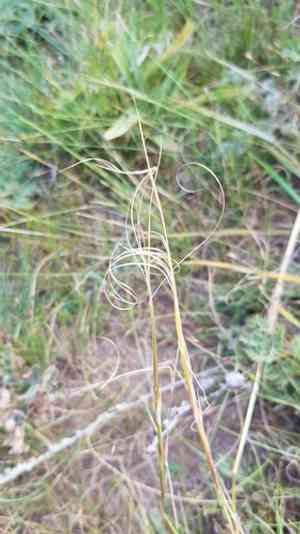
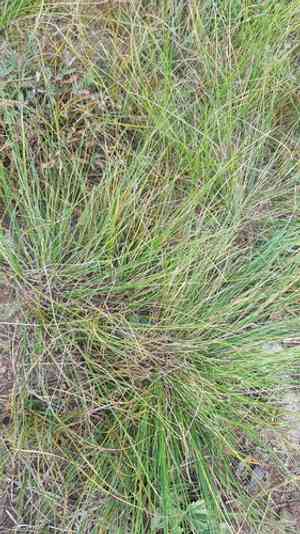
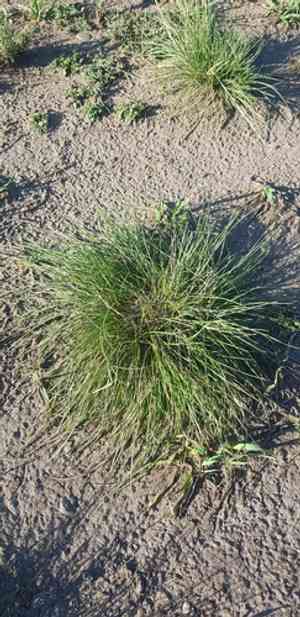
Images of Feather grass
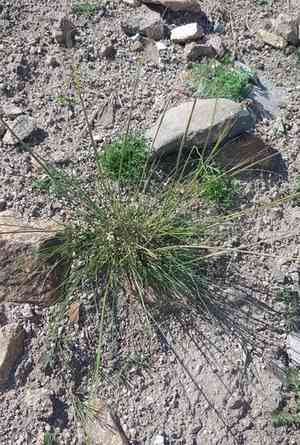
Quickly Identify Feather grass
1
To identify Stipa krylovii, look for its characteristic long, silky awns which can be up to 10 cm long. The leaves are narrow, long, and thread-like, often rolled inwards. The plant forms dense tussocks and has a deep root system.
Scientific Classification of Feather grass
Phylum
Vascular plants
Class
Monocotyledons
Order
Poales
Family
Grass
Genus
Needle grass
Species
Feather grass
Planting and Growing of Feather grass
Care Difficulty
Easy
Watering Schedule
Every 2 days
Sunlight Requirements
Full sun
Sunshine Duration
6-12 hours
Ideal Temperature
60-75℉
Soil Type
Potting Mix, Peat Mix
Soil pH
6.5-7.5
Fertilizer Type
Balanced
Pruning Season
Spring, Summer
Pruning Area
Branches, Leaves
Pruning Frequency
2 times a year
Repotting Season
Spring
Pot Type
Plastic, Ceramic
 How to Water Feather grass?
For Stipa krylovii, water with approximately 500 milliliters at each session. Ensure the soil is thoroughly moistened, yet do not allow water to pool. The plant thrives best when the soil is kept on the drier side between waterings, mimicking its natural environment.
What are the symptoms of an underwatered Feather grass?
›
What should I do if my Feather grass is not getting enough water?
›
What are the symptoms of an overwatered Feather grass?
›
How to save an overwatered Feather grass?
›
 What Are the Sunlight Requirements for Feather grass?
Stipa krylovii thrives under full sun exposure, receiving sunlight from dawn till late afternoon. Ideal light conditions promote vigorous growth, enhanced photosynthesis, and natural pest resistance.
What is the preferred sunlight exposure for Stipa krylovii?
›
How can one ensure Stipa krylovii gets ideal sunlight?
›
What are the benefits if Stipa krylovii receives ideal sunlight?
›
 What Is the Ideal Temperature Range for Feather grass?
Stipa krylovii thrives best within a temperature range of 60°F to 75°F. This range ensures optimal metabolic functions and growth, as these temperatures mimic the natural conditions found in its native habitats. During the growing season, maintaining this temperature range supports robust foliage development and root growth.
 What Soil is Best for Feather grass?
Stipa krylovii thrives in soil that allows water to percolate quickly to prevent waterlogging. This helps the plant avoid root rot and maintain a healthy root system, crucial for its growth in natural grassland habitats. It is well adapted to nutrient-poor soils, a feature that enables it to outcompete other species in such environments. This trait ensures that it can thrive and sustain itself with minimal fertilizer inputs. While Stipa krylovii can adapt to slightly dry conditions, it prefers soils with moderate moisture. Maintaining the right moisture balance is key to promoting vigorous growth and prevents the plant from dehydration stress.
 How to Fertilize Feather grass?
For Stipa krylovii, it's crucial to use a balanced fertilizer at one-quarter strength. Avoid overly concentrated solutions, as this grass species is accustomed to nutrient-poor soils and requires minimal fertilization to thrive.
 How to Prune Feather grass?
In early spring, remove all dead and damaged stems to make room for new growth. Cut back the plant to about 2-3 inches above the ground to stimulate fresh shoots and maintain a neat appearance. During summer, regularly clip off any spent flower heads and dry leaves to keep the plant tidy and prevent seed dispersal. This will also channel the plant's energy into producing vibrant foliage.
More About Pruning Techniques→
 How to Propagate Feather grass plant?
1
Collect mature seeds from the plant's seed heads during the late summer or early autumn. Clean them thoroughly to remove debris and husks, ensuring that only viable seeds are used for propagation.
2
Fill a seed tray with a well-draining seed-starting mix. Sow the seeds on the surface, and lightly cover them with a thin layer of soil. Water gently to avoid dislodging the seeds and provide consistent moisture for germination.
3
During early spring, carefully dig up the plant and remove excess soil. Use a sharp spade or knife to divide the root clumps into smaller sections, ensuring each has viable roots. Replant the divisions immediately in well-prepared soil.
 How to Repot Feather grass plant?
1
It is ideal to repot Stipa krylovii when you notice roots beginning to crowd and grow out of the drainage holes or when its growth seems stunted. Early spring or early autumn is an excellent time as the plant can recover easily with moderate temperatures. Keep an eye for yellowing leaves and a general lack of vigor, indicating that the plant needs more space to flourish.
2
Select a pot that is slightly larger than the current one, offering just enough room for growth without overwhelming the roots. Choose a pot with drainage holes to prevent waterlogging. Terracotta or clay pots are preferred as they allow better air exchange and help maintain the soil structure. Having a pot that maintains its shape and provides lots of airflow is crucial for the health of Stipa krylovii.
3
Opt for well-draining sandy loam soil to ensure proper drainage and aeration. A soil mix that mimics its natural habitat will provide stability and nutrients. Light and airy soil prevents root rot and allows for optimal growth while maintaining moisture efficiently.



