How to Transplant Grass-like starwort?
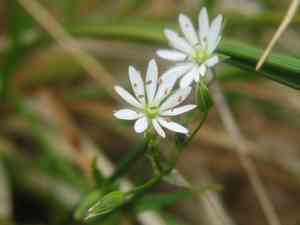
The optimal period for relocating grass-like starwort spans from the conclusion of winter's freeze to the height of spring's development, guaranteeing vigorous rooting. Select a location offering filtered illumination, damp earth, and moderate shade. Advice: careful manipulation encourages root health after moving.
Essential Preparations Before Relocating Grass-like Starwort?
Optimal Period for Moving Grass-like Starwort?
The prime time for transplanting grass-like starwort is in early spring, as the ground begins to warm. This timeframe ensures roots can establish themselves under favorable conditions. Utilizing the mild temperatures and increasing daylight of early to mid-spring is perfect for encouraging robust growth and minimizing transplant shock. This timing also allows grass-like starwort to settle before summer's heat, benefiting from gentle seasonal rains that nourish young roots, easing its transition and boosting its resilience. A friendly reminder: aligning grass-like starwort with spring's natural rhythms promotes a flourishing garden!
Recommended Spacing Between Grass-like Starwort Plants?
For your grass-like starwort, aim for a comfortable distance of approximately 4-6 inches (10-15 cm) between plants. This provides each plant ample room to flourish without feeling crowded!
Best Soil Blend for Grass-like Starwort Transplantation?
Grass-like starwort thrives in well-drained soil enriched with a bit of compost as a foundational fertilizer. Consider it a cozy bed with a nourishing breakfast for your green companion!
Ideal Location for Your Grass-like Starwort?
Select a sunny spot for your grass-like starwort, with some partial shade to offer a brief respite from the afternoon sun. This will ensure your plant remains both content and vigorous!
Tools Required Before Transplanting Grass-like Starwort?
Trowel
For precise digging and transplanting the (N).
Gardening Fork
To gently loosen soil around the root ball when removing the plant from a pot or the ground.
Watering Can or Hose with Spray Nozzle
To hydrate the (N) before and after transplanting, reducing shock.
Gardening Gloves
To safeguard your hands while handling soil and plants.
Wheelbarrow or Plant Pot
To move the plant and soil without harming the root system.
Measuring Tape
For accurate plant spacing if you're transplanting multiple specimens.
Pruning Shears
To carefully trim any damaged roots or foliage.
How to Extract Grass-like Starwort from the Soil?
How to Extract Grass-like Starwort from the Soil?
From Ground: Water the (N) to moisten the surrounding soil. Then, use a gardening fork to loosen the soil and carefully lift out the root ball, preserving as many roots as possible. From Pot: Turn the pot sideways, tap the bottom, and gently ease the (N) out while supporting the plant with your other hand. Be sure to protect the root ball during this process. From Seedling Tray: Use a trowel or your fingers to carefully lift the (N) out of its cell, taking care not to damage the delicate roots and stem.
Step-by-Step Guide for Transplanting Grass-like Starwort
Preparation
Prepare the new planting site by loosening the soil and removing any weeds, then lightly moisten the soil.
Digging Hole
Excavate a hole that is twice as wide and the same depth as the (N)'s root ball to allow ample space for root expansion.
Placing (N)
Position the (N) in the center of the hole, ensuring it sits at the same level it was previously growing.
Refilling Hole
Gently backfill the hole with soil, periodically patting it down to eliminate air pockets without over-compacting the soil.
Watering
Thoroughly water around the base of the (N) to settle the soil and hydrate the roots.
Supporting
If the (N) is tall or top-heavy, consider staking it to provide support until it establishes and can withstand wind.
Post-Transplantation Care for Grass-like Starwort?
Monitoring
Check the (N) daily to observe its adjustment to the new location and ensure the soil remains moist, especially during the first week after transplant.
Mulching
Apply a layer of organic mulch around the base of the (N) to retain soil moisture and regulate soil temperature.
Pruning
Trim any damaged or dead leaves to redirect the (N)'s energy towards developing strong roots and new growth.
Protection
In extreme weather conditions like strong winds or heavy rain, provide temporary shields or covers to safeguard the (N).
Resolving Common Issues with Grass-like Starwort Transplantation.
When is the best time to transplant grass-like starwort?
Transplant grass-like starwort during early to mid-spring for optimal growth and root establishment.
How much space does grass-like starwort need when transplanting?
Allow 4-6 inches (10-15 cm) between grass-like starwort to ensure they have room to flourish.
What's crucial for grass-like starwort root health during transplanting?
Ensure the root ball remains intact and moist during the process to promote healthy growth.
Why is my grass-like starwort wilting after transplanting?
Wilting may indicate stress; ensure it's properly watered and initially shaded from intense sun.
How deep should I plant grass-like starwort when transplanting?
Transplant grass-like starwort at the same depth it grew previously, without burying the crown too deeply.
Can I transplant grass-like starwort during the fall?
Transplanting in fall is less ideal; springtime offers grass-like starwort a better chance to establish.
What type of soil conditions does grass-like starwort require?
Well-draining soil rich in organic matter is perfect for grass-like starwort to thrive after transplanting.
How do I prepare the planting site for grass-like starwort?
Loosen the soil to a depth of 8-10 inches (20-25 cm) and mix in compost before planting.
Why are my transplanted grass-like starwort not growing?
Check for proper planting depth, soil conditions, and adequate water and sunlight exposure.
Is it normal for grass-like starwort to look limp after transplanting?
Limpness can be normal as grass-like starwort adjusts. Keep the soil moist and provide shade if it's very sunny.



