The Grass-like starwort Plant Advantage: Maximizing Home and Office Appeal and Wellness
1
Grass-like starwort improves ground richness and stops soil loss.
2
Its small blooms draw in beneficial insects, increasing ecological variety.
3
Grass-like starwort requires minimal upkeep, perfect for novice plant enthusiasts.
What Defines Grass-like Starwort?
Versatility in Soil Types
Grass-like starwort exhibits remarkable flexibility across various soil compositions, making it a suitable choice for diverse garden settings. Whether your soil is sandy, clayey, or loamy, this plant can flourish, ensuring successful gardening endeavors.
Aesthetic Charm and Visual Impact
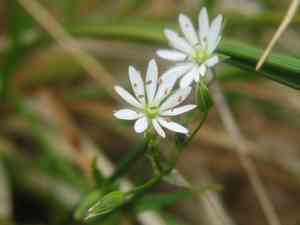
The delicate blossoms and grassy appearance of Grass-like starwort lend an elegant touch to any garden. With its slender stems and star-shaped blooms, it not only boosts visual appeal but also complements various garden styles, from rustic to contemporary designs.
How Does Grass-like Starwort Benefit the Environment?
Attracting Beneficial Insects
A key advantage of Grass-like starwort is its capacity to draw in pollinators like bees and butterflies. Its flowers offer a crucial source of nectar and pollen, supporting the vitality and diversity of local pollinator populations. This aids in the plant's own reproduction and benefits other garden flora.
Preventing Soil Loss
The robust root system of Grass-like starwort plays a vital role in preventing soil erosion. By anchoring the soil and enhancing its structure, this plant helps maintain soil integrity, reducing the likelihood of erosion during heavy rainfall and strong winds.
Why Is Grass-like Starwort Ideal for Eco-Friendly Gardening?
Minimal Water Needs
In an era where water conservation is increasingly vital, Grass-like starwort excels with its low water requirements. Once established, it can thrive with infrequent watering, making it an environmentally conscious option for sustainable gardening practices.
Improving Soil Health
Grass-like starwort contributes to soil fertility by adding organic matter as it grows and decomposes. This natural process enriches the soil, boosting its nutrient content and benefiting nearby plants.
How to Integrate Grass-like Starwort into Your Garden?
Planting and Maintenance Guidelines
Incorporating Grass-like starwort into your garden is quite simple. Start by choosing a well-drained spot with ample sunlight. Plant seeds or young plants in early spring or fall, ensuring proper spacing for growth. Water lightly after planting, then reduce frequency as they establish.
Optimal Companion Plants for Grass-like Starwort
Grass-like starwort pairs well with various other plants, especially those with similar growth needs. Consider planting it alongside other low-maintenance perennials and native wildflowers to create a harmonious and biodiverse garden. Its ability to attract pollinators also makes it an excellent partner for fruit and vegetable plants.
What Pest and Disease Management Does Grass-like Starwort Require?
Natural Pest Resistance
Grass-like starwort is known for its inherent resistance to many common garden pests. This makes it an easy-to-care-for plant requiring minimal intervention. However, routine garden sanitation and observation are still advised to ensure its well-being.
Addressing Common Problems
While Grass-like starwort is relatively disease-resistant, it's not entirely immune. Watch for signs of fungal infections or leaf spots, and treat them promptly with organic fungicides or by removing affected foliage to prevent spreading.



