How to Transplant Bumald bladdernut?
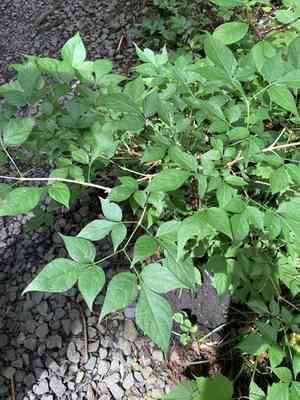
The most favorable period for relocating bumald bladdernut is at the onset of spring, providing ideal temperatures for root development. Select a site featuring soil that drains effectively, with exposure ranging from partial shade to full sunlight. Carefully assist bumald bladdernut in adapting to its new environment for a smooth adjustment.
Preparations Required Before Relocating Bumald Bladdernut
Optimal Period for Transplanting Bumald Bladdernut
The best time to move bumald bladdernut is during the lively start to mid-spring. At this point, the soil is revitalizing, which promotes root establishment and lessens transplant shock. Choosing this season for the task guarantees your bumald bladdernut will have sufficient time to adjust and flourish before the summer heat. There's a subtle beauty in aligning with nature's rhythm when transplanting, as milder temperatures and spring rains naturally nourish the newly settled bumald bladdernut, promising a vigorous growth period ahead.
Recommended Spacing Between Bumald Bladdernut Plants
You should ideally allow about 4-6 feet (1.2-1.8 meters) of distance between bumald bladdernut plants when transplanting. This provides them ample room to grow and thrive. Remember, more space generally leads to healthier plants!
Ideal Soil Blend for Bumald Bladdernut Transplantation
The bumald bladdernut plant prefers soil that drains well and has a generous amount of compost or organic material. Prepare the soil by incorporating a slow-release granular base fertilizer to supply the necessary nutrients. Keep in mind, a well-nourished plant is a happy plant!
Selecting a New Location for Your Bumald Bladdernut
When choosing a site for your bumald bladdernut plant, remember it requires full sun to partial shade. Therefore, seek out a spot that receives ample sunlight during the day but is shaded in the afternoon. Sunlight is crucial for their development!
Equipment Needed Before Transplanting Bumald Bladdernut
Gardening Gloves
Protects your hands from thorns and cuts while working with the soil and plant material.
Trowel
This small hand tool is perfect for digging around the plant in its current container and helps remove the bumald bladdernut without excessive damage.
Shovel
This will be used to excavate the hole in the ground for transplanting the bumald bladdernut.
Watering Can
You will need this to hydrate the plant before and after its relocation.
Gardening Pruners
For trimming off dead or dying leaves or branches after the transplant.
Wheelbarrow or Garden Cart
Useful for transporting the potted bumald bladdernut from one spot to another. This is especially necessary if the plant is large.
Mulch
This is vital for the bumald bladdernut as it helps retain soil moisture after transplanting.
Tape Measure
To ensure correct spacing between plants if planning to plant multiple bumald bladdernut.
Method for Extracting Bumald Bladdernut from Soil
How to Remove Bumald Bladdernut from the Soil
From Ground: Initially, thoroughly water the bumald bladdernut plant several hours before beginning the process. This will moisten the soil, making it easier to extract. Then, use a shovel to dig a wide trench around the plant, going deep enough to keep the plant's root ball intact. Carefully lift the plant from its original spot, ensuring not to sever the main roots.From Pot: First, water the bumald bladdernut plant thoroughly to loosen the soil. Next, lay the pot on its side and gently pull the plant out. Avoid pulling by the stems or leaves as they might break. Tilt the pot as needed, or roll it lightly on the ground. This will loosen the potting soil and roots, making it easier to remove the plant.From Seedling Tray: The bumald bladdernut plant should ideally be at least 3-4 inches tall before being moved from a seedling tray. Use a trowel to gently scoop out each seedling along with its root ball. Be careful not to harm the roots or stems during this process.
Step-by-Step Guide for Transplanting Bumald Bladdernut
Prepare the Site
Dig a hole that is sufficiently deep and wide to accommodate the root ball of the bumald bladdernut. The hole should be three times as wide as the root ball and equally deep.
Inspect the bumald bladdernut's Roots
Before placing the bumald bladdernut in the hole, carefully examine its roots. If they are tightly coiled or showing a girdling pattern, gently untangle them.
Planting
Position the bumald bladdernut in the center of the hole, ensuring the top of the root ball is level with the ground. Backfill the hole with original soil or a mixture of original soil and compost.
Watering
Once the bumald bladdernut is planted, water it thoroughly to settle the soil around the roots. Over the next few days, monitor the moisture level of the soil around the bumald bladdernut and water as needed. It should be moist, but not waterlogged.
Mulching
Apply a layer of mulch around the base of the bumald bladdernut to help retain moisture and suppress weeds. However, keep the mulch a few inches away from the plant's stem to prevent rot.
Post-Transplant Care for Bumald Bladdernut
Watering
Keep the soil around the bumald bladdernut consistently moist but not saturated. Overwatering can lead to root rot and other diseases, while insufficient watering can stress the plant. Regular watering is more crucial during the initial weeks after transplanting as the plant works to establish its roots.
Pruning
Trim off any dead or dying leaves or branches after transplanting. This not only improves the appearance of the bumald bladdernut but also helps the plant direct its energy towards new growth.
Monitoring
Regularly observe the bumald bladdernut for signs of transplant shock, such as wilting, yellowing, or leaf drop, and take appropriate action.
Addressing Common Issues with Bumald Bladdernut Transplantation.
When is the ideal time to transplant the bumald bladdernut?
The best time to transplant the bumald bladdernut is during the S1-S2 season, when conditions are optimal for root development.
What is the ideal space between the bumald bladdernut plants?
Ensure you are giving bumald bladdernut a generous amount of space. Around 4 to 6 feet (about 1.2 to 1.8 meters) between each plant works best.
Are there any special conditions the bumald bladdernut needs after the transplant?
Bumald bladdernut plants don't require special care post-transplant. However, keep them well-hydrated until they establish themselves in the new location.
What pre-transplant preparation is required for the bumald bladdernut plant?
Before transplanting, prep the bumald bladdernut by watering it well. This will ensure the soil and roots are moist, aiding smoother transplantation.
How deep should the hole be to transplant the bumald bladdernut plant?
Dig the hole just deep enough to cover the root ball of the bumald bladdernut plant, around 10 inches (around 25 cm), to ensure strong rooting.
How should you handle the bumald bladdernut plant during transplant?
Handle the bumald bladdernut plant gently during transplant. Disturb its root as little as possible, and try not to leave the roots exposed.
What to do if the bumald bladdernut shows signs of disease after transplanting?
If the bumald bladdernut shows signs of disease post-transplant, isolate it. Ensure it's well-watered and monitor closely. Consult an expert if conditions don't improve.
Do bumald bladdernut plants need fertilizer after being transplanted?
Yes, a controlled-released fertilizer can aid the bumald bladdernut's establishment post-transplant. However, too much can harm the plant, so use judiciously.
What to do if the bumald bladdernut isn't growing as expected after transplanting?
If the bumald bladdernut isn't thriving as expected, ensure it's getting enough water and sunlight. Not too much, not too little. If still struggling, consult an expert.
What's the common mistake to avoid while transplanting the bumald bladdernut?
A common mistake is planting the bumald bladdernut too deeply. Ensure the root collar is level with or slightly above the surface of the soil.



