How to Prune Bumald bladdernut?
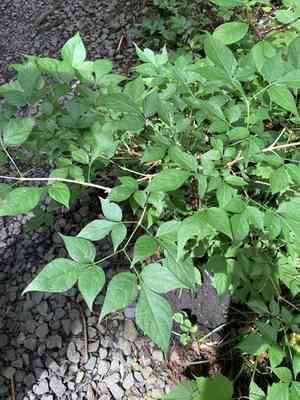
The distinctive capsule-shaped fruits of bumald bladdernut thrive with appropriate care. Perform pruning from late spring to early summer, following the blooming period, to foster its form and control its dimensions. Eliminate any deceased or fractured branches and reduce dense sections to improve air movement. This schedule enables the plant to recover prior to its dormant phase, boosting its vigor and encouraging vigorous development in the subsequent year. Trimming also contributes to a neat look and deters illnesses.
Advantages of Trimming Bumald Bladdernut
What Are the Benefits of Pruning Bumald Bladdernut?
Trimming bumald bladdernut encourages flowering, eliminates diseased, dead, or damaged branches, thereby decreasing its vulnerability to pests and illnesses. This upkeep boosts bumald bladdernut's development and aesthetic appeal.
Optimal Time for Pruning Bumald Bladdernut
What Is the Best Time for Pruning Bumald Bladdernut?
The ideal periods for pruning bumald bladdernut are late spring and early summer. These times are perfect due to several aspects of the plant's growth cycle. After winter, bumald bladdernut will have just finished its dormant phase, making late spring the opportune moment to remove any dead or compromised branches without harming new growth. Additionally, pruning in late spring aligns with the pre-growth period, ensuring the plant has ample time to recover before its main growth phase. Early summer is also suitable as it allows gardeners to shape the plant and manage its size following the initial spring growth spurt. During this time, it's easier to identify and remove any undesirable or weak growth that may have occurred. Pruning during this interval does not impact flowering since bumald bladdernut typically blooms in early spring. Thus, both seasons ensure the plant's overall health while preserving its decorative value.
Tools Required for Pruning Bumald Bladdernut
Bypass Pruners
Crucial for making clean cuts on smaller stems and branches of bumald bladdernut. The bypass blade design ensures a precise cut without crushing plant tissues, promoting better healing.
Lopping Shears
Perfect for cutting through thicker branches that bypass pruners cannot manage. The extended handles provide leverage for easier and more accurate work.
Pruning Saw
Essential for removing large branches from bumald bladdernut. A pruning saw helps cut through thick wood without harming the plant's structure.
Pole Pruner
Useful for reaching and safely cutting higher branches on bumald bladdernut. This tool often eliminates the need for a ladder, making pruning safer.
Hedge Shears
Suitable for shaping bumald bladdernut if it is grown as a hedge. They allow for simultaneous cutting of multiple small stems, creating a uniform hedge appearance.
How to Prune Bumald Bladdernut
Clean and sharpen tools
Ensure all pruning tools are clean and sharp to prevent disease spread and to make precise cuts that bumald bladdernut can heal more effectively.
Sanitize tools
Before starting and after cutting diseased material, disinfect pruning tools with a solution of one part bleach to nine parts water to prevent pathogen transmission to healthy parts of bumald bladdernut.
Remove diseased material
Carefully remove all diseased leaves and branches from bumald bladdernut by cutting at the base of the affected area, being careful not to damage nearby healthy tissue.
Thin excessive growth
Reduce overly dense branches to improve light penetration and air circulation within the canopy of bumald bladdernut, cutting back to a healthy lateral branch or bud.
Cut back dead material
Trim any dead branches, withered leaves, and spent flowers to the nearest healthy wood, using an angled cut to encourage water runoff and prevent disease in bumald bladdernut.
Common Pruning Errors with Bumald Bladdernut
Over-pruning
Removing too much of bumald bladdernut at once can compromise its structural integrity and hinder its ability to thrive. Taking off more than one-third of the plant can cause stress and potentially stunt its growth.
Improper cut placement
Incorrect cutting, such as too close or too far from a node, can lead to poor regrowth or disease entry. Cuts should be made just above a node where leaves emerge.
Using dull tools
Dull pruning tools can create jagged cuts, which are more prone to disease and can damage the plant's vascular system. Always use clean, sharp tools for precise cuts.
Neglecting deadwood
Failing to remove deadwood can attract pests and diseases, which can spread to healthy parts of bumald bladdernut. It's crucial to regularly remove dead or diseased branches.
General Pruning Advice for Bumald Bladdernut
Selective thinning
Focus on selective thinning of bumald bladdernut to maintain an open structure that allows light and air to penetrate, promoting healthier growth and reducing disease pressure.
Monitor plant shape
Continuous monitoring and pruning to maintain the desired shape will help bumald bladdernut develop a strong framework, preventing future problems and minimizing the need for heavy pruning.
Encourage flowering
To encourage flowering, prune bumald bladdernut's branches that have already flowered. This will stimulate the growth of new flowering shoots.
Rejuvenation pruning
For older bumald bladdernut, rejuvenation pruning may be necessary to reinvigorate growth. Remove older stems to ground level to allow vigorous young stems to grow and take their place.



