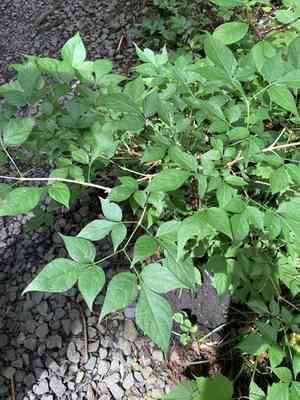
Bumald bladdernut (Staphylea bumalda)
Also known as: Japanese Bladdernut
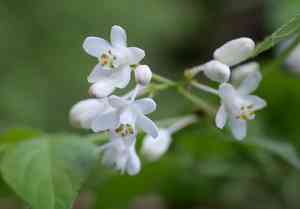
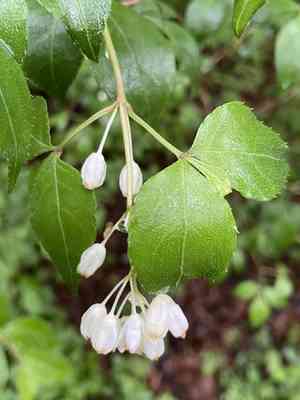
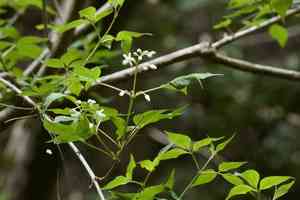
The plant features compound leaves, typically with leaflets grouped in sets of five. It produces conical clusters of flowers at the branch tips from spring to summer. The flowers, which are not fully open, have white petals and sepals, each in sets of five. The fruit is flat and sharply pointed. Additionally, the stem of the plant is hollow, similar to an eel.
In This Article
Attributes of Bumald bladdernut
Lifespan
Perennial
Plant Type
Shrub
Plant Height
1.8 m to 2.5 m
Spread
1.2 m to 1.8 m
Leaf Color
Green
Flower Size
Approximately 1 to 2 cm
Flower Color
White Pink
Images of Bumald bladdernut
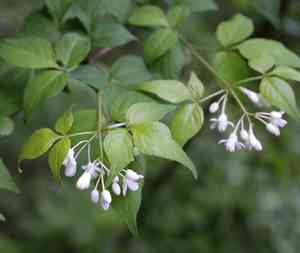
Quickly Identify Bumald bladdernut
1
Multistemmed, suckering growth habit.
2
Distinct elliptic to lance-shaped leaflets with hairy, lighter undersides.
3
Reddish panicles of small, mildly fragrant blooms.
4
Bladder-like seed capsules transitioning from green to brown.
5
Smooth stems measuring around 0.5 inches (1.27 cm) in diameter.
Scientific Classification of Bumald bladdernut
Phylum
Vascular plants
Class
Dicotyledons
Order
Crabapple bushes, bladdernuts, and allies
Family
Bladdernut
Genus
Bladdernuts
Species
Bumald bladdernut
Planting and Growing of Bumald bladdernut
Care Difficulty
Easy
Watering Schedule
Every 4 days
Sunlight Requirements
Partial sun
Sunshine Duration
4-6 hours
Ideal Temperature
60-75℉
Soil Type
Potting Mix, Peat Mix
Soil pH
6.5-7.5
Fertilizer Type
Balanced
Pruning Season
Spring, Summer
Pruning Area
Branches, Leaves
Pruning Frequency
2 times a year
Repotting Season
Spring
Pot Type
Plastic, Ceramic
 How to Water Bumald bladdernut?
For Staphylea bumalda, it's essential to maintain moist but not waterlogged soil. Generally, providing about 500 milliliters of water should ensure that moisture reaches the deep roots without causing potential harm from excess water accumulation.
What are the symptoms of an underwatered Bumald bladdernut?
›
What should I do if my Bumald bladdernut is not getting enough water?
›
What are the symptoms of an overwatered Bumald bladdernut?
›
How to save an overwatered Bumald bladdernut?
›
 What Are the Sunlight Requirements for Bumald bladdernut?
Staphylea bumalda thrives best with partial to full sun exposure, receiving between four to six hours of light. Adequate sunlight supports vigorous growth, vibrant leaf color, and prolific flowering, playing a pivotal role in its development.
More About Sunlight Requirements Techniques→
What is the perfect lighting for Staphylea bumalda?
›
How to ensure Staphylea bumalda gets ideal light?
›
What benefits does ideal lighting provide?
›
 What Is the Ideal Temperature Range for Bumald bladdernut?
The ideal temperature range for Staphylea bumalda cultivation is between 60 and 75°F. Within this range, the plant can achieve optimal growth and development, benefiting from the temperate conditions. This temperature range supports the physiological processes such as photosynthesis, transpiration, and nutrient uptake, which contribute to robust growth and flowering. Providing consistent temperatures within this range helps mimic the plant's natural habitat, ensuring an environment where it can thrive comfortably.
 What Soil is Best for Bumald bladdernut?
Staphylea bumalda thrives in well-drained soils, which help prevent waterlogging that can lead to root rot. A well-draining soil ensures that the plant's roots receive the right amount of air, promoting robust growth and healthy blooms. This plant prefers soils rich in organic matter such as decomposed leaves or compost. Organic matter improves soil fertility and texture, enhancing water retention while providing essential nutrients for better growth. Staphylea bumalda requires a moderate level of soil moisture. Maintaining this balance is crucial as it prevents stress on the plant, ensuring vigorous flowering and healthy foliage.
 How to Fertilize Bumald bladdernut?
Staphylea bumalda requires a balanced approach to fertilization. Use 1 tablespoon of liquid fertilizer per gallon of water for each application. For slow-release fertilizer, apply 2 tablespoons per plant in the spring and fall.
 How to Prune Bumald bladdernut?
When pruning Staphylea bumalda, start by using sharp and sterilized pruning shears to remove any dead or damaged branches, cutting back to healthy, living wood. Next, thin out the interior of the shrub by cutting out older, less productive stems at ground level, which encourages the growth of new and vigorous shoots. Shape the shrub by cutting back overgrown branches to maintain its natural form. Always make precise cuts just above a leaf bud to promote healthy regrowth. After pruning, step back to evaluate your work and ensure the shrub maintains a balanced silhouette.
More About Pruning Techniques→
 How to Propagate Bumald bladdernut plant?
1
Begin by collecting seeds from mature Staphylea bumalda plants. Clean and dry the seeds thoroughly, and store them in a cool, dry place until you're ready to plant.
2
Use sterilized pruning shears to take cuttings that are approximately 10-15 cm long from healthy branches. Ensure the cuttings have at least two nodes.
3
Select a low branch, wound the bark slightly, and bend it to the soil level. Cover it with soil, and secure with a pin. Roots should develop over the following weeks.
 How to Repot Bumald bladdernut plant?
1
Staphylea bumalda shows signs of needing repotting when roots start creeping out of the drainage holes or the plant's growth becomes stagnant despite consistent care. These indicators suggest that the plant is becoming root-bound and requires more space to thrive.
2
Select a pot that is just one size larger than the current one, ensuring adequate growth without overwhelming the plant. A pot with drainage holes is vital to prevent waterlogging, which can damage roots and lead to rot.
3
Opt for a well-draining loamy mix that supports moisture retention while allowing excess water to escape. This balance ensures that the plant's roots have access to necessary moisture without risking root rot due to water accumulation.
Learn More About Bumald bladdernut Diseases
Anthracnose
Bacterial Leaf Spot
Crown Gall
Damping-off
Downy Mildew
Drought Stress
Fusarium Wilt
Gray Mold
Leaf Curl
Leaf Spot
Mosaic
Nutrient Deficiency
Nutrient Toxicity
Powdery Mildew
Root Rot
Root-knot Nematode
Rusts
Sooty Mold
Spider Mites
Temperature Stress
Thrips Damage
White Mold
Chemical Injury



