How to Transplant Marsh woundwort?
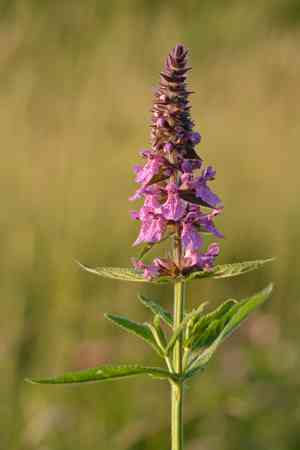
The optimal period for relocating marsh woundwort is during the mild conditions of late spring through early summer, allowing its root system to establish prior to colder weather. Choose locations that are damp and partially shaded, and to ensure a successful transfer, provide soil with good drainage and handle the roots with care.
What Preparations are Needed Before Transplanting Marsh Woundwort?
What is the Ideal Time for Transplanting Marsh Woundwort?
Choose the vibrant period from mid-spring to late spring, or the beginning of early summer, for relocating marsh woundwort. This timeframe offers milder weather, which is vital for the delicate root systems of marsh woundwort, promoting better adaptation and minimizing transplant shock. Moving marsh woundwort during this window fosters vigorous development as plants benefit from the entire upcoming growing season, leading to a stronger, healthier stand ready to flourish.
How Much Space Should You Leave Between Marsh Woundwort Plants?
For our cherished marsh woundwort, ensure ample room for development. Each plant should be positioned approximately 1-2 feet (30-60 cm) apart. This guarantees sufficient area for them to grow and thrive.
What is the Best Soil Mix for Marsh Woundwort Transplanting?
To ensure marsh woundwort flourishes, prepare a soil mixture that drains effectively. It can withstand various soil types but favors rich, humus-filled ones. For a successful start, incorporate a balanced, slow-release fertilizer as the foundational nutrient source.
Where Should You Relocate Your Marsh Woundwort?
Regarding its placement, marsh woundwort thrives in both sun and partial shade. Select a garden spot that receives full sunlight exposure in the morning and some shade during the hottest hours, or vice versa.
What Equipments Should You Prepare Before Transplantation Marsh Woundwort?
Spade/Shovel
This tool is necessary for excavating the plant from its initial spot and preparing the new transplantation site.
Gardening Gloves
To safeguard your hands while handling the soil and the roots of marsh woundwort.
Tarp or Plastic Sheet
Useful for moving the plant and its surrounding soil from its original location to the new one without creating a mess.
Watering Can
Needed to moisten the soil both before and after extracting and planting the marsh woundwort.
How Do You Remove Marsh Woundwort from the Soil?
How Do You Remove Marsh Woundwort from the Soil?
From Ground: Start by hydrating the marsh woundwort plant to moisten the soil. Once the soil is adequately damp, dig a trench around the plant using your spade, ensuring the root ball of the marsh woundwort remains intact. Carefully slide your spade beneath the root ball to lift the plant, then place it on your tarp or plastic sheet for transportation.From Pot: If the marsh woundwort (which you intend to transplant) is already in a container, begin the removal process by watering the plant and tilting the pot to slide out the marsh woundwort and its root ball. Be sure to handle the plant gently to prevent damage.From Seedling Tray: If marsh woundwort is in a seedling tray, water the tray first. Then gently press from the bottom of the tray to push up the individual cell or section where the seedling is growing. Hold the plants by their leaves (not stems) to avoid causing any harm.
Step-by-Step Guide for Transplanting Marsh Woundwort
Preparation
Ensure the new location has adequate space and retains moisture effectively. Dig a hole twice as wide but no deeper than the root ball of marsh woundwort.
Placement
Carefully lift marsh woundwort by its root ball and position it in the hole. The root ball should be level with the soil surface.
Back-filling
Refill the area around marsh woundwort with soil, making sure the plant stands upright. Gently compact the soil around the plant's base.
Water thoroughly
Once planted, water marsh woundwort completely and slowly to prevent washing away the soil around the plant.
How Do You Care For Marsh Woundwort After Transplanting?
Moisture
Keep the soil consistently moist, but avoid waterlogging. Marsh woundwort thrives in damp conditions, and maintaining this is crucial, especially soon after transplantation, so marsh woundwort can establish its roots.
Pruning
Remove any dead or damaged leaves or stems after transplanting. This will help marsh woundwort to direct its energy towards developing new roots and shoots instead of sustaining damaged ones.
Checking
Monitor marsh woundwort for a couple of weeks post-transplant. It may take some time for it to adapt to its new environment. Some wilting is normal, but prolonged wilting could signal a transplant issue.
Feeding
After approximately two weeks, you can provide the marsh woundwort plant with a mild, balanced plant food to encourage growth.
Troubleshooting Common Issues with Marsh Woundwort Transplantation.
When is the best time to transplant marsh woundwort?
The optimal period to transplant marsh woundwort is during the second to fourth season (late spring to early autumn). This allows the plant ample time to recover before the harsh winter conditions.
What's the ideal space to maintain between two marsh woundwort plants when transplanting?
The ideal distance to maintain between two marsh woundwort plants is approximately 1-2 feet (30-60 cm). This ensures they have sufficient room to grow without competing for nutrients.
Why does my transplanted marsh woundwort look wilted, even with regular watering?
Transplant shock might be causing your marsh woundwort to wilt. Maintain consistent watering, avoid excessive sun exposure, and allow it some time to adjust to the new surroundings.
How deep should I dig a hole for transplanting marsh woundwort?
The hole for your marsh woundwort should be both wide and deep enough to comfortably accommodate the root ball. This typically means twice the width and depth of the root system.
What steps can I take to help the marsh woundwort establish after transplanting?
Ensure marsh woundwort is watered correctly and regularly, shield it from pets or pests, and consider using a plant starter solution to promote root development.
What soil type is best for transplanting marsh woundwort?
Marsh woundwort is a resilient perennial that can grow in various soils, but it prefers well-drained, fertile soil for optimal growth.
Can transplanting marsh woundwort in a shaded area help it grow better?
Marsh woundwort can tolerate partial shade; however, it prefers areas with full sunlight for optimal flowering. Too much shade can make the plant susceptible to pests and diseases.
Why are the leaves of my transplanted marsh woundwort turning yellow?
Overwatering, inadequate drainage, or a lack of essential nutrients can lead to yellowing leaves. Also, ensure that marsh woundwort receives sufficient sunlight.
How frequently should I water my transplanted marsh woundwort?
Marsh woundwort enjoys moist soil, but be careful not to overwater. It's best to water it thoroughly and then allow the top 1 inch (2.5 cm) of soil to dry out before watering again.
How can I prevent my marsh woundwort from getting damaged during transplanting?
Be gentle when removing marsh woundwort from its original pot to prevent damaging the root system. Also, transplant during cooler parts of the day to reduce stress on the plant.



