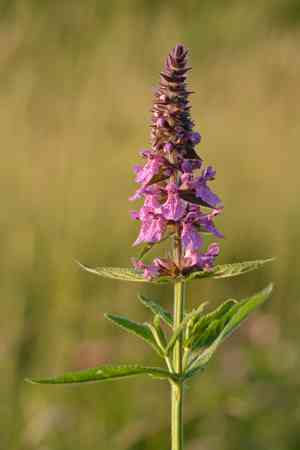
Marsh woundwort (Stachys palustris)
Also known as: Marsh betony, Marsh hedgenettle
Marsh woundwort (Stachys palustris), a perennial herb belonging to the mint family, thrives in marshy, wet environments like riverbanks and ditches. While bumblebees often visit its flowers, aiding in pollination, the plant primarily spreads its seeds through water dispersal. Additionally, its extensive root system helps it establish and spread robustly, often making it a persistent presence in suitable habitats.
In This Article
Attributes of Marsh woundwort
Lifespan
Perennial
Plant Type
Herb
Plant Height
2 m
Spread
1 m
Leaf Color
Green
Flower Size
Approximately 1.5 centimeters
Flower Color
Purple Pink
Images of Marsh woundwort
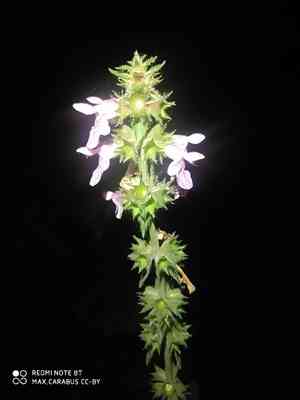
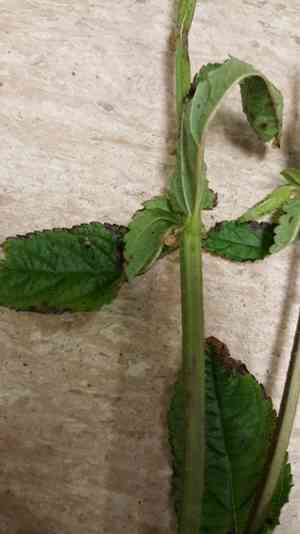
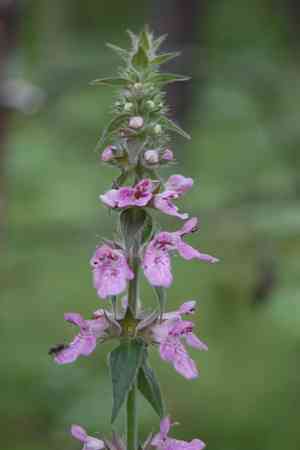
Quickly Identify Marsh woundwort
1
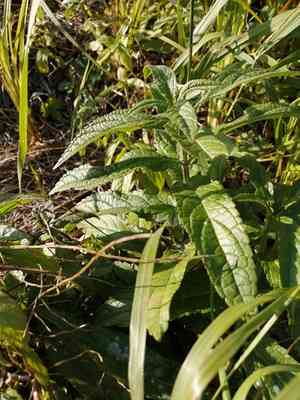
Stachys palustris can be identified by its square stem, opposite leaves, and the whorls of pinkish-purple, tubular flowers. The leaves are lance-shaped with toothed edges and are covered with fine hairs.
Scientific Classification of Marsh woundwort
Phylum
Vascular plants
Class
Dicotyledons
Order
Lamiales
Family
Mint
Genus
Hedgenettle
Species
Marsh woundwort
Planting and Growing of Marsh woundwort
Care Difficulty
Easy
Watering Schedule
Every 4 days
Sunlight Requirements
Full sun
Sunshine Duration
6-10 hours
Ideal Temperature
60-75℉
Soil Type
Potting Mix, Peat Mix
Soil pH
6.5-7.5
Fertilizer Type
Balanced
Pruning Season
Spring, Summer
Pruning Area
Branches, Leaves
Pruning Frequency
2 times a year
Repotting Season
Spring
Pot Type
Plastic, Ceramic
 How to Water Marsh woundwort?
Stachys palustris, known as marsh woundwort, thrives in wet habitats. Each watering should aim to moisten the soil thoroughly without leaving standing water. This means 300 ml per session, ensuring water penetrates deep into the root zone, supporting robust growth without waterlogging.
What are the symptoms of an underwatered Marsh woundwort?
›
What should I do if my Marsh woundwort is not getting enough water?
›
What are the symptoms of an overwatered Marsh woundwort?
›
How to save an overwatered Marsh woundwort?
›
 What Are the Sunlight Requirements for Marsh woundwort?
Ideal for full to partial sun environments, Stachys palustris benefits from 6-8 hours of light daily. This range promotes optimal growth conditions, enhancing health, flower production, and overall plant vitality.
More About Sunlight Requirements Techniques→
What is the ideal lighting for Stachys palustris?
›
How can you ensure optimal lighting for Stachys palustris?
›
What are the benefits of providing ideal lighting to Stachys palustris?
›
 What Is the Ideal Temperature Range for Marsh woundwort?
The ideal temperature range for Stachys palustris is between 60°F and 75°F. This plant thrives in moderately cool to mild conditions, ensuring optimal growth and blooming. Maintaining this temperature range encourages healthy leaf development and vibrant flower production.
 What Soil is Best for Marsh woundwort?
Stachys palustris thrives in soil that retains moisture efficiently. The plant benefits from consistent moisture levels as it mimics its natural wetland habitats, preventing the roots from drying out and ensuring healthy growth. This plant prefers a soil that is rich in organic matter and nutrients. A fertile soil supports robust growth and vibrant foliage, as nutrients are essential for photosynthesis and sustenance. Although Stachys palustris enjoys moisture, it requires well-draining soil to prevent root rot. Proper drainage helps maintain the optimal water balance, protecting the roots from excessive water conditions.
 How to Fertilize Marsh woundwort?
For Stachys palustris, a moderate amount of fertilizer is optimal. This plant thrives with a balanced 10-10-10 NPK fertilizer. Apply liquid fertilizer at approximately half the recommended strength per application to avoid overloading the plant with nutrients.
 How to Prune Marsh woundwort?
It is critically important to ensure that the tools you use for pruning are sterilized. Dirty tools can introduce diseases or pests to the plant, damaging its health. Use a solution of bleach and water or rubbing alcohol to wipe down the blades after each use. Avoid pruning during wet weather conditions. Rain can spread diseases among fresh cuts, so it's best to prune during dry spells. Also, protect yourself with gloves, as the sap may cause skin irritation for some individuals.
 How to Propagate Marsh woundwort plant?
1
Begin by collecting ripe seeds from a mature Stachys palustris plant. Clean the seeds to remove any pulp or debris. Sow them on the surface of a well-draining soil mix in seed trays, keeping them moist until germination.
2
For division propagation, identify a healthy parent plant in early spring. Carefully dig around the root ball and gently lift the plant out of the soil. Shake off excess soil to examine the roots and choose sections with healthy shoots and roots for division.
3
Select a suitable plant for root cutting propagation. Using a clean, sharp knife, cut healthy root sections, each about an inch long. Ensure each cutting has multiple nodes, and plant them horizontally in a moist and sandy soil mix.
 How to Repot Marsh woundwort plant?
1
Stachys palustris should be repotted when you notice roots coming out of the drainage holes or if the plant appears stressed and overgrown in its current pot. This usually indicates that it has outgrown its space and requires a larger container to thrive.
2
Select a pot that is 1-2 inches larger in diameter than the current one. A pot with good drainage is crucial to prevent waterlogging. Larger pots provide more space for root growth, improving plant health and reducing the frequency of repotting.
3
Opt for well-draining garden soil containing organic matter. This soil type supports robust root growth and prevents the risk of root rot, maintaining the plant's overall health and vigor by providing adequate oxygen and moisture retention.
Learn More About Marsh woundwort Diseases
Anthracnose
Bacterial Leaf Spot
Bacterial Soft Rot
Bacterial Wilt
Chemical Injury
Crown Gall
Cyst Nematode
Damping-off
Downy Mildew
Drought Stress
Fusarium Wilt
Gray Mold
Leaf Curl
Leaf Spot
Mosaic
Nutrient Deficiency
Nutrient Toxicity
Powdery Mildew
Root Rot
Root-knot Nematode
Rusts
Sooty Mold
Spider Mites
Temperature Stress
Thrips Damage
White Mold



