How to Propagate Marsh woundwort?
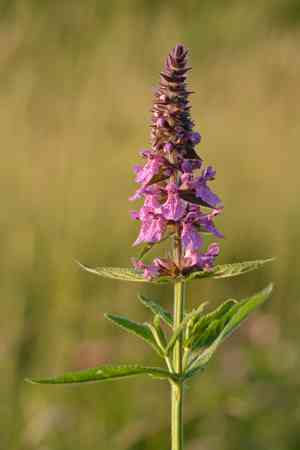
Marsh woundwort flourishes when reproduced via seeding. Cultivators ought to employ a substrate that drains effectively, maintaining its dampness without saturation to encourage robust root formation. Providing sufficient distance between individual seeds will foster prime development by reducing rivalry for nutrients. This technique successfully preserves the unique attributes of marsh woundwort, yielding vigorous specimens that embody the species' features.
Optimal Time for Marsh Woundwort Propagation
Propagation Method
Seeding
Propagation Period
Spring
Tools for Marsh Woundwort Propagation
Seed trays
Seed trays are fundamental for sowing marsh woundwort seeds. They offer a controlled setting vital for consistent seedling development. Their individual compartments allow for even substrate distribution, ensuring each seed has ample and equal opportunity for germination and initial growth. This aids in managing seedlings individually, adjusting moisture and nutrient levels as marsh woundwort requires.
High-quality soil mix
A premium soil blend is crucial for germinating marsh woundwort seeds. Selecting a soil mix that drains well yet retains moisture meets marsh woundwort's hydration needs without causing waterlogging, which can lead to seed and root decay. The mix should also be loose enough for easy root penetration and growth.
Misting bottle
A misting bottle is an essential tool for gently hydrating newly sown marsh woundwort seeds. It ensures seeds receive moisture via a fine spray, preventing forceful water application that could dislodge tiny seeds or harm emerging roots. This tool helps maintain ideal humidity around the seeds, promoting effective germination.
Labels and markers
Using labels and markers during marsh woundwort propagation via seeds helps track growth and variety when performing multiple sowings. This is especially useful for keeping records of germination rates and growth progress, which can help identify the most effective propagation methods for marsh woundwort.
Grow lights (if indoors)
Grow lights can be vital if marsh woundwort is propagated indoors where natural light might be insufficient. These lights provide a spectrum optimized for plant growth, fostering stronger, healthier seedlings by mimicking natural sunlight. This is critical during early development stages when marsh woundwort requires ample light for photosynthesis and to prevent etiolation.
Post-Propagation Care for Marsh Woundwort
Post-Propagation Care for Marsh Woundwort
Following propagation, continue to care for marsh woundwort by maintaining damp soil conditions without over-saturating. Marsh woundwort thrives best in partially shaded areas that mimic its natural marshy environment. Regularly inspect for pests and diseases, particularly during warm, humid seasons. During the active growth period, you may optionally apply a balanced fertilizer to support development, but avoid excessive fertilization to prevent abundant leaf growth at the expense of the plant's overall health.
Common Errors to Avoid When Propagating Marsh Woundwort
Overwatering
Watering marsh woundwort too often can lead to root rot, especially since this species prefers moist but well-drained soils. Excessive moisture can suffocate the roots, diminishing the plant's ability to absorb nutrients and making it more vulnerable to diseases.
Deep planting
Planting marsh woundwort too deeply during propagation can cause stem cuttings or roots to decay before they establish. The plant's crown should be just at or slightly below the soil surface to ensure optimal growth conditions.
Neglecting humidity
Ignoring marsh woundwort's humidity requirements can impede root development in new propagations. This species thrives in a humid environment; low humidity can slow rooting or lead to desiccation of the cuttings.
Tips for Propagating Marsh Woundwort
Use of sterile equipment
Ensuring all cutting tools and pots are sterilized before use helps prevent disease transmission to marsh woundwort, promoting healthier and more successful propagation.
Proper cutting technique
When taking cuttings for propagation, making a clean, angled cut just below a node ensures the best chance for rooting. This technique increases the surface area available for root growth and helps the cutting absorb water more efficiently.
Maintaining optimal moisture
Keeping the soil consistently moist (but not waterlogged) is crucial for successful marsh woundwort propagation. Using a spray bottle to mist the soil can help maintain the ideal moisture level without overwatering.



