How to Transplant Hyssopleaf hedgenettle?
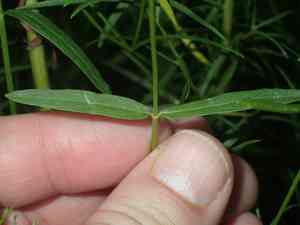
Hyssopleaf hedgenettle flourishes when relocated from the beginning of spring to its end, or from late fall to mid-winter, owing to mild temperatures. Provide a spot with ample sunlight or partial shade and soil that drains effectively. To achieve optimal outcomes, exercise care during handling to prevent harm to the roots.
What Preparations are Needed Before Transplanting Hyssopleaf Hedgenettle?
What is the Ideal Time for Transplanting Hyssopleaf Hedgenettle?
The optimal period for relocating hyssopleaf hedgenettle spans from early to late spring or late autumn to mid-winter. This timing promotes excellent root development and growth due to favorable soil moisture and temperature conditions. Early transplantation allows hyssopleaf hedgenettle to adapt before the active growing season, increasing its chances of flourishing.
How Much Space Should You Leave Between Hyssopleaf Hedgenettle Plants?
When moving hyssopleaf hedgenettle, ensure a spacing of approximately 18-24 inches (45-60 cm) between plants. This provides ample room for their development without overcrowding.
What is the Best Soil Mix for Hyssopleaf Hedgenettle Transplanting?
For hyssopleaf hedgenettle, prepare well-draining soil enriched with compost or a balanced foundational fertilizer. An ideal pH range is 6.0-7.5. A general-purpose garden soil with added organic matter yields the best outcomes.
Where Should You Relocate Your Hyssopleaf Hedgenettle?
Select a sunny location for transplanting hyssopleaf hedgenettle. They thrive in full sun, needing about 6-8 hours of direct sunlight daily to grow robust and healthy.
What Equipments Should You Prepare Before Transplantation Hyssopleaf Hedgenettle?
Gardening Gloves
To safeguard your hands while handling soil and the plant.
Trowel
To excavate around and lift the plant from its initial spot.
Spade or Shovel
For digging a hole in the ground at the new planting site.
Watering Can or Hose
To hydrate the plant before and after its relocation.
Organic Mulch
To aid in moisture retention post-transplantation.
Pruning Shears
To trim any damaged or excess foliage prior to moving the plant.
Soil Knife
For severing roots if necessary.
How Do You Remove Hyssopleaf Hedgenettle from the Soil?
How Do You Remove Hyssopleaf Hedgenettle from the Soil?
From Ground: First, moisten the hyssopleaf hedgenettle plant's soil. Then, use a shovel or spade to dig a wide trench around the plant, ensuring the root ball remains intact. Carefully work the spade beneath the root ball to extract the plant from its original position.From Pot: Water the hyssopleaf hedgenettle plant thoroughly. Grasp the base of the plant and gently tap the pot's bottom to dislodge it. If needed, use a trowel or knife to loosen the soil along the edges before removing the plant.From Seedling Tray: Water the hyssopleaf hedgenettle seedling completely. Use a small trowel or your fingers to carefully lift each seedling by its base, taking care not to harm the roots during extraction from the tray.
Step-by-Step Guide for Transplanting Hyssopleaf Hedgenettle
Plant Preparation
Thoroughly water the hyssopleaf hedgenettle plant or seedling before its relocation. This helps minimize stress on the plant during the process.
Hole Preparation
Excavate a hole in the new spot that is twice as wide and equally deep as the hyssopleaf hedgenettle plant's root ball to ensure proper root expansion and establishment.
Plant Placement
Position the hyssopleaf hedgenettle plant in the hole, ensuring it sits at the same depth as it did in its previous location. Gently backfill the hole with soil, lightly pressing down to eliminate air pockets.
Watering
Once the plant is situated, water it thoroughly to help the soil settle around the roots and reduce transplant shock.
Mulching
Apply a layer of organic mulch around the base of the hyssopleaf hedgenettle plant. This will assist in retaining moisture and keeping the root zone cool.
How Do You Care For Hyssopleaf Hedgenettle After Transplanting?
Watering
Maintain consistent moisture in the soil around the hyssopleaf hedgenettle, avoiding sogginess, for the initial weeks post-transplant to encourage strong root development.
Shading
If the weather is excessively hot or sunny, consider providing temporary shade for the hyssopleaf hedgenettle plant to prevent transplant shock.
Monitoring
Regularly inspect the hyssopleaf hedgenettle plant for indications of stress or disease. Promptly address any issues to ensure healthy growth.
Pruning
Trim any dead or wilted leaves to encourage the hyssopleaf hedgenettle to direct energy towards new growth and root establishment.
Troubleshooting Common Issues with Hyssopleaf Hedgenettle Transplantation.
When is the best time to transplant hyssopleaf hedgenettle?
Relocate hyssopleaf hedgenettle between early spring and late spring, or late fall to mid winter.
How much space should I leave between hyssopleaf hedgenettle plants?
Space hyssopleaf hedgenettle plants 18-24 inches (45-60 cm) apart for healthy development.
What type of soil is best for hyssopleaf hedgenettle transplants?
Hyssopleaf hedgenettle thrives in well-drained, moderately fertile soil for optimal growth.
Do I need to water hyssopleaf hedgenettle immediately after transplanting?
Yes, water hyssopleaf hedgenettle thoroughly after transplanting to help it establish roots.
Should I fertilize hyssopleaf hedgenettle during transplantation?
A balanced, slow-release fertilizer can support hyssopleaf hedgenettle's initial growth after transplantation.
How should I handle hyssopleaf hedgenettle roots when transplanting?
Be gentle with hyssopleaf hedgenettle's roots, avoiding damage to ensure a successful transplant.
What should I do if hyssopleaf hedgenettle shows transplant shock?
Provide consistent moisture and some shade to help hyssopleaf hedgenettle recover from transplant shock.
Is mulching necessary for hyssopleaf hedgenettle after transplanting?
Mulching helps retain moisture and control weeds, beneficial for hyssopleaf hedgenettle's growth.
What are common pests that can affect hyssopleaf hedgenettle after transplant?
Watch for aphids and spider mites, which can affect newly transplanted hyssopleaf hedgenettle.
Can I transplant hyssopleaf hedgenettle in hot weather?
It's best to avoid transplanting hyssopleaf hedgenettle in hot weather to prevent stress on the plant.



