How to Prune Hyssopleaf hedgenettle?
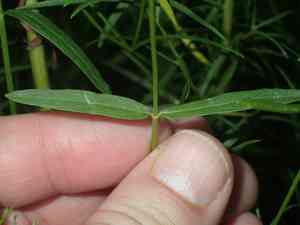
Known for its unique leaves, hyssopleaf hedgenettle greatly benefits from consistent trimming. The best times for pruning are during spring, summer, and autumn, coinciding with its active growth phases for revitalization and form maintenance. Trimming in early spring stimulates hyssopleaf hedgenettle's development by eliminating aged, lifeless matter. Summer and fall sessions ought to concentrate on preserving its shape and managing its dimensions. Routine pruning additionally improves air circulation, lowering the chance of illness and fostering more robust, thicker growth.
What Are the Benefits of Pruning Hyssopleaf Hedgenettle?
What Are the Benefits of Pruning Hyssopleaf Hedgenettle?
Trimming hyssopleaf hedgenettle encourages robust development and helps preserve its desired form. Consistent cutting promotes a thick, lush appearance, crucial for its ornamental use in gardens.
What Is the Best Time for Pruning Hyssopleaf Hedgenettle?
What Is the Best Time for Pruning Hyssopleaf Hedgenettle?
Pruning hyssopleaf hedgenettle in the spring allows for the removal of any winter-damaged branches, fostering healthy growth as the plant enters its active phase. Summer trimming is advantageous for shaping hyssopleaf hedgenettle and managing its size, as well as enhancing air circulation within the foliage, which can prevent disease. Fall pruning focuses on eliminating spent flowers and any dead or diseased foliage, which helps prepare hyssopleaf hedgenettle for winter and reduces potential pest sites.
What Tools Do I Need to Prune Hyssopleaf Hedgenettle?
Hand Pruners
Perfect for making precise cuts to selectively remove dead, damaged, or overly dense stems of hyssopleaf hedgenettle. This tool aids in maintaining plant health and promoting bushier growth.
Pruning Shears
Suitable for trimming and shaping the soft stems and foliage of hyssopleaf hedgenettle. These shears enable quick, clean cuts that encourage healthy new growth.
Gardening Gloves
Essential for protecting hands from thorns and sharp stems while pruning hyssopleaf hedgenettle. Provides a safer and more comfortable experience during pruning tasks.
How to Prune Hyssopleaf Hedgenettle
Identify
Examine hyssopleaf hedgenettle closely to identify all withered, yellowed, or dead leaves. Look for leaves that are damaged or diseased.
Sanitize
Sanitize your pruning shears with rubbing alcohol or a 10% bleach solution to prevent the spread of diseases.
Cut
Carefully trim off the withered leaves at the base, near the stem. Make clean cuts to avoid tearing, which can harm hyssopleaf hedgenettle.
Dispose
Dispose of the removed leaves responsibly, preferably in a compost bin. Do not leave them near hyssopleaf hedgenettle as they can harbor pests or diseases.
Water
After pruning, water hyssopleaf hedgenettle gently to help it recover and reduce stress. Ensure it has adequate moisture, but avoid overwatering.
Common Pruning Mistakes with Hyssopleaf Hedgenettle
Overpruning
A frequent error is removing too much growth at once, which can stress hyssopleaf hedgenettle and lead to poor growth or reduced vigor. This plant benefits from a lighter touch to maintain its natural shape and health.
Improper Cutting Technique
Cuts made too close to the node or using dull tools can damage hyssopleaf hedgenettle's stems, making them susceptible to disease. It's vital to use sharp, clean pruning shears and make cuts at a 45-degree angle above a leaf node.
Ignoring Dead or Diseased Branches
Failing to remove dead, diseased, or damaged branches can hinder hyssopleaf hedgenettle's overall health and aesthetic appeal. These should be the first to go when you begin pruning.
Common Pruning Tips for Hyssopleaf Hedgenettle
Selective Thinning
Instead of cutting back entire branches, selectively remove stems to improve light penetration and air flow within the plant. This technique encourages a healthier, denser growth and better flowering in hyssopleaf hedgenettle.
Post-Flowering Pruning
After hyssopleaf hedgenettle completes its bloom cycle, prune it to help shape the plant and encourage new growth. Focus on cutting back flowered stems to a set of leaves further down the stem to promote a new flush of growth.
Regular Maintenance
Regularly inspect hyssopleaf hedgenettle for any signs of ill health or overgrowth. Light pruning to remove wayward or excessively long stems can be performed throughout the growing season to keep it in optimal condition.



