How to Transplant Cretan hedgenettle?
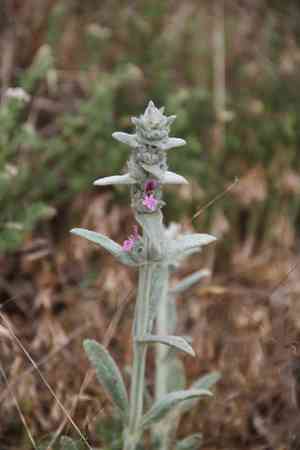
For cretan hedgenettle, the ideal period for relocating it is during the vigor of spring or the peaceful decline of autumn. Select a bright area with soil that drains effectively. Careful manipulation is crucial for safeguarding its fragile root system.
What Preparations are Needed Before Transplanting Cretan Hedgenettle?
What is the Ideal Time for Transplanting Cretan Hedgenettle?
The best times to move cretan hedgenettle are during the mild conditions of late spring or the gentle coolness of early autumn. Relocating in these seasons allows cretan hedgenettle to establish roots in moderate temperatures and benefit from upcoming growth or dormancy. A timely move during these periods promotes strong growth and reduces stress on cretan hedgenettle, ensuring a healthy start in its new location.
How Much Space Should You Leave Between Cretan Hedgenettle Plants?
Allow your cretan hedgenettle ample room to thrive! Aim to space each plant approximately 12-18 inches (30-46 cm) apart. This spacing promotes optimal growth and air circulation, helping your cretan hedgenettle flourish in its new environment.
What is the Best Soil Mix for Cretan Hedgenettle Transplanting?
For healthy roots, prepare a well-draining soil enriched with organic matterâit acts like a comforting blanket for your cretan hedgenettle. Incorporate a balanced, slow-release fertilizer to provide a gentle boost as it settles in. Your cretan hedgenettle will appreciate it!
Where Should You Relocate Your Cretan Hedgenettle?
Choose a sunny spot where your cretan hedgenettle can receive at least 6 hours of daily sunlight. This golden light is like a hearty breakfast, energizing them throughout the day. Partial shade is acceptable, but full sun is ideal!
What Equipments Should You Prepare Before Transplantation Cretan Hedgenettle?
Gardening Gloves
To protect your hands while handling soil and plants.
Spade or Shovel
For digging up the plant and preparing the new planting site.
Watering Can or Hose
To hydrate the plant before and after the transplanting process.
Pruning Shears
To trim any damaged or excess growth prior to transplanting.
Wheelbarrow or Plant Caddy
For moving the plant if it is large or heavy.
Garden Fork
To help loosen the soil around the roots when excavating the plant.
Mulch
To apply around the base of cretan hedgenettle after transplanting to help retain soil moisture.
How Do You Remove Cretan Hedgenettle from the Soil?
How Do You Remove Cretan Hedgenettle from the Soil?
From Ground: Water cretan hedgenettle to moisten the soil. Dig a wide trench around the plant using a shovel or spade, keeping the root ball intact. Carefully work the spade beneath the root ball to lift the plant from the ground.From Pot: Water cretan hedgenettle thoroughly. Gently tap the sides of the pot to loosen the soil. Invert the pot and guide the plant into your hand, supporting the root ball and avoiding pulling the plant by its stems.From Seedling Tray: Water the seedlings. Use a garden fork or a small tool to gently lift each seedling from its compartment, ensuring minimal root disturbance.
Step-by-Step Guide for Transplanting Cretan Hedgenettle
Preparation
Gather all necessary tools and ensure your new planting site is prepared according to the previous guidelines regarding spacing and soil type.
Removal
Carefully remove cretan hedgenettle from the ground, pot, or seedling tray using the outlined procedures, keeping as much soil around the roots as possible.
Planting Hole
Dig a hole at the new location that is twice as wide and the same depth as the root ball to prevent burying the plant too deeply.
Positioning
Place cretan hedgenettle in the center of the hole at its original growing depth, ensuring it stands upright.
Soil Backfill
Gently refill the hole with the excavated soil, lightly tamping to eliminate air pockets around the roots.
Watering
Thoroughly water cretan hedgenettle after planting to help settle the soil and provide moisture for the roots.
Mulching
Apply a layer of mulch around cretan hedgenettle to retain soil moisture and regulate soil temperature, keeping the mulch a few inches away from the stem to prevent rot.
How Do You Care For Cretan Hedgenettle After Transplanting?
Monitoring
Check the plant daily for the initial couple of weeks to ensure it is adapting well to its new environment.
Soil Moisture
Maintain consistent soil moisture, watering deeply and regularly as cretan hedgenettle establishes, but allow the topsoil to dry slightly between waterings to prevent waterlogging.
Support
If cretan hedgenettle is tall or top-heavy, provide staking or other support to prevent wind damage until the roots are established.
Pruning
Trim any dead or damaged foliage to direct cretan hedgenettle's energy towards root development and new healthy growth.
Pest Control
Watch for any signs of pests or diseases and address them promptly to ensure the health of cretan hedgenettle.
Patience
Allow cretan hedgenettle time to adjust and resist the urge to over-fertilize or over-treat. Cretan hedgenettle will need some time to recover from the transplant shock.
Troubleshooting Common Issues with Cretan Hedgenettle Transplantation.
What's the best time to transplant cretan hedgenettle?
Optimal transplanting seasons are from mid-spring to early summer, or from mid-fall to late fall.
How far apart should I space cretan hedgenettle during transplant?
Ensure a spacing of approximately 12-18 inches (30-45 cm) between each cretan hedgenettle for ideal growth.
Why are my cretan hedgenettle plants wilting after transplant?
Wilting might occur due to transplant shock. Ensure soil moisture is adequate and avoid full sun immediately after transplanting.
Should I prune cretan hedgenettle before transplanting?
Minimal pruning can be done to remove dead leaves, but conserve most of the foliage to aid recovery.
How deep should the hole be for transplanting cretan hedgenettle?
Dig a hole that's twice as wide as the root ball and the same depth to ensure roots can spread.
How do I know if cretan hedgenettle has enough water after transplanting?
The soil should be moist but not soggy. Check by placing a finger 2 inches (5 cm) into the soil.
What type of soil is best for transplanting cretan hedgenettle?
Use well-draining soil rich in organic matter to provide the best conditions for cretan hedgenettle's roots to establish.
Can cretan hedgenettle be transplanted in direct sunlight?
It's best to transplant cretan hedgenettle on a cloudy day or in a shaded area to reduce stress on the plant.
What should I do if cretan hedgenettle's leaves turn yellow after transplanting?
Yellow leaves often signal stress. Ensure proper watering, check for pests, and provide partial shade if necessary.
Is it necessary to fertilize cretan hedgenettle right after transplanting?
Wait a few weeks before fertilizing to give cretan hedgenettle time to overcome transplant shock and establish roots.



