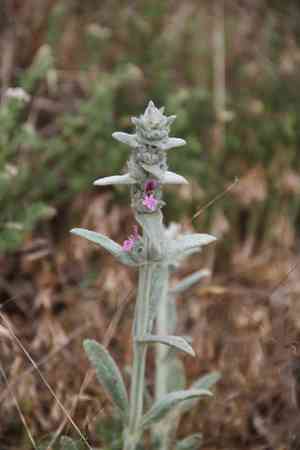
Cretan hedgenettle (Stachys cretica)
Also known as: Cretan Betony
Stachys byzantina, also known as lamb's ear, is a plant with soft, fuzzy leaves and purple flowers. Its woolly texture is not only visually appealing but also practical for Europe's wool carder bee, which collects the plant's fibers to construct its nest.
In This Article
Attributes of Cretan hedgenettle
Lifespan
Perennial
Plant Type
Herb
Plant Height
15 cm to 30 cm
Spread
12 cm to 40 cm
Leaf Color
Green
Flower Size
1.5 cm to 2 cm
Flower Color
Purple
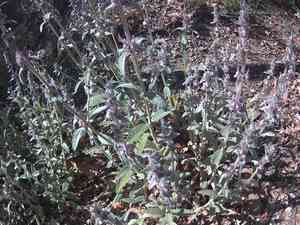
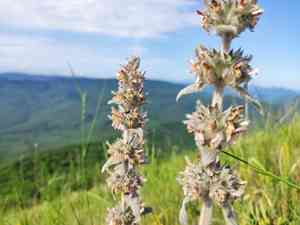
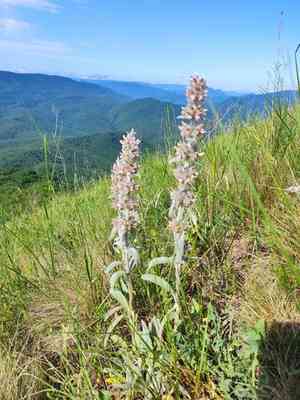
Images of Cretan hedgenettle
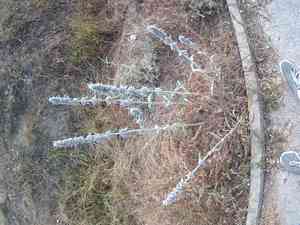
Quickly Identify Cretan hedgenettle
1
Stachys cretica can be identified by its square stems, opposite leaves covered with fine hairs, and its purple to pink tubular flowers which are borne in whorls. The leaves are wrinkled and highly aromatic when crushed.
Scientific Classification of Cretan hedgenettle
Phylum
Vascular plants
Class
Dicotyledons
Order
Lamiales
Family
Mint
Genus
Hedgenettle
Species
Cretan hedgenettle
Planting and Growing of Cretan hedgenettle
Care Difficulty
Easy
Watering Schedule
Every 3 days
Sunlight Requirements
Partial sun
Sunshine Duration
6-10 hours
Ideal Temperature
60-75℉
Soil Type
Potting Mix, Peat Mix
Soil pH
6.5-7.5
Fertilizer Type
Balanced
Pruning Season
Spring, Summer
Pruning Area
Branches, Leaves
Pruning Frequency
2 times a year
Repotting Season
Spring
Pot Type
Plastic, Ceramic
 How to Water Cretan hedgenettle?
For Stachys cretica, it is essential to water the soil until it is evenly moist but not soggy. Use approximately 200ml of water per session, ensuring that the water penetrates the root zone thoroughly. The key is to maintain a balance where the soil remains slightly moist between waterings without becoming dry or waterlogged.
What are the symptoms of an underwatered Cretan hedgenettle?
›
What should I do if my Cretan hedgenettle is not getting enough water?
›
What are the symptoms of an overwatered Cretan hedgenettle?
›
How to save an overwatered Cretan hedgenettle?
›
 What Are the Sunlight Requirements for Cretan hedgenettle?
Preferring partial to full sunlight, this range promotes healthy growth. Proper exposure ensures optimal photosynthesis, leading to lush foliage and vibrant blooms.
More About Sunlight Requirements Techniques→
How much sunlight does Stachys cretica need?
›
What solutions ensure ideal lighting?
›
What benefits does ideal light offer?
›
 What Is the Ideal Temperature Range for Cretan hedgenettle?
The ideal temperature range for cultivating Stachys cretica is between 60°F and 75°F. This temperature range ensures optimal growth and development as it closely mimics the plant's natural habitat conditions. Maintaining this range provides the plant with sufficient warmth without exposing it to stress from excessive heat.
 What Soil is Best for Cretan hedgenettle?
Stachys cretica thrives in well-drained soils that prevent waterlogging, which can cause root rot. The plant benefits from such conditions as it allows for sufficient oxygen to reach the roots, promoting healthy growth. While Stachys cretica is not too demanding, moderately fertile soils provide it with essential nutrients. This level of fertility ensures the plant has access to enough resources without excessive nutrient build-up, supporting balanced growth and flowering. The ability of air to circulate within the soil is crucial for Stachys cretica. Soil with good aeration helps in avoiding compaction, which could restrict root expansion and reduce the plant's overall health.
 How to Fertilize Cretan hedgenettle?
For Stachys cretica, apply a balanced liquid fertilizer at half the recommended strength. This ensures sufficient nutrients without risk of over-fertilizing. Typically, use about 1 teaspoon per gallon of water during active growth phases.
 How to Prune Cretan hedgenettle?
Start by using clean, sharp pruning shears. Focus on removing spent blooms and any damaged or diseased stems. Trim back one-third of the plant's height to encourage denser growth. To maintain an attractive shape, prune the plant from the top down. Use a systematic approach, aiming for a uniform appearance. This ensures even light distribution and reduces the risk of overgrowth in specific areas.
More About Pruning Techniques→
 How to Propagate Cretan hedgenettle plant?
1
Collect seeds from mature Stachys cretica plants once the flower heads have dried. Store them in a cool, dry location until you are ready to plant them.
2
Select healthy, non-flowering stems for cuttings. Cut just below a node, ensuring that each cutting is about 4-6 inches long. Remove the lower leaves to reduce moisture loss.
3
To divide a mature plant, gently dig it up and separate the root ball into smaller sections, each with a healthy root system. Replant the divisions promptly to ensure minimal shock.
 How to Repot Cretan hedgenettle plant?
1
Repot Stachys cretica when you notice the roots circling the pot's interior or protruding from drainage holes. This typically signifies the plant has outgrown its current pot. It's optimal to repot during early spring or autumn, aligned with the plant's active growth periods.
2
Select a pot that is slightly larger than the current one, with drainage holes to prevent waterlogging. Ceramic or terracotta pots are preferable as they allow breathability, helping to balance soil moisture and promoting healthy root growth.
3
Opt for a well-draining potting mix. A blend that includes sand or perlite will enhance aeration and drainage, minimizing the risk of root rot. Make sure the soil enriches the roots while allowing excess water to escape easily.
Learn More About Cretan hedgenettle Diseases
Anthracnose
Bacterial Leaf Spot
Bacterial Wilt
Chemical Injury
Damping-off
Downy Mildew
Drought Stress
Fusarium Wilt
Gray Mold
Leaf Curl
Leaf Spot
Mosaic
Nutrient Deficiency
Nutrient Toxicity
Powdery Mildew
Root Rot
Root-knot Nematode
Rusts
Sooty Mold
Spider Mites
Temperature Stress
Thrips Damage
White Mold



