How to Prune Cretan hedgenettle?
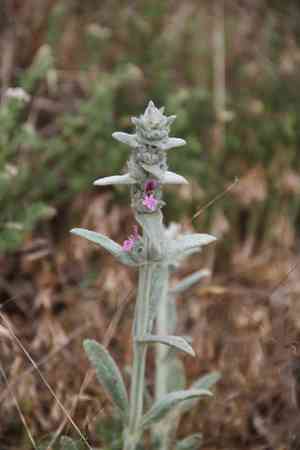
This enduring herb flourishes in Mediterranean environments, characterized by its distinctive spiky flower clusters. For cretan hedgenettle, strategic trimming in late spring or early summer fosters robust development and thicker leaves. Sever faded flower stalks at their base to promote subsequent blooms and eliminate any impaired or congested stems. Trimming not only preserves an appealing form but also deters excessive expansion within garden areas. Disinfecting pruning implements prior to use reduces the likelihood of illness.
What Are the Benefits of Pruning Cretan Hedgenettle?
What Are the Benefits of Pruning Cretan Hedgenettle?
Trimming cretan hedgenettle promotes robust development and helps maintain its desired form. By eliminating dead or overgrown branches, it ensures improved air circulation and sunlight exposure, crucial for the plant's vigor.
What Is the Best Time for Pruning Cretan Hedgenettle?
What Is the Best Time for Pruning Cretan Hedgenettle?
Pruning cretan hedgenettle in Spring is optimal as the plant emerges from dormancy and prepares for its growth cycle. This timing allows for shaping the plant and stimulating new growth before the rapid Summer growth period. Early Summer pruning, soon after the initial growth flush, is best for maintaining desired plant size and encouraging a second growth spurt. It also permits the removal of any damaged or unhealthy stems from the previous winter before the plant expends too much energy on them. These seasons avoid pruning in late Summer or Fall when new growth would be vulnerable to cold weather damage, ensuring plant vitality and bloom performance for the subsequent year.
What Tools Do I Need to Prune Cretan Hedgenettle?
Hand Pruners
Perfect for making precise cuts on cretan hedgenettle's stems. They enable gardeners to cleanly remove faded flowers or trim small stems to encourage denser growth.
Pruning Shears
Suitable for trimming cretan hedgenettle's softer, green growth during its active season. The scissor action is less likely to crush plant tissues, fostering healthier regrowth.
Garden Scissors
Useful for deadheading and shaping cretan hedgenettle. They offer control for cutting smaller, delicate stems without causing unnecessary harm to the plant.
Long-Handled Loppers
Appropriate for reaching into dense growth to prune cretan hedgenettle's thicker stems that hand pruners cannot manage. The extended handles provide leverage for clean cuts with less effort.
How to Prune Cretan Hedgenettle
Detect and determine
Examine cretan hedgenettle thoroughly to identify diseased and withered leaves, along with any affected stems. Pinpoint all parts requiring pruning, being careful to distinguish between healthy and unhealthy growth.
Sanitize tools
Before starting the pruning process, disinfect cutting tools with isopropyl alcohol or a bleach solution to prevent the spread of disease among plants during pruning.
Remove diseased leaves
Using sharp pruning shears, carefully snip away any diseased or withered leaves from cretan hedgenettle at the base of the affected leaf. Make clean cuts to prevent tearing and minimize damage to the plant's healthy sections.
Prune diseased stems
If diseased stems are present, make a diagonal cut on the stem of cretan hedgenettle just above a leaf node or a healthy bud to encourage new growth. Remove the entire affected stem if necessary to eliminate diseased parts and prevent further infection.
Clean up
After pruning cretan hedgenettle, dispose of all removed material properly, away from other plants, to prevent the spread of any potential diseases. Clean the tools again after finishing to maintain hygiene.
Common Pruning Mistakes with Cretan Hedgenettle
Over-pruning
Removing too much foliage from cretan hedgenettle can stress the plant, lead to fewer blooms, and make it more susceptible to pests and diseases.
Pruning into old wood
Cutting into the old wood of cretan hedgenettle can hinder new growth since this plant may not readily sprout from older stems.
Improper tool use
Using dull or dirty pruning tools can create jagged cuts that make cretan hedgenettle more vulnerable to infection and disease.
Neglecting deadhead
Failing to remove faded flowers from cretan hedgenettle can result in less abundant blooming and energy wasted on seed production instead of vegetative growth.
Ignoring plant shape
Not considering the natural form of cretan hedgenettle during pruning could lead to an unnatural appearance and impede its growth pattern.
Common Pruning Tips for Cretan Hedgenettle
Sharp and clean tools
Always use sharp, clean pruning shears to make precise cuts that will heal quickly and reduce the risk of disease in cretan hedgenettle.
Selective thinning
Prune cretan hedgenettle selectively to enhance air circulation and light penetration, which helps prevent fungal diseases and promotes healthy growth.
Prune for rejuvenation
Cut back cretan hedgenettle to a set of strong, new growth buds to revitalize the plant and encourage more abundant flowering.
Maintain plant form
Always prune cretan hedgenettle in a way that preserves its natural shape, enhancing its beauty and supporting its growth habit.
Deadhead regularly
Regularly remove spent blooms on cretan hedgenettle to encourage more flowers and prevent the plant from directing energy towards seeding.



