How to Transplant Indian hog plum?
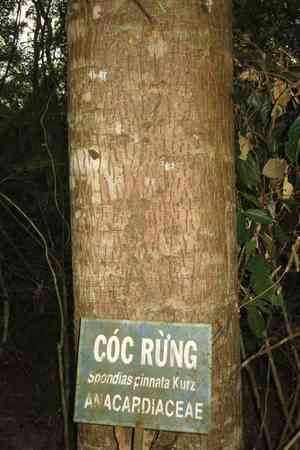
Indian hog plum flourishes optimally when relocated from mid-winter to the beginning of spring. Select a bright spot with soil that drains effectively. Guarantee steady hydration and firmness for successful establishment.
What Preparations are Necessary Before Relocating Indian Hog Plum?
When is the Best Period for Moving Indian Hog Plum?
The prime window for relocating indian hog plum spans from late winter to early spring. During this phase, the plant is inactive, reducing stress and aiding root development. This timeframe, marked by milder temperatures and increased moisture, fosters superior growth and boosts survival rates, ensuring a strong beginning for indian hog plum.
What Distance Should You Maintain Between Indian Hog Plum Plants?
For robust development, position each indian hog plum plant 25-30 feet (7.6-9.1 meters) apart. This provides ample room for roots and branches to spread without competition.
What is the Optimal Soil Blend for Indian Hog Plum Relocation?
Prepare well-drained, sandy loam or loamy soil enriched with organic material. Incorporate a balanced foundational fertilizer such as 10-10-10 (N-P-K) to nourish the young indian hog plum plant.
Where Should You Replant Your Indian Hog Plum?
Select a sunny location where your indian hog plum plant will receive full sun exposure, ideally 6-8 hours daily. This encourages vigorous growth and fruit production.
What Tools Should You Gather Before Relocating Indian Hog Plum?
Gardening Gloves
To safeguard your hands while handling soil and the plant.
Shovel or Spade
To excavate around and lift the indian hog plum from its initial spot.
Pruning Shears
For trimming any damaged roots or branches.
Watering Can or Hose
To keep the soil moist throughout the relocation process.
Burlap or Plastic Sheet
To wrap the root ball and lessen plant stress during transfer.
Stakes and Ties
To support the indian hog plum post-relocation, especially if it's tall or top-heavy.
Mulch
To aid in moisture retention and weed suppression around the newly relocated indian hog plum.
How Do You Extract Indian Hog Plum from the Ground?
How Do You Extract Indian Hog Plum from the Ground?
From Ground: First, hydrate the indian hog plum to moisten the soil. Next, dig a wide trench around the plant using a shovel or spade, ensuring the plant's root ball stays intact. Carefully work the spade beneath the root ball to lift the plant from its original position.From Pot: Water the indian hog plum thoroughly. Gently tap the pot's sides to loosen the soil. Turn the pot sideways and carefully slide the plant out, supporting the root ball with your hand to prevent root damage.From Seedling Tray: Water the indian hog plum seedlings well before relocation. Use a small trowel or spoon to carefully lift each seedling from the tray, keeping as much of the root system and soil intact as possible.
Step-by-Step Guide for Relocating Indian Hog Plum
Site Preparation
Prepare the new location for your indian hog plum by digging a hole that is twice as wide and as deep as the root ball. Loosen the soil at the bottom of the hole to assist root establishment.
Plant Removal
Carefully extract the indian hog plum from its original spot using the methods described above. Aim to keep the root ball intact to minimize relocation shock.
Plant Placement
Position the indian hog plum in the center of the hole, ensuring it is at the same depth as it was previously. Backfill the hole with soil, gently firming it around the roots.
Watering
Once the indian hog plum is in place, water it thoroughly to help settle the soil and eliminate any air pockets around the roots.
Staking
If needed, stake the indian hog plum to provide support. Place the stakes around the plant and use soft ties to secure the stem without causing harm.
Mulching
Apply a layer of mulch around the base of the indian hog plum, keeping it a few inches away from the trunk. Mulch helps retain moisture and suppress weeds.
How Do You Care For Indian Hog Plum After Relocation?
Watering
Maintain consistently moist, but not waterlogged, soil around the indian hog plum for the initial weeks post-relocation to aid in developing strong roots.
Monitoring
Regularly inspect the indian hog plum for indications of relocation shock, such as wilting or yellowing leaves. Address any issues promptly.
Pruning
Trim any damaged or dead branches to encourage new growth and alleviate plant stress.
Protection
Consider using a plant cover or shade cloth to shield the indian hog plum from excessive sunlight or strong winds during the first few days after relocation.
Addressing Common Issues with Indian Hog Plum Relocation.
When is the optimal time to relocate indian hog plum?
Relocate from mid-winter to mid-spring for best growth and adaptation.
How much space is required between indian hog plum plants?
Space indian hog plum plants 25-30 feet (7.6-9 meters) apart for proper development.
What depth should the hole be for relocating indian hog plum?
Dig a hole twice as wide and the same depth as the root ball.
What soil type is ideal for indian hog plum?
Well-draining, sandy loam soil enriched with organic matter is perfect for indian hog plum.
How should the root ball be managed during indian hog plum relocation?
Handle the root ball gently to prevent damage; keep it intact during the process.
Should indian hog plum be watered immediately after relocation?
Yes, water indian hog plum thoroughly after relocation to help settle the soil and roots.
How can I prevent relocation shock in indian hog plum?
Water regularly, mulch, and avoid excessive wind and sun exposure to prevent relocation shock.
How much sunlight does indian hog plum need after relocation?
Indian hog plum requires full sunlight, about 6-8 hours daily, for healthy growth.
When should I fertilize indian hog plum after relocation?
Wait at least 4-6 weeks before fertilizing indian hog plum to allow it to adjust.
What temperature range is ideal for newly relocated indian hog plum?
Ideal temperature range is 60-85°F (15-30°C) to promote healthy establishment.



