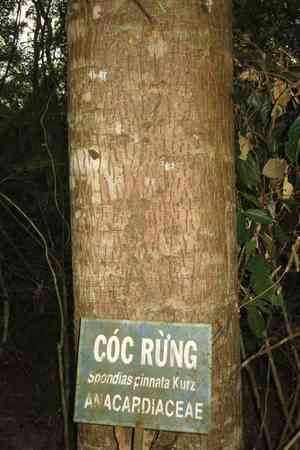
Indian hog plum (Spondias pinnata)
Also known as: Indian mombin, Amberella
Spondias pinnata is a deciduous tree that typically reaches heights of 10 to 15 meters, though it can occasionally grow up to 25 meters. The branchlets are yellowish-brown and smooth. The tree has large leaves, each with pairs of leaflets on 10 to 15 cm long petioles. The leaf blades are 30 to 40 cm in length and are imparipinnately compound, usually featuring 5 to 11 opposite leaflets. The leaflet petiolules measure about 3 to 5 mm.
In This Article
Attributes of Indian hog plum
Lifespan
Perennial
Plant Type
Tree
Plant Height
10-15 meters
Spread
5-10 meters
Leaf Color
Dark green
Flower Size
0.5-1 cm
Flower Color
Greenish-yellow, pale white
Images of Indian hog plum
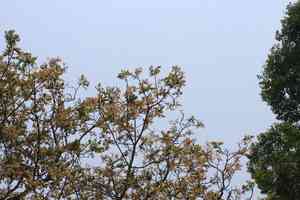
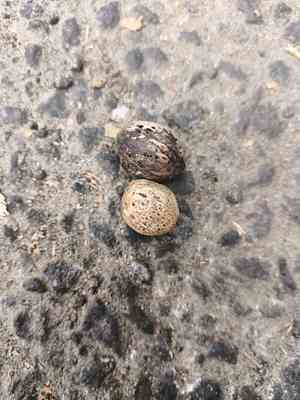
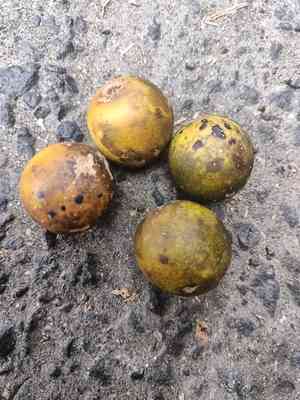
Quickly Identify Indian hog plum
1
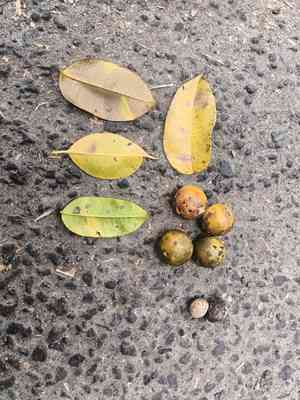
Spondias pinnata can be identified by its pinnate leaves with 5-11 leaflets, greenish-yellow flowers in panicles, and large, oval, yellow to orange fruits. The tree\'s bark is grayish-brown and often exfoliates.
Scientific Classification of Indian hog plum
Phylum
Vascular plants
Class
Dicotyledons
Order
Sapindales
Family
Cashew
Genus
Hog Plums
Species
Indian hog plum
Planting and Growing of Indian hog plum
Care Difficulty
Easy
Watering Schedule
Every 3 days
Sunlight Requirements
Full sun
Sunshine Duration
4-8 hours
Ideal Temperature
68-86℉
Soil Type
Potting Mix, Peat Mix
Soil pH
6.5-7.5
Fertilizer Type
Balanced
Pruning Season
Spring, Summer
Pruning Area
Branches, Leaves
Pruning Frequency
2 times a year
Repotting Season
Spring
Pot Type
Plastic, Ceramic
 How to Water Indian hog plum?
Spondias pinnata requires moderate watering. Ensure that the soil is consistently moist but not waterlogged. It's ideal to water until approximately 750 ml is drained through and the top 1-2 inches of soil feel damp.
What are the symptoms of an underwatered Indian hog plum?
›
What should I do if my Indian hog plum is not getting enough water?
›
What are the symptoms of an overwatered Indian hog plum?
›
How to save an overwatered Indian hog plum?
›
 What Are the Sunlight Requirements for Indian hog plum?
With ideal exposure ranging from full sun to partial sun, Spondias pinnata benefits significantly in terms of growth vigor and fruit yield. The right amount of light fosters healthy development and strengthens its natural defenses.
What is the best light exposure for Spondias pinnata?
›
How can I ensure my Spondias pinnata gets ideal sunlight?
›
Why is the right lighting important for Spondias pinnata?
›
 What Is the Ideal Temperature Range for Indian hog plum?
Spondias pinnata thrives best within a temperature range of 68°F to 86°F, which supports optimal growth and fruit production. These temperatures simulate its native tropical and subtropical environment, providing enough warmth for metabolism and growth processes without causing heat stress.
 What Soil is Best for Indian hog plum?
For optimal growth, Spondias pinnata requires nutrient-rich soil. Enriched loam offers essential minerals, ensuring robust foliage and a healthy root system, essential for fruit development and overall tree vitality. Soil should have excellent drainage to avoid waterlogging. Sandy loam provides adequate aeration and water flow, preventing root rot and promoting vigorous growth for this tree species. Incorporating organic material like compost enhances soil fertility, improving moisture retention and nutrient availability, which is crucial for sustaining Spondias pinnata's lushness and yields.
 How to Fertilize Indian hog plum?
For Spondias pinnata, use a balanced fertilizer with an NPK ratio around 10-10-10. Apply 1 liter of diluted liquid fertilizer per square meter, ensuring it is well-mixed into the soil to avoid root burn.
 How to Prune Indian hog plum?
Begin by identifying the branches that need removal, typically those that are dead, diseased, or crossing each other. Make cuts at a 45-degree angle just above a node to encourage new growth. For thicker branches, use a saw, starting with a notch underneath before cutting from the top to avoid bark ripping. If aim is to thin the canopy or improve shape, also remove excess growth and selectively cut back branches to promote a balanced structure. After pruning, ensure the tree is adequately watered to support its recovery. You can also apply a balanced fertilizer to aid in replenishing nutrients. Monitor for any signs of distress or disease, and apply appropriate protective measures if necessary.
 How to Propagate Indian hog plum plant?
1
Begin by soaking Spondias pinnata seeds in water for 24 hours to soften the seed coat, which aids germination. This helps to increase the success rate of germination.
2
Select healthy, disease-free stems from a mature plant. Cut a 10-15 cm length using sharp pruners, ensuring to make a clean cut just below a node.
3
Successfully grafting involves selecting a hardy rootstock, making precise cuts, and firmly securing the scion to ensure optimal nutrient exchange.
 How to Repot Indian hog plum plant?
1
Repot Spondias pinnata when you notice growth slowing down, roots emerging through drainage holes, or water sitting on the soil surface for too long. These signals indicate that the plant needs more space and nutrients, making repotting essential.
2
Choose a pot that is one to two sizes larger than the current one, with good drainage holes. This will accommodate future growth and prevent waterlogging, which can cause root rot. A slightly heavier pot is beneficial for stability as the plant grows larger.
3
Opt for a well-draining, loamy soil mix that retains moisture without becoming waterlogged. Such soil ensures that the roots have access to nutrients while preventing root rot, promoting healthier and more vigorous plant growth.
Learn More About Indian hog plum Diseases
Anthracnose
Bacterial Leaf Spot
Bacterial Wilt
Crown Gall
Damping-off
Downy Mildew
Drought Stress
Fusarium Wilt
Gray Mold
Leaf Curl
Leaf Spot
Mosaic
Nutrient Deficiency
Nutrient Toxicity
Powdery Mildew
Root Rot
Root-knot Nematode
Rusts
Sooty Mold
Spider Mites
Temperature Stress
Thrips Damage
White Mold



