How to Propagate Indian hog plum?
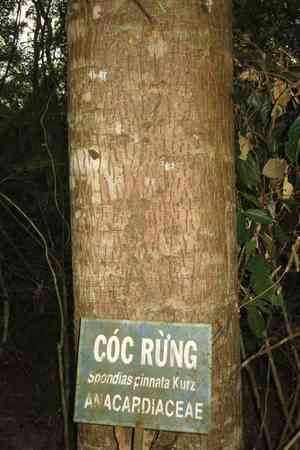
Indian hog plum flourishes when propagated via cutting methods, enabling rapid and efficient cultivation. For best outcomes, utilize semi-hardwood stem cuttings that are robust and show no indications of illness. It is essential to sustain sufficient humidity in the rooting substrate, paired with gentle, filtered sunlight. This approach encourages more vigorous root formation, thereby enhancing the plant's general strength and survival prospects.
Optimal Period for Indian Hog Plum Propagation
Propagation Method
Cutting
Propagation Season
Autumn,Winter
Tools Required for Indian Hog Plum Propagation
Sharp Pruning Shears
These are vital for obtaining clean, precise cuttings from indian hog plum. A clean cut helps prevent disease and promotes better rooting. The sharp blades minimize damage to the parent plant, supporting its continued health and development.
Rooting Hormone
This chemical compound stimulates root formation in indian hog plum cuttings. Applying rooting hormone to the cut end of the cutting accelerates root development, which is essential for successful establishment.
Sterile Potting Mix
Utilizing a sterile potting mix ensures that indian hog plum cuttings are planted in a disease-free environment, which supports healthy root growth. The mix should be light and well-draining to maintain proper moisture balance.
Propagation Tray
A propagation tray offers a controlled environment for rooting indian hog plum cuttings. It helps maintain consistent moisture and temperature, critical factors for root development in indian hog plum.
Humidity Dome
This accessory is placed over the propagation tray to help maintain high humidity around indian hog plum cuttings, which is crucial for preventing the cuttings from drying out before they can develop roots.
How to Propagate Indian Hog Plum?
Propagation Type
Moderately Difficult
Caring for Your Newly Propagated Indian Hog Plum
Caring for Your Newly Propagated Indian Hog Plum?
After propagating indian hog plum, ensure the young plants receive regular watering to keep the soil moist but not waterlogged. Gradually introduce them to direct sunlight to prevent scorching. Fertilize with a balanced, slow-release fertilizer approximately three months post-propagation to encourage growth. Regular pruning helps maintain shape and promotes branching, benefiting the plant's overall health and appearance.
Common Errors to Avoid When Propagating Indian Hog Plum
Overwatering
Excessive moisture can lead to root rot and fungal issues, hindering the plantâs ability to establish and thrive.
Improper Soil Mix
Using a dense or compacted soil mixture can restrict root growth and reduce aeration, which is vital for healthy root development.
Neglecting Sunlight
Insufficient sunlight can impede photosynthesis, stunting growth and impacting the plant's overall well-being.
Ignoring Pest Control
Failing to monitor for pests can result in infestations that harm young plants, leading to poor growth or death.
Tips For Propagating Indian Hog Plum
Use Well-Draining Soil
Choose a soil mix that is light and drains effectively to prevent waterlogging and encourage healthy root growth.
Ensure Adequate Light
Position the plant in a spot where it receives ample sunlight, which is crucial for its growth and development.
Regular Moisture Management
Maintain a consistent watering schedule but avoid overwatering. The soil should be moist but not saturated.
Monitor for Pests
Regularly inspect the plant for signs of pests and take preventative or corrective action as needed to protect the young plants.



