How to Transplant Nodding lady's tresses?
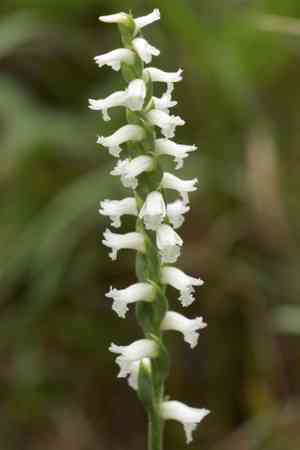
For nodding lady's tresses, the peak of its developmental period, typically summer, is ideal due to its vigorous growth, requiring a location with good drainage and filtered sunlight. Carefully position nodding lady's tresses at a depth consistent with its prior setting for optimal outcomes.
What Preparations are Needed Before Transplanting Nodding Lady's Tresses?
What is the Ideal Time for Transplanting Nodding Lady's Tresses?
The optimal period for relocating nodding lady's tresses is during the mild conditions of early autumn. This season allows nodding lady's tresses to establish its root system without the strain of summer heat. Placing nodding lady's tresses at this time provides ample opportunity for it to adapt and thrive in its new spot, promising a vibrant and captivating display in your garden. Utilize this prime transplanting window for a smooth transition and a strong start for nodding lady's tresses in its new home.
How Much Space Should You Leave Between Nodding Lady's Tresses Plants?
When moving nodding lady's tresses, ensure a spacing of approximately 1-2 feet (30-60 cm) between them. This provides each plant sufficient room to develop without competing for resources with nearby specimens.
What is the Best Soil Mix for Nodding Lady's Tresses Transplanting?
Prepare your garden with soil that drains well and is rich in organic material. A foundational fertilizer containing Nitrogen, Phosphorus, and Potassium will support nodding lady's tresses's development. You can acquire this at a local garden center.
Where Should You Relocate Your Nodding Lady's Tresses?
Select a site with partial to full sun exposure for transplanting your nodding lady's tresses. This plant thrives in sunlight but can also endure light shade. The key is finding the perfect balance!
What Equipments Should You Prepare Before Transplantation Nodding Lady's Tresses?
Gardening Gloves
To safeguard your hands while handling soil and nodding lady's tresses.
Garden Spade
Used to excavate the nodding lady's tresses plants from their original location while preserving the root structure.
Planting Trowel
To dig the new spot for relocating the nodding lady's tresses.
Garden Watering Can / Hose
To provide water to the plants during and after the relocation process.
Garden Pruner
To trim away any damaged foliage or roots.
Hand Rake
To prepare the new transplanting area by loosening the earth and clearing roots or stones from the vicinity.
How Do You Remove Nodding Lady's Tresses from the Soil?
How Do You Remove Nodding Lady's Tresses from the Soil?
From Ground: Start by watering the nodding lady's tresses to moisten the earth. Then, using a garden spade, dig a careful circle around the plant, making sure to encompass the entire root zone. Gently work the spade beneath the root ball to lift the nodding lady's tresses from its initial position.From Pot: Water your potted nodding lady's tresses plant first to dampen the soil and roots. Be sure to handle the plant with care to prevent harm. Carefully invert the pot and gently slide out the nodding lady's tresses, catching it with your other hand.Seedling Tray: For young plants in a tray, you can carefully extract them using a small, narrow garden trowel or a spoon. Ensure you hold the nodding lady's tresses by its leaves, not the stem, and that the root ball remains intact.
Step-by-Step Guide for Transplanting Nodding Lady's Tresses
Preparation
Prepare the new transplanting site by using a hand rake to loosen the soil and remove any roots or rocks. Create a hole slightly larger than the root ball of the nodding lady's tresses.
Gentle Handling
Carefully remove the nodding lady's tresses from its original spot following the method described above, taking great care not to harm the roots.
Transplanting
Position the nodding lady's tresses in the prepared hole and gently backfill around the root ball with soil. Be careful not to plant the nodding lady's tresses deeper than it was in its previous location. Lightly pat down with your hand.
Watering
Once planted, water the nodding lady's tresses gently to help the plant settle. Water sufficiently so that the moisture reaches the root zone.
How Do You Care For Nodding Lady's Tresses After Transplanting?
Mulching
Apply organic material as mulch around the base of the nodding lady's tresses to help retain moisture and inhibit weed growth. Avoid direct contact between mulch and the stem.
Water
Following the initial watering, keep the nodding lady's tresses adequately hydrated for the first few weeks. The soil should be damp, not waterlogged. Excessive watering could lead to root rot. Consider the temperature and season when irrigating.
Observation
Monitor the nodding lady's tresses daily for a couple of weeks to observe its adjustment to the relocation. Any wilting should be addressed. If feasible, try to shield your newly transplanted nodding lady's tresses from intense heat.
Troubleshooting Common Issues with Nodding Lady's Tresses Transplantation.
When should I transplant my nodding lady's tresses?
The optimal period to relocate your nodding lady's tresses is during the late summer to early autumn months.
How much space should I leave between each nodding lady's tresses during transplantation?
You should ideally maintain a distance of about 1 to 2 feet (30-60 cm) between each nodding lady's tresses plant.
Why does my nodding lady's tresses look wilted after the transplant?
Transplanting can cause stress to nodding lady's tresses. Ensure to water them thoroughly after relocation, and keep the soil moist but not oversaturated.
How do I prepare the ground for transplanting nodding lady's tresses?
Before moving nodding lady's tresses, clear the area of weeds, loosen the soil, incorporate compost for nutrients, and ensure proper drainage.
What kind of sunlight conditions does nodding lady's tresses require for healthy growth?
Nodding lady's tresses thrives in partial to full sun. So, make sure you select a spot that receives approximately 4-6 hours of sunlight daily.
What should I do if the leaves of my nodding lady's tresses begin to turn yellow after transplanting?
Yellowing foliage may indicate overwatering or insufficient drainage. Adjust your watering schedule and check for signs of waterlogging.
How deep should I plant nodding lady's tresses during the transplant?
Aim to maintain the same soil line as it had in its original pot. Do not bury the stem of nodding lady's tresses deeper than it was previously.
Should I prune or cut back my nodding lady's tresses during transplant?
It is not essential. However, if your nodding lady's tresses is excessively large or tangled, you might consider gentle pruning for easier relocation.
Why does my transplanted nodding lady's tresses look droopy?
Droopiness could be a symptom of transplant shock. Ensure nodding lady's tresses is adequately watered and positioned in its preferred sunlight exposure.
What type of soil is best for transplanting nodding lady's tresses?
Nodding lady's tresses prefers rich, well-draining soil. Try mixing in some organic matter such as well-rotted compost or aged manure to enhance fertility.



