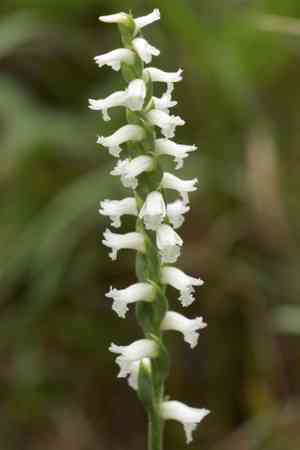
Nodding lady's tresses (Spiranthes cernua)
Also known as: Nodding Lady's Tresses, Ladies' Tresses Orchid
Other names for the Nodding Ladies' Tresses orchid include Wild Hyacinth and Nodding Spiranthes. The name comes from the way its blossoms slightly tip downward. This orchid is notably beginner-friendly and spreads gradually through its underground rhizomes, eventually forming stunning colonies. When fully mature, it can be propagated by dividing the rhizomes.
In This Article
Attributes of Nodding lady's tresses
Lifespan
Perennial
Plant Type
Herb
Plant Height
23 cm to 61 cm
Spread
23 cm to 30 cm
Leaf Color
Green
Flower Size
2.5 cm
Flower Color
White
Images of Nodding lady's tresses
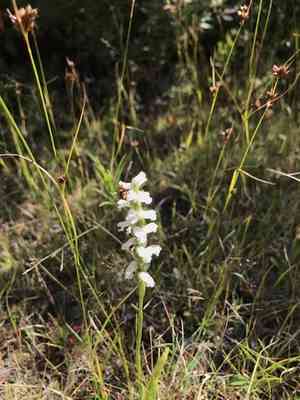
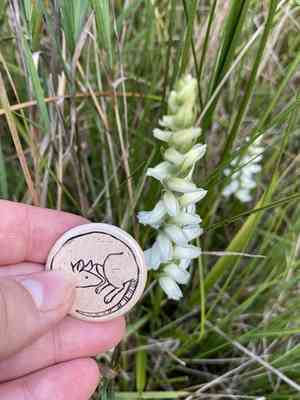
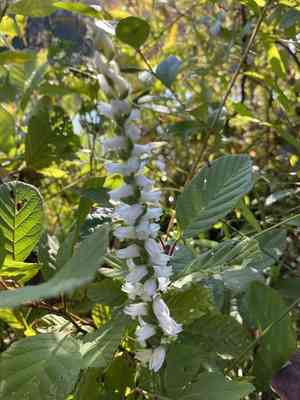
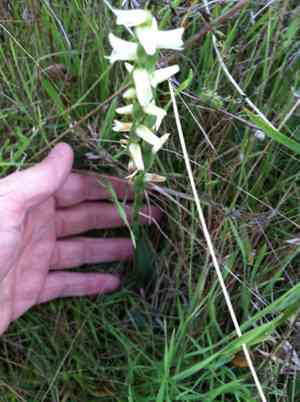
Quickly Identify Nodding lady's tresses
1
Distinct double spiral arrangement of white flowers on stems 8-18 inches (20-45 cm) tall.
2
Slender, lance-shaped leaves up to 12 inches (30 cm) with smooth margins in basal rosettes.
3
Smooth, upright stem reaching 9-18 inches (23-46 cm), unbranched, supporting dense, spiral-like flowers.
4
Inflorescence displaying slightly spiraled, vertical arrangement of fragrant, hooded, white flowers.
5
Fruit in slender, green pods transitioning to tawny brown, releasing lightweight seeds for wind dispersal.
Scientific Classification of Nodding lady's tresses
Phylum
Vascular plants
Class
Monocotyledons
Order
Asparagales
Family
Orchid
Genus
Ladies tresses
Species
Nodding lady's tresses
Planting and Growing of Nodding lady's tresses
Care Difficulty
Easy
Watering Schedule
Every 4 days
Sunlight Requirements
Partial sun
Sunshine Duration
4-8 hours
Ideal Temperature
65-75℉
Soil Type
Potting Mix, Peat Mix
Soil pH
6.5-7.5
Fertilizer Type
Balanced
Pruning Season
Spring, Summer
Pruning Area
Branches, Leaves
Pruning Frequency
2 times a year
Repotting Season
Spring
Pot Type
Plastic, Ceramic
 How to Water Nodding lady's tresses?
Spiranthes cernua prefers moist soil, so watering should allow sufficient moisture without making the soil waterlogged. A good rule of thumb is to apply about 200 milliliters of water per session, ensuring the soil is damp but not saturated.
What are the symptoms of an underwatered Nodding lady's tresses?
›
What should I do if my Nodding lady's tresses is not getting enough water?
›
What are the symptoms of an overwatered Nodding lady's tresses?
›
How to save an overwatered Nodding lady's tresses?
›
 What Are the Sunlight Requirements for Nodding lady's tresses?
Partial sun allows Spiranthes cernua to thrive by ensuring photosynthesis without scorching its leaves. Ideal light boosts growth, supports flowering, and enhances leaf health.
More About Sunlight Requirements Techniques→
What type of lighting does Spiranthes cernua prefer?
›
How can you ensure it receives the right amount of light?
›
What are the benefits of Spiranthes cernua receiving ideal lighting?
›
 What Is the Ideal Temperature Range for Nodding lady's tresses?
For optimal growth, Spiranthes cernua should be maintained in a temperature range of 65°F to 75°F. This range provides the necessary warmth while preventing excessive heat or cold stress, promoting healthy root development and vibrant floral displays.
 What Soil is Best for Nodding lady's tresses?
Spiranthes cernua thrives well in nutrient-rich soil that supports its delicate root system. A fertile substrate ensures healthy growth and abundant flowering, providing essential nutrients needed for metabolic processes. This orchid species prefers well-draining soil to prevent waterlogging. Ensuring proper drainage avoids root rot and promotes robust root health, which is crucial for the plant's stability and nutrient uptake. Although requiring good drainage, the soil should retain enough moisture to keep the roots hydrated. Balanced moisture levels encourage continuous growth and lush foliage throughout the growing season.
 How to Fertilize Nodding lady's tresses?
For Spiranthes cernua, it's important to use moderation when applying fertilizers. Use a balanced liquid fertilizer diluted to half the strength recommended for typical houseplants. Apply liberally around the base, ensuring it doesn’t touch the leaves.
 How to Prune Nodding lady's tresses?
Begin by identifying and removing dead or damaged foliage. Use clean, sharp pruning shears to cut the leaves at their base, ensuring not to harm the healthy parts of the plant. The best time to prune Spiranthes cernua is after it has finished blooming. Trim back spent flower spikes to encourage new growth and prepare the plant for the next growing season.
More About Pruning Techniques→
 How to Propagate Nodding lady's tresses plant?
1
Select a mature, healthy parent plant with a vigorous growth record. Ensure it is free from diseases and pests, as these factors can affect the success of division propagation.
2
Using a spade, gently uproot the plant from the soil, being cautious not to damage the roots. Shake off excess soil to expose the root system, allowing for easier division.
3
With a sterile knife or spade, divide the plant into smaller sections, ensuring each section has ample roots and shoots. This is crucial for the new plants to establish quickly and healthily.
 How to Repot Nodding lady's tresses plant?
1
Look for signs that your Spiranthes cernua needs repotting, such as roots growing out of the pot, slow growth, or soil degradation. Ideally, repot during the growing season to minimize stress.
2
Select a pot that is just one size larger than the current one with ample drainage holes. This helps prevent root rot and ensures that excess water can freely escape, maintaining optimal moisture levels.
3
Choose an orchid-specific mix with excellent drainage and aeration like bark and perlite. Such a mix mimics the natural habitat, allowing roots to breathe and reducing the risk of waterlogging.
Learn More About Nodding lady's tresses Diseases
Anthracnose
Bacterial Leaf Spot
Bacterial Soft Rot
Bacterial Wilt
Crown Gall
Cyst Nematode
Damping-off
Downy Mildew
Drought Stress
Fusarium Wilt
Gray Mold
Leaf Spot
Mosaic
Nutrient Deficiency
Nutrient Toxicity
Powdery Mildew
Root Rot
Root-knot Nematode
Rusts
Sooty Mold
Spider Mites
Temperature Stress
Thrips Damage
White Mold



