How to Prune Nodding lady's tresses?
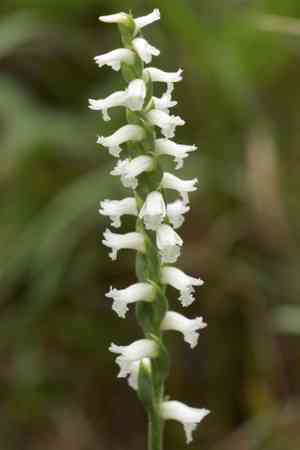
The perennial orchid, nodding lady's tresses, identifiable by its coiled, fragile blossoms, needs very little trimming. After flowering, sever the faded flower stalks at their base to stimulate further development. Given its uninterrupted growth pattern, pruning can occur in any season. Any withered or compromised foliage ought to be taken off to preserve its well-being and aesthetic. This targeted removal aids nodding lady's tresses by fostering robust growth and inhibiting the dissemination of ailments.
What Are the Benefits of Pruning Nodding Lady's Tresses?
What Are the Benefits of Pruning Nodding Lady's Tresses?
Trimming nodding lady's tresses promotes more abundant flowering, stimulates vigorous development, and maintains its attractive shape. Thoughtful cuts can lead to a healthier, more robust specimen.
What Is the Best Time for Pruning Nodding Lady's Tresses?
What Is the Best Time for Pruning Nodding Lady's Tresses?
The optimal period for pruning or trimming nodding lady's tresses is from late winter to early spring, coinciding with its dormant phase. During dormancy, most above-ground activities are suspended, minimizing stress from pruning. Furthermore, trimming before the growth season allows nodding lady's tresses to allocate energy to recovery and new growth as temperatures rise. This timing also precedes nodding lady's tresses's blooming cycle, preventing accidental removal of flowers, which could happen if pruned during or near the flowering season.
What Tools Do I Need to Prune Nodding Lady's Tresses?
Hand Pruners
For precise trimming of nodding lady's tresses, hand pruners are essential. They are particularly effective for cleanly cutting flower stems without causing undue harm to the plant. Hand pruners facilitate easy snipping of spent flowers or dead foliage near the base without disturbing the rest of the plant.
Scissors
When lighter cutting is required, or for trimming smaller, delicate parts of nodding lady's tresses, sharp scissors can be quite useful. This enables careful, selective pruning without stressing the plant's slender stems.
Pruning Snips
For detailed tasks on nodding lady's tresses, especially deadheading or shaping, fine-tipped pruning snips are highly advantageous. They allow for meticulous cuts and can access tight spots without damaging adjacent flowers or leaves.
How to Prune Nodding Lady's Tresses
Clean tools
Before starting, sterilize your pruning shears to prevent disease transmission to nodding lady's tresses. Clean tools with a solution of one part bleach to nine parts water.
Remove withered elements
Carefully remove any withered leaves and flowers from nodding lady's tresses. Cut these parts at their base, ensuring not to harm healthy tissue.
Cut diseased branches
Prune away any dead or diseased branches from nodding lady's tresses by making a clean cut at their base. Ensure cuts are made on healthy tissue to promote quick healing.
Thin overgrowth
Thin out overgrown areas of nodding lady's tresses, if necessary, to enhance air circulation. Make selective cuts to remove excess growth without drastically altering the plant's natural form.
Dispose trimmed parts
Properly dispose of all removed parts such as diseased leaves, dead branches, and withered flowers to prevent the spread of disease and pests to nodding lady's tresses or its surroundings.
Common Pruning Mistakes with Nodding Lady's Tresses
Overpruning
Removing too much foliage and stems from nodding lady's tresses can weaken it. Aim to remove only dead or unhealthy sections to avoid stress and potential damage to nodding lady's tresses.
Improper tool use
Using dull or dirty pruning tools can result in jagged cuts or infections in nodding lady's tresses. Ensure tools are clean and sharp for precise cuts.
Tearing stems
Tearing or ripping stems instead of cutting can harm nodding lady's tresses, creating larger wounds that heal slowly and can invite disease.
Neglecting plant health
Nodding lady's tresses should only be pruned when healthy and not exhibiting signs of stress or disease. Pruning a stressed plant can worsen its condition.
Common Pruning Tips for Nodding Lady's Tresses
Selective pruning
Focus on selectively removing dead or fading flowers of nodding lady's tresses to encourage a second bloom or to prevent the plant from expending energy on seed production unless propagation is desired.
Post-blooming cleanup
After nodding lady's tresses has flowered, you can remove the flower spikes close to the base to maintain tidiness and redirect energy back to the bulb and leaves.
Cleanliness
Always use sterilized pruning tools when cutting back nodding lady's tresses to prevent disease spread and ensure rapid healing of cut areas.
Gentle handling
Take care not to damage the healthy parts of nodding lady's tresses when pruning. Use gentle hands and precise tools to avoid accidental injury to the plant.



