How to Transplant Texas lady's tresses?
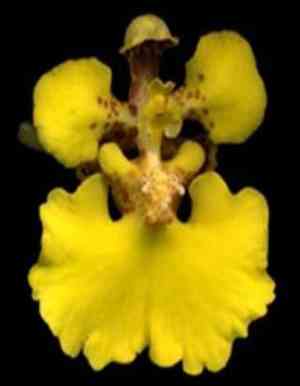
Texas lady's tresses flourish most effectively when relocated during the middle to end of spring. This period, combined with a site providing dappled light and damp, adequately draining earth, guarantees successful rooting. Select cooler days to minimize transplant stress.
What Preparations are Needed Before Transplanting Texas Lady's Tresses?
What is the Ideal Time for Transplanting Texas Lady's Tresses?
The best time for relocating texas lady's tresses is from mid to late spring. This timing allows the plant to establish its root system prior to the intense summer heat. Transplanting during this season maximizes root development, boosts growth, and enhances the plant's resilience. Preparing the soil and ensuring adequate moisture during these months will promote a successful transplantation.
How Much Space Should You Leave Between Texas Lady's Tresses Plants?
When transplanting texas lady's tresses, ensure a spacing of 6-12 inches (15-30 cm) between plants. This provides sufficient room for growth and prevents overcrowding, promoting healthy development.
What is the Best Soil Mix for Texas Lady's Tresses Transplanting?
For texas lady's tresses, prepare a soil mixture that drains well and is enriched with organic matter. You can incorporate compost or a balanced base fertilizer containing equal parts Nitrogen, Phosphorus, and Potassium (N-P-K ratio of 10-10-10).
Where Should You Relocate Your Texas Lady's Tresses?
Select a site for texas lady's tresses that receives partial to full sunlight. This ensures the plant gets enough light to flourish while avoiding harsh midday sun, encouraging robust growth.
What Equipments Should You Prepare Before Transplantation Texas Lady's Tresses?
Gardening Gloves
To safeguard your hands while handling soil and the plant.
Spade or Shovel
For digging around and lifting the plant from its original spot.
Watering Can or Hose
To irrigate the plant before and after its relocation.
Trowel
For excavating smaller holes at the new planting site.
Pruners
To trim any damaged roots or foliage.
Compost or Organic Matter
To enrich the soil at the new location.
Mulch
To help retain moisture and regulate soil temperature after transplanting.
How Do You Remove Texas Lady's Tresses from the Soil?
How Do You Remove Texas Lady's Tresses from the Soil?
From Ground: First, moisten the soil around the texas lady's tresses plant. Then, dig a wide trench around the plant using a shovel or spade, making sure the plant's root ball stays intact. Carefully work the spade beneath the root ball to lift the plant from its original position.From Pot: Gently water the texas lady's tresses plant to facilitate its removal. Then, tilt the pot sideways and carefully tap the bottom to loosen the plant. Hold the base of the plant and gently pull it out, ensuring the root ball remains intact.From Seedling Tray: Water the seedling tray to loosen the soil. Carefully use a small trowel or gently press the bottom of the cells to lift the seedling out, taking care not to harm the delicate roots.
Step-by-Step Guide for Transplanting Texas Lady's Tresses
Site Preparation
Prepare the new location by digging a hole twice the width and the same depth as the root ball of texas lady's tresses. Mix compost or organic matter into the excavated soil.
Plant Removal
Follow the appropriate removal steps for your situation (ground, pot, or seedling tray) to carefully extract the texas lady's tresses.
Placing the Plant
Position the texas lady's tresses in the center of the hole at the same depth it was growing previously. Fill the hole with the enriched soil, gently firming it around the base of the plant.
Watering
Thoroughly water the transplanted texas lady's tresses to help settle the soil and eliminate air pockets.
Apply Mulch
Spread a layer of mulch around the base of the texas lady's tresses, avoiding direct contact with the stem, to help retain moisture and regulate soil temperature.
How Do You Care For Texas Lady's Tresses After Transplanting?
Watering
Keep the soil around the texas lady's tresses consistently moist, but not waterlogged, for the initial few weeks post-transplant to aid in establishing strong roots.
Monitoring
Regularly check for indications of transplant shock, such as wilting or yellowing leaves, and take prompt corrective action if observed.
Weeding
Keep the area surrounding the texas lady's tresses free of weeds to minimize competition for nutrients and water.
Fertilizing
Avoid fertilizing immediately after transplanting to prevent stress. Wait until new growth appears before applying a balanced, slow-release fertilizer if necessary.
Protection
Consider using a protective covering or fencing if you're in an area frequented by herbivores or pets that might damage the plant.
Troubleshooting Common Issues with Texas Lady's Tresses Transplantation.
When is the best time to transplant texas lady's tresses?
The optimal time to transplant texas lady's tresses is mid to late spring for best results.
How far apart should I space texas lady's tresses plants?
Space texas lady's tresses plants 6-12 inches (15-30 cm) apart to ensure they grow well.
What type of soil is best for texas lady's tresses?
Texas lady's tresses thrives in well-drained, slightly acidic to neutral soil.
How much water should texas lady's tresses receive after transplanting?
Water texas lady's tresses regularly but avoid overwatering; soil should remain moist but not waterlogged.
Should I prune texas lady's tresses before transplanting?
It's generally not necessary to prune texas lady's tresses before transplanting.
What should I do if texas lady's tresses shows signs of stress after transplanting?
Keep texas lady's tresses well-watered and provide some shade until it acclimates to the new location.
Can I transplant texas lady's tresses during hot weather?
Itâs best to avoid transplanting texas lady's tresses during hot weather. Aim for cooler spring days.
How do I prepare the new site for texas lady's tresses?
Loosen the soil, remove weeds, and ensure good drainage for optimal texas lady's tresses growth.
Do I need to fertilize texas lady's tresses after transplanting?
A light, balanced fertilizer can be applied if needed, but avoid over-fertilizing texas lady's tresses.
How deep should I plant texas lady's tresses?
Plant texas lady's tresses at the same depth it was growing previously to prevent stress.



