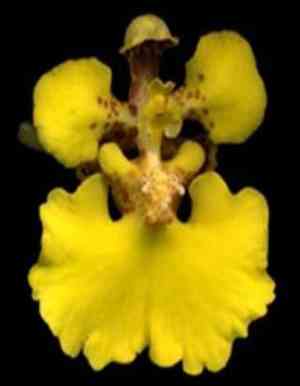
Texas lady's tresses (Spiranthes brevilabris)
Also known as: Short-lipped ladies' tresses
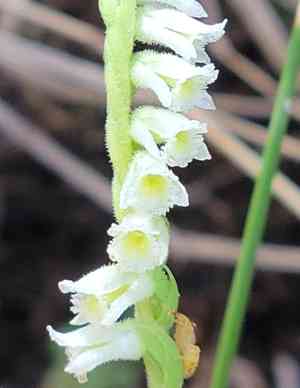
The Texas lady's tresses (Spiranthes brevilabris) is an orchid species that tends to grow in moist prairies and areas that have experienced some disturbance. Although it shares a similar appearance with Spiranthes floridana, a key distinguishing feature is the dense hairiness of its flowers. This characteristic helps to differentiate the Texas lady's tresses from its close relative, Spiranthes floridana. Additionally, while both species can occupy overlapping habitats, Spiranthes brevilabris is particularly noted for its presence in prairies and has become rare or endangered in many parts of its original range.
In This Article
Attributes of Texas lady's tresses
Lifespan
Perennial
Plant Type
Herb
Plant Height
30 cm
Spread
N/A
Leaf Color
Green
Flower Size
0.5 cm
Flower Color
White
Images of Texas lady's tresses
Quickly Identify Texas lady's tresses
1
Look for the spirally arranged white flowers on a slender stem, which can reach up to 30 cm in height. The leaves are usually basal and not present during flowering.
Scientific Classification of Texas lady's tresses
Phylum
Vascular plants
Class
Monocotyledons
Order
Asparagales
Family
Orchid
Genus
Ladies tresses
Species
Texas lady's tresses
Planting and Growing of Texas lady's tresses
Care Difficulty
Hard
Watering Schedule
Every 4 days
Sunlight Requirements
Full sun
Sunshine Duration
6-10 hours
Ideal Temperature
60-75℉
Soil Type
Potting Mix, Peat Mix
Soil pH
6.5-7.5
Fertilizer Type
Balanced
Pruning Season
Spring, Summer
Pruning Area
Branches, Leaves
Pruning Frequency
2 times a year
Repotting Season
Spring
Pot Type
Plastic, Ceramic
 How to Water Texas lady's tresses?
The specific watering amount for Spiranthes brevilabris should be around 150 ml per session. This is sufficient to keep the soil slightly moist but not waterlogged. Water until the top inch of soil feels moist to the touch but ensure that excess water drains out.
What are the symptoms of an underwatered Texas lady's tresses?
›
What should I do if my Texas lady's tresses is not getting enough water?
›
What are the symptoms of an overwatered Texas lady's tresses?
›
How to save an overwatered Texas lady's tresses?
›
 What Are the Sunlight Requirements for Texas lady's tresses?
Partial to full sun is ideal for Spiranthes brevilabris, facilitating optimal growth, vibrant flowering, and robust health, allowing for efficient energy use and nutrient absorption.
How much sunlight does Spiranthes brevilabris need daily?
›
What is the best type of lighting for Spiranthes brevilabris?
›
How to ensure Spiranthes brevilabris gets its ideal light?
›
 What Is the Ideal Temperature Range for Texas lady's tresses?
The ideal temperature for Spiranthes brevilabris is between 60°F and 75°F. This range allows the plant to thrive without experiencing thermal stress, ensuring optimal growth and flowering.
 What Soil is Best for Texas lady's tresses?
Spiranthes brevilabris thrives best in well-drained soil. This ensures that the roots do not remain waterlogged, which can lead to root rot. Providing well-drained soil helps in maintaining a healthy and thriving plant. Although it prefers sandy soils, Spiranthes brevilabris benefits from nutrient-rich conditions. Providing organic matter like compost can enhance soil fertility, promoting better growth and flowering in this lovely orchid. This plant favors soil that retains moderate moisture but is not overly wet. Proper moisture levels help maintain its vibrant foliage and encourage blooming, while preventing stress caused by drought.
 How to Fertilize Texas lady's tresses?
For Spiranthes brevilabris, it's essential to apply fertilizers sparingly. Over-fertilizing can harm the plant. Use liquid fertilizer at half the recommended strength, approximately 1/4 teaspoon per gallon of water. Solid fertilizers should be lightly scattered around the base, no more than 1/4 teaspoon per application.
 How to Prune Texas lady's tresses?
Start by identifying stems that look dead or are wilting. These stems should be removed first as they are no longer contributing to the plant's energy production. Cutting them back encourages new growth and maintains the plant's vigor. Once the plant has flowered, any stems that did not produce flowers can be lightly trimmed. This helps direct nutrients to stems that are more likely to flower in the next cycle, fostering a stronger plant structure.
More About Pruning Techniques→
 How to Propagate Texas lady's tresses plant?
1
Fill the seed tray with a well-draining soil mix that retains some moisture without becoming waterlogged. Lightly compress the soil to create an even surface for sowing seeds and ensure seeds make good contact with the soil.
2
Scatter the seeds evenly across the surface of the soil in the tray. Cover them with a thin layer of soil to protect them while allowing light exposure, crucial for proper germination. Mist the surface lightly to prevent seed dislodgement.
3
Select a healthy, mature Spiranthes brevilabris plant. Gently lift the plant from the ground, shaking off excess soil. Carefully examine the root system and use a sharp knife or spade to divide the plant into smaller sections, ensuring each has an adequate root system.
 How to Repot Texas lady's tresses plant?
1
Repotting Spiranthes brevilabris is best done when the plant shows signs of root crowding or poor drainage, typically indicated by slowed growth or reduced flowering. The ideal time is during Spring or Summer when the plant is in its active growth phase, ensuring quicker adaptation post-repotting.
2
Select a pot that's slightly larger than the current one, providing adequate drainage to avoid root rot. A pot with multiple drainage holes ensures excess moisture can escape easily, promoting healthy root growth and preventing waterlogged conditions detrimental to this delicate orchid.
3
Opt for a well-draining orchid mix that retains moisture yet allows excess water to escape quickly. This type of soil provides the right balance of aeration and moisture retention, which is crucial for the fine roots of Spiranthes brevilabris to thrive and absorb nutrients effectively.



