How to Propagate Texas lady's tresses?
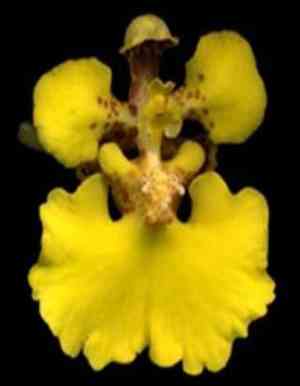
Originating from specific locales, texas lady's tresses is a captivating orchid recognized for its exquisitely spiraled blossoms. For reproduction, separation proves most efficient. Gently excavate established clusters, taking care to disturb roots as little as possible, and relocate them to a shaded spot with good drainage. This technique encourages superior development and guarantees robust new specimens. Regular upkeep and mindfulness of substrate quality will aid in their successful integration.
Optimal Period for Propagating Texas Lady's Tresses
Propagation Method
Splitting
Propagation Period
Spring,Autumn
Tools Utilized for Texas Lady's Tresses Propagation
Garden Spade or Shovel
Crucial for carefully excavating and separating mature clumps of texas lady's tresses. Its sharp edge minimizes root damage, vital for new plant establishment.
Pruning Shears
Helpful for trimming any damaged roots or foliage during the splitting process. Clean cuts prevent plant diseases and encourage healthy regrowth.
Root Knife
A specialized instrument for dividing plants with dense, tangled root systems. It enables precise, clean cuts, especially beneficial for texas lady's tresses to lessen transplant shock.
Plant Markers
Essential for labeling separated sections to track specific plants or varieties, ensuring correct identification and care during and after propagation.
Sterilizing Solution
Used to sanitize tools before and after use to stop pathogen spread. This is key for maintaining the health and viability of texas lady's tresses throughout propagation.
How to Propagate Texas Lady's Tresses?
Propagation Type
Simple
Post-Propagation Care for Your Texas Lady's Tresses
Post-Propagation Care for Your Texas Lady's Tresses
Following propagation, texas lady's tresses demand careful attention to flourish. Position plants in partial shade to emulate their natural environment. Keep the soil moist but ensure good drainage to avoid root rot. Watch for pests and diseases, treating them promptly if they appear. Apply a balanced, water-soluble fertilizer regularly during the growing season to support robust growth. Adhering to these care practices will help newly propagated texas lady's tresses establish well and bloom beautifully.
Common Errors to Avoid When Propagating Texas Lady's Tresses
Overwatering
Excessive moisture can lead to root rot, which is detrimental to texas lady's tresses's health and propagation success.
Incorrect Soil Mix
Using dense, poorly aerated soil can suffocate roots, impeding proper growth and establishment.
Lack of Humidity
A dry environment can cause dehydration and stunted growth, as texas lady's tresses requires a moist atmosphere.
Improper Light Exposure
Exposing texas lady's tresses to either direct sun or insufficient light can stress the plant, impacting its development.
Ignoring Soil pH
Failing to maintain a slightly acidic to neutral pH range can hinder nutrient absorption, leading to poor health.
Advice for Propagating Texas Lady's Tresses
Utilize Well-Draining Soil
Choose a mix specifically formulated for orchids or with good aeration to ensure healthy root development.
Maintain Consistent Humidity
Keep the surroundings humid, ideally between 60-70%, to encourage vigorous growth.
Indirect Light
Provide bright, indirect illumination to mimic texas lady's tresses's natural habitat and prevent leaf scorch.
Monitor Watering
Water sparingly, allowing the soil to dry out slightly between waterings to prevent root rot.
Check Soil pH
Regularly test and maintain the soil pH within a range of 5.5 to 6.5 to support optimal nutrient absorption.



