How to Transplant Alkali swainsonpea?
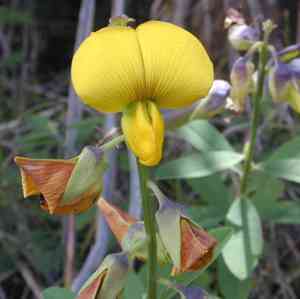
Move alkali swainsonpea from the start of spring until it reaches its peak bloom, typically in the early to middle part of the season. Place it in soil that drains effectively, guaranteeing sufficient exposure to sunlight. Should it be necessary, improve the soil and provide moderate watering following transplantation to aid in its settling.
Essential Preparations Before Relocating Alkali Swainsonpea?
Optimal Period for Moving Alkali Swainsonpea?
The best time to move alkali swainsonpea is during nature's gentle reawakening, specifically from the end of the thaw into the start of the warm, growing months. This period provides mild temperatures and increasing daylight crucial for alkali swainsonpea's root establishment. Embracing this timeframe ensures alkali swainsonpea has ample opportunity to develop strong root systems before summer's heat, maximizing vigor and development. The pleasant warmth of spring's sun and nourishing soil conditions invite you to transplant, promoting a thriving beginning for your alkali swainsonpea's journey.
Recommended Spacing Between Alkali Swainsonpea Plants?
When preparing to rehome your beautiful alkali swainsonpea, remember to allow ample room between each specimen. Aim for approximately 24-36 inches (61-91 cm) of separation to provide their roots space to expand and branches room to spread.
Ideal Soil Blend for Alkali Swainsonpea Transplantation?
Your alkali swainsonpea will thrive in a soil that's like a comfortable bed: well-draining and not overly particular. Incorporate a starter fertilizer to provide an initial boost. A balanced 10-10-10 (nitrogen-phosphorus-potassium) mixture would offer a robust welcome to its new location.
Optimal Location for Relocating Your Alkali Swainsonpea?
Select a sunny spot where the sun bathes the ground for most of the day. Alkali swainsonpea flourishes with full sun exposure, so seek a location that receives at least 6-8 hours of direct sunlight daily. Helping them absorb the rays will keep them radiating vitality!
Equipment Needed Before Transplanting Alkali Swainsonpea?
Gardening Gloves
To safeguard your hands while handling soil and the plant.
Shovel or Spade
For excavating the plant and preparing a new planting site.
Pruning Shears
To trim any dead or excess foliage and roots.
Watering Can or Hose
For hydrating the alkali swainsonpea before and after its relocation.
Wheelbarrow or Garden Cart
To transport the alkali swainsonpea and any necessary soil or amendments.
Mulch
To apply around the plant's base post-transplant for moisture retention.
Method for Extracting Alkali Swainsonpea from the Soil?
Method for Extracting Alkali Swainsonpea from the Soil?
From Ground: First, moisten the alkali swainsonpea's soil to make it easier to manage. Next, use a shovel or spade to dig a wide circle around the alkali swainsonpea, taking care not to harm the root ball. Gently work your tool beneath the plant to carefully lift it and its roots from the ground.From Pot: Begin by watering the alkali swainsonpea to loosen the soil. Invert the pot and gently tap or squeeze the container to release the root ball. If the plant resists, slide a knife along the pot's inner edge to help free it.From Seedling Tray: Water the seedlings to dampen the soil. Carefully remove the alkali swainsonpea from the tray by compressing the bottom of the individual cell or using a small tool to lift the plant out, ensuring the root structure remains intact.
Step-by-Step Guide for Relocating Alkali Swainsonpea
Excavating New Hole
Dig a hole twice the width of the alkali swainsonpea's root ball and of equal depth to prevent burying the plant too deeply.
Preparing alkali swainsonpea
Before planting, gently untangle any circling roots to encourage outward growth. Trim any broken or overly long roots.
Positioning alkali swainsonpea
Place the alkali swainsonpea in the center of the new hole, spreading out its roots. The top of the root ball should be level with the surrounding ground.
Backfilling
Carefully refill the hole with soil, lightly tamping as you go to eliminate air pockets.
Watering In
Thoroughly water the alkali swainsonpea after planting to settle the soil and hydrate the roots. Create a slight depression around the base to help direct water to the roots.
Mulching
Apply a layer of mulch around the base of the alkali swainsonpea to conserve moisture and reduce weed competition, being careful not to pile it against the stems.
Post-Transplant Care for Alkali Swainsonpea?
Monitor Watering
Regularly check soil moisture, and water the alkali swainsonpea as needed to prevent drying out until it's established. Use your finger to assess soil moisture before watering.
Pruning
Trim any damaged or yellowing leaves to help the alkali swainsonpea direct its energy towards root development and new growth.
Support Structures
If the alkali swainsonpea is tall or tends to flop, insert stakes or other supports at planting time to help it withstand wind until its roots take hold.
Resolving Common Issues with Alkali Swainsonpea Transplantation.
Why is my alkali swainsonpea struggling after transplant?
Ensure alkali swainsonpea was moved into well-draining soil and not overwatered. Check for signs of pests or disease.
When is the optimal time to transplant alkali swainsonpea?
Ideal transplanting occurs from early to late spring, allowing alkali swainsonpea to establish before summer heat.
What spacing should I use when transplanting alkali swainsonpea?
Provide alkali swainsonpea ample room to grow by spacing them 24-36 inches (61-91 cm) apart.
What soil conditions are best for transplanting alkali swainsonpea?
Alkaline, well-drained soil promotes healthy growth for alkali swainsonpea. Amend with organic matter if necessary.
How deep should I plant alkali swainsonpea's roots?
Plant alkali swainsonpea's roots so the crown sits at soil level, ensuring proper depth for rooting.
Can I transplant alkali swainsonpea on a hot, sunny day?
Transplant alkali swainsonpea on a cooler, overcast day to reduce transplant shock and water stress.
Should I prune alkali swainsonpea before transplanting?
Prune damaged or excessively long roots of alkali swainsonpea before transplanting to stimulate growth.
How do I water alkali swainsonpea after transplanting?
Water alkali swainsonpea deeply post-transplant to settle the soil around roots, then regularly but allow drying out between.
Why are the leaves of alkali swainsonpea turning yellow after transplant?
Yellowing may indicate overwatering, underwatering, or a nutrient deficiency. Adjust watering and consider soil testing.
Do I need to fertilize alkali swainsonpea after transplanting?
Avoid immediate fertilization; let alkali swainsonpea establish for 4-6 weeks, then apply a balanced fertilizer as needed.



