How to Prune Alkali swainsonpea?
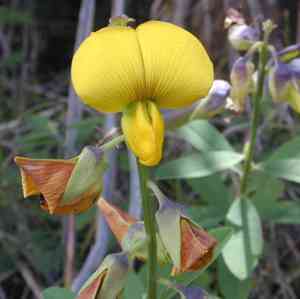
Alkali swainsonpea, a nitrogen-fixing legume thriving in alkaline earth, benefits from trimming to encourage a more compact form. Perform pruning in early spring for shaping and size regulation, or following summer blossoms to eliminate faded flowers and revitalize the leaves. Remove any lifeless or ailing branches upon discovery. This practice encourages fresh development, boosting the plant's vitality and bloom capacity, while also promoting thicker foliage and managing its stature. Always employ sanitized, sharp implements.
What Are the Benefits of Pruning Alkali Swainsonpea?
What Are the Benefits of Pruning Alkali Swainsonpea?
Trimming alkali swainsonpea promotes vigorous development and helps maintain its desired form. Strategic cuts enhance light penetration and air movement, crucial for health and shape.
What Is the Best Time for Pruning Alkali Swainsonpea?
What Is the Best Time for Pruning Alkali Swainsonpea?
Trimming alkali swainsonpea during Spring and Early Summer aligns with its active growth period, typically right after winter dormancy ends. This timing allows for rapid healing of cuts and encourages strong growth. Spring pruning is beneficial as it also lets gardeners remove any winter-damaged branches before the plant uses energy on new growth. Early Summer pruning ensures shaping and size control can be done without significantly impacting flowering, as alkali swainsonpea usually blooms in late summer. Furthermore, pruning during these seasons minimizes the risk of disease and pest infestation that might occur with late Summer or Fall pruning, as cuts heal quickly and the plant is less vulnerable when actively growing.
What Tools Do I Need to Prune Alkali Swainsonpea?
Hand Pruners
Perfect for precisely cutting slender stems and branches on alkali swainsonpea. Ergonomically designed hand pruners offer comfortable use and can handle typical branch sizes encountered.
Loppers
Given alkali swainsonpea's potential for somewhat thicker stems as it grows, loppers are useful for achieving clean cuts on branches that hand pruners cannot manage due to their size limitations.
Pruning Saw
For mature alkali swainsonpea specimens with more substantial branches, a pruning saw with fine teeth is essential for making clean cuts on wood that loppers might struggle with, ensuring minimal plant damage during pruning.
Gloves
Wearing sturdy, protective gloves is crucial to prevent injuries from thorns or rough material while pruning alkali swainsonpea.
Pruning Shears
For routine upkeep and shaping of alkali swainsonpea, utilize sharp pruning shears. They enable quick snipping of smaller stems and can help stimulate healthy new growth.
How to Prune Alkali Swainsonpea
Sterilize
Prepare your pruning tools by sanitizing them to prevent disease spread. Use a solution of one part bleach to nine parts water to wipe the blades.
Inspect
Examine alkali swainsonpea for specific areas needing attention. Look for diseased leaves, withered leaves, and diseased stems that require trimming.
Cut Diseased Leaves
Using your sterilized pruning shears, carefully remove diseased leaves from alkali swainsonpea. Make clean cuts at the base of each affected leaf to avoid tearing.
Cut Withered Leaves
Remove withered leaves by snipping them off close to the stem. This encourages healthy growth and redirects alkali swainsonpea's energy to developing new foliage.
Cut Diseased Stems
Identify and prune diseased stems by cutting them back to healthy tissue. Ensure a smooth cut that slopes away from the center of alkali swainsonpea to facilitate water runoff and healing.
Common Pruning Mistakes with Alkali Swainsonpea
Overpruning
Removing too much foliage, which can stress alkali swainsonpea and reduce its ability to photosynthesize effectively.
Improper cut location
Making cuts too far from a bud or node, which can lead to unnecessary injury and disease susceptibility for alkali swainsonpea.
Using dull tools
Pruning with dull tools can create jagged cuts that are more prone to infection and less likely to heal promptly.
Neglecting tool hygiene
Failing to disinfect tools between cuts can spread disease from infected parts of the plant to healthy ones.
Ignoring plant structure
Not considering alkali swainsonpea's natural growth pattern can result in an unbalanced shape and poor growth.
Common Pruning Tips for Alkali Swainsonpea
Sharp clean cuts
Use sharp and clean pruning shears to make precise cuts that will heal quickly, reducing the chance of disease in alkali swainsonpea.
Cut angle
Make cuts at a 45-degree angle just above a bud or stem node to promote new growth in the desired direction.
Thin out
Thin out dense areas to improve air circulation, which can help prevent fungal diseases that might affect alkali swainsonpea.
Prune damaged limbs
Prune away any dead, diseased, or damaged branches as soon as they're noticed to keep alkali swainsonpea healthy.
Maintain plant shape
Prune with the natural shape of alkali swainsonpea in mind, encouraging a balanced structure and avoiding any drastic changes to its form.



