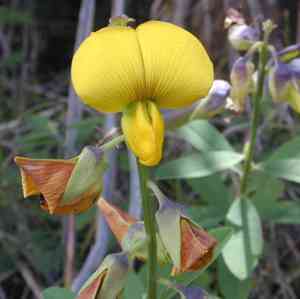
Alkali swainsonpea (Sphaerophysa salsula)
Also known as: Australian pea weed, Austrian peawood
Alkali swainsonpea (Sphaerophysa salsula) is an aggressive invasive species. It frequently appears near alfalfa fields because its seeds resemble those of alfalfa and are difficult to distinguish. This plant harbors symbiotic bacteria called endophytes.
In This Article
Attributes of Alkali swainsonpea
Lifespan
Perennial
Plant Type
Herb, Shrub
Plant Height
30 cm to 1.3 m
Spread
Approximately 0.5 to 1 meter
Leaf Color
Green
Flower Size
1.3 cm to 1.5 cm
Flower Color
Red Orange
Images of Alkali swainsonpea
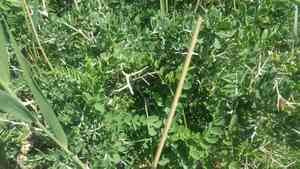
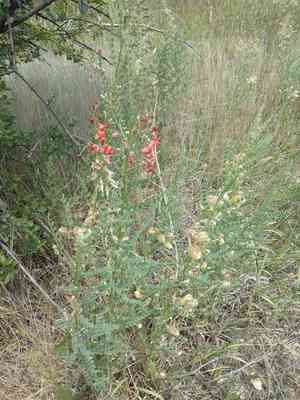
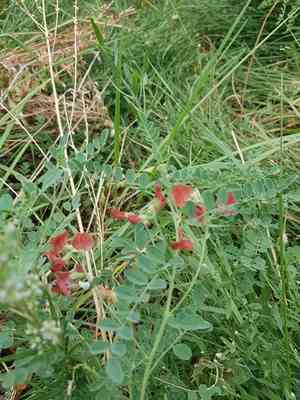
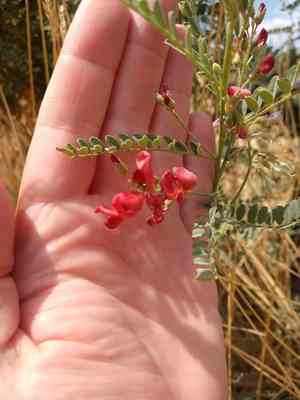
Quickly Identify Alkali swainsonpea
1
The plant can be identified by its upright stems, which can reach up to 1.5 meters in height. Its leaves are alternately arranged and compound, usually with three leaflets. The flowers are small, yellow, and borne in clusters at the end of the stems.
Scientific Classification of Alkali swainsonpea
Phylum
Vascular plants
Class
Dicotyledons
Order
Fabales
Family
Legume
Genus
Sphaerophysa
Species
Alkali swainsonpea
Planting and Growing of Alkali swainsonpea
Care Difficulty
Easy
Watering Schedule
Every day
Sunlight Requirements
Full sun
Sunshine Duration
4-8 hours
Ideal Temperature
68-86℉
Soil Type
Potting Mix, Peat Mix
Soil pH
6.5-8
Fertilizer Type
Balanced
Pruning Season
Spring, Summer
Pruning Area
Branches, Leaves
Pruning Frequency
Once a year
Repotting Season
Spring
Pot Type
Plastic, Ceramic
 How to Water Alkali swainsonpea?
Sphaerophysa salsula requires careful watering attention. The goal is to soak the root zone thoroughly without leaving standing water. A monthly soak with about 500ml ensures its roots are adequately hydrated, mimicking its natural arid habitat.
What are the symptoms of an underwatered Alkali swainsonpea?
›
What should I do if my Alkali swainsonpea is not getting enough water?
›
What are the symptoms of an overwatered Alkali swainsonpea?
›
How to save an overwatered Alkali swainsonpea?
›
 What Are the Sunlight Requirements for Alkali swainsonpea?
Sphaerophysa salsula thrives in full sun for 6-8 hours daily. Ideal light exposure enhances photosynthesis, promoting healthy vigor and lush foliage while supporting robust flowering and growth consistency.
What is the best location for Sphaerophysa salsula?
›
What solutions can adjust the lighting for Sphaerophysa salsula?
›
What are the benefits of optimal light exposure for Sphaerophysa salsula?
›
 What Is the Ideal Temperature Range for Alkali swainsonpea?
Sphaerophysa salsula thrives best at temperatures between 68°F and 86°F. This range provides the optimal conditions for growth and development, ensuring the plant maintains a healthy and robust structure.
 What Soil is Best for Alkali swainsonpea?
Sphaerophysa salsula thrives in soils with excellent drainage. This prevents root rot and ensures the plant receives the right amount of oxygen, contributing to its robust growth. A medium level of nutrients in the soil supports Sphaerophysa salsula's growth. Though not overly demanding, an adequate supply of nutrients ensures optimal health and flowering. A well-structured soil allows Sphaerophysa salsula to anchor securely and facilitates root penetration, promoting a strong base for the plant and resilience against environmental stressors.
 How to Fertilize Alkali swainsonpea?
For Sphaerophysa salsula, a balanced approach to fertilizing is essential. Apply liquid fertilizer at a rate of about 1 teaspoon per gallon of water. This should be used to sufficiently moisten the soil without causing runoff. Ensure that the fertilizer doesn't contain excessive nitrogen, which might burn the plant roots.
 How to Prune Alkali swainsonpea?
Ensure you have a pair of clean, sharp pruning shears. Sterilize the blades before use to prevent the spread of disease. It’s crucial to have the right tools ready to make clean cuts without damaging the plant. Identify any damaged, dead, or diseased branches for removal. Additionally, focus on cutting back overgrown branches that disrupt the plant's shape or encroach on other plants. Cutting these will ensure better airflow and sunlight penetration throughout the plant. Prune back branches to a junction or a bud to encourage new growth. Clean cuts heal better and minimize the chance of infection. After pruning, inspect the plant to ensure an even and pleasing shape, promoting healthy regrowth. After pruning, consider applying a balanced fertilizer to support recovery and growth. This extra boost of nutrients can help the plant recover from any stress caused by pruning and encourage more vigorous growth.
More About Pruning Techniques→
 How to Propagate Alkali swainsonpea plant?
1
Begin by filling a seed tray with a sterile potting mix. Sow the seeds evenly across the surface, pressing them lightly into the mix. Water gently to keep the soil moist but not waterlogged.
2
Select healthy stems from the parent plant and cut them at an angle. Ensure that each cutting is about 6-8 inches long and remove any lower leaves to reduce moisture loss.
3
Dip the cut end of the prepared stem cuttings into rooting hormone powder. This encourages faster root development and increases the chances of successful propagation.
 How to Repot Alkali swainsonpea plant?
1
Repotting is necessary when Sphaerophysa salsula shows signs of being root-bound, such as roots growing out of the pot or reduced growth. Ideally, do this in spring or summer, when the plant enters its active growing phase, allowing it to recover and adapt to the new pot more efficiently.
2
Select a pot that is one size larger than the current one, with ample drainage holes. This ensures excess water can escape, preventing root rot. The extra space allows roots to grow and expand, promoting healthier growth and reducing the need for frequent repotting.
3
Opt for a well-draining potting mix, rich in organic matter. Such soil mimics the plant's natural habitat, providing necessary nutrients and preventing waterlogging. A well-structured mix will keep roots healthy, ensuring robust plant growth and vibrant foliage.
Toxicity
Ingestion
WARNING
The judgment on toxicity and danger is for reference only. We DO NOT GUARANTEE any accuracy of such judgment. Therefore, you SHALL NOT rely on such judgment. It is IMPORTANT TO SEEK PROFESSIONAL ADVICE in advance when necessary.
Learn More About Alkali swainsonpea Diseases
Anthracnose
Bacterial Leaf Spot
Bacterial Wilt
Chemical Injury
Cyst Nematode
Damping-off
Downy Mildew
Drought Stress
Fusarium Wilt
Gray Mold
Leaf Spot
Mosaic
Nutrient Deficiency
Nutrient Toxicity
Powdery Mildew
Root Rot
Root-knot Nematode
Rusts
Sooty Mold
Spider Mites
Temperature Stress
Thrips Damage
White Mold



