How to Transplant Marsh sow-thistle?
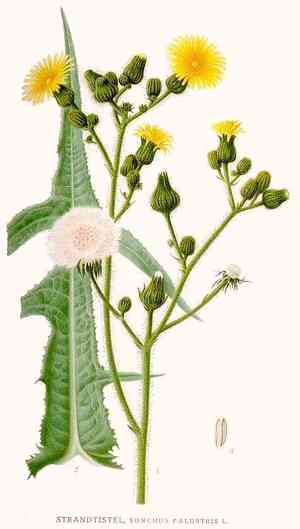
The ideal period for transplanting marsh sow-thistle spans from the onset of spring growth through the arrival of warmer weather. Select a location featuring damp earth, making sure it replicates marsh sow-thistle's inherent wetland environment for peak development.
What Preparations are Needed Before Transplanting Marsh Sow-thistle?
What is the Ideal Time for Transplanting Marsh Sow-thistle?
The perfect time for moving marsh sow-thistle is from the refreshing start of early spring through the lively bloom of late spring. Moving marsh sow-thistle during this period takes advantage of the cool, damp soil conditions, crucial for root establishment. In these months, milder temperatures and increasing daylight offer a harmonious blend of growth factors, ensuring marsh sow-thistle thrives after being transplanted. Choosing this window for transplantation strengthens marsh sow-thistle against the strain of summer heat, giving them a strong base for robust health.
How Much Space Should You Leave Between Marsh Sow-thistle Plants?
When you're ready to rehome marsh sow-thistle, it's best to provide ample room for each plant! Aim for approximately 12-18 inches apart (30-46 cm). This spacing will help your marsh sow-thistle flourish by allowing sufficient room for development and proper air circulation.
What is the Best Soil Mix for Marsh Sow-thistle Transplanting?
For marsh sow-thistle, consider creating a comfortable bed with soil that drains well yet retains some moisture. Incorporating organic matter, such as compost, can be highly beneficial. And let's jumpstart their growth with a balanced, slow-release fertilizer to nourish the roots.
Where Should You Relocate Your Marsh Sow-thistle?
Your marsh sow-thistle will appreciate a location that receives ample sunlight but also tolerates some shade. Therefore, aim for a spot where the morning sun gently warms them and where the afternoon shade provides a pleasant escape from the intense, midday rays.
What Equipments Should You Prepare Before Transplantation Marsh Sow-thistle?
Gardening Gloves
To safeguard your hands while handling soil and plants.
Spade or Shovel
To excavate and lift the marsh sow-thistle from the ground, container, or seedling tray.
Garden Fork
To loosen the earth around the planting site, facilitating easier transplantation.
Watering Can or Hose
For hydrating the marsh sow-thistle before and after the transplanting process.
Pruning Shears
To trim any damaged roots or leaves prior to transplanting.
Wheelbarrow or Garden Cart
To transport the marsh sow-thistle and soil to its new position.
Measuring Tape
To determine the correct spacing between multiple transplants, if required.
How Do You Remove Marsh Sow-thistle from the Soil?
How Do You Remove Marsh Sow-thistle from the Soil?
From Ground: First, irrigate the marsh sow-thistle plant to moisten the soil. Next, dig a wide trench around the plant using a shovel or spade, ensuring the plant's root ball remains intact. Carefully work the spade beneath the root ball to extract the plant from its original spot.From Pot: Gently squeeze or tap the sides of the container to loosen the soil. Tilt the pot sideways and carefully slide the root ball out while supporting the plant with your other hand.From Seedling Tray: Use a spoon or similar utensil to carefully lift the seedling from the tray. Ensure the root system stays as undamaged as possible during this process.
Step-by-Step Guide for Transplanting Marsh Sow-thistle
Preparation
Prepare the new planting area by loosening the soil with a garden fork to a depth of at least one foot to allow for easy root penetration.
Digging Hole
Excavate a hole that is twice as wide as the root ball of the marsh sow-thistle to enable the roots to spread out.
Placing the Plant
Position the marsh sow-thistle in the center of the hole, ensuring it's at the same depth it was growing in its previous location.
Filling the Hole
Gently backfill the hole with soil around the root ball, lightly patting down to remove air pockets without overly compacting the soil.
Watering
Thoroughly water the marsh sow-thistle after planting to settle the soil around the roots and hydrate the plant.
Mulching
Apply a layer of mulch around the base of the marsh sow-thistle to help regulate soil temperature, retain moisture, and reduce competition from weeds.
How Do You Care For Marsh Sow-thistle After Transplanting?
Regular Watering
Ensure the marsh sow-thistle receives sufficient water to maintain consistently moist soil. Overwatering can be as detrimental as underwatering, so monitor soil moisture regularly.
Monitoring
Observe the marsh sow-thistle for indications of stress, such as wilting, leaf discoloration, or stunted growth. Address any issues promptly.
Mulching
Replenish the mulch as necessary to sustain its protective advantages over time.
Pruning
Remove any dead or damaged foliage to help the marsh sow-thistle direct its energy towards establishing new roots and growth.
Gradual Acclimatization
If the marsh sow-thistle was previously in a shaded or indoor environment, slowly introduce it to more sun exposure to prevent shock.
Troubleshooting Common Issues with Marsh Sow-thistle Transplantation.
Why is my marsh sow-thistle wilting after transplanting?
Wilting can occur if the roots are excessively disturbed during transplanting. Ensure gentle handling of the root ball and thorough watering afterward to aid its establishment in the new spot.
When is the prime transplanting time for marsh sow-thistle?
The optimal time to transplant marsh sow-thistle is when the weather is mild, typically from early to late spring. This allows the plant time to establish before the summer heat.
How far apart should I space marsh sow-thistle when transplanting?
Aim for an ideal spacing of 12-18 inches (30-45 cm) apart. This provides each marsh sow-thistle with adequate room to grow and thrive without competing for resources.
What soil conditions are best for transplanting marsh sow-thistle?
Plant marsh sow-thistle in moist, well-draining soil. Improve your garden bed with organic matter to ensure vigorous growth.
Can I transplant marsh sow-thistle in hot weather?
Transplanting in hot weather can cause stress to the plant. It's best to transplant in cooler conditions of early to late spring to avoid heat stress.
What are the light requirements for a transplanted marsh sow-thistle?
Place marsh sow-thistle in a location where it receives full sun to partial shade to ensure its healthy growth after transplanting.
My marsh sow-thistle is not growing after transplanting, what should I do?
Ensure it's receiving sufficient water, light, and check the soil quality. Patience is crucial; it may take time to settle and show growth.
How deep should I plant marsh sow-thistle when transplanting?
The transplant hole should match the depth of the root ball. Planting at the correct depth promotes healthy root development.
Should I fertilize marsh sow-thistle after transplanting?
Wait a few weeks before fertilizing to allow marsh sow-thistle to adapt to its new location. Then, use a balanced fertilizer to support growth.
How much should I water marsh sow-thistle after transplanting?
Initially, water marsh sow-thistle deeply to help alleviate transplant shock. Continue to provide consistent moisture without saturating the soil.



