How to Prune Marsh sow-thistle?
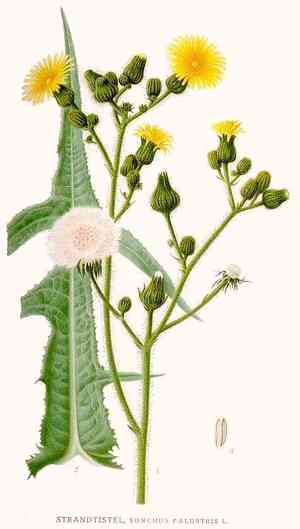
A perennial aquatic plant, marsh sow-thistle greatly benefits from strategic trimming to foster robust development and blooming. Trim marsh sow-thistle during springtime to eliminate aged leaves and encourage fresh shoots, and in summer to remove spent flowers and deter self-propagation. This targeted removal promotes a denser structure. Trimming also aids in managing its dissemination within cultivated areas, as marsh sow-thistle possesses invasive tendencies. This method provides the dual advantage of preserving visual appeal and curbing its aggressive characteristics.
What Are the Benefits of Pruning Marsh Sow-thistle?
What Are the Benefits of Pruning Marsh Sow-thistle?
Trimming marsh sow-thistle promotes vigorous development and maintains its desired shape. This crucial practice leads to a more robust, visually appealing plant capable of thriving in its environment.
What Is the Best Time for Pruning Marsh Sow-thistle?
What Is the Best Time for Pruning Marsh Sow-thistle?
Pruning marsh sow-thistle during Spring and Early Summer aligns with post-dormancy growth surges and pre-flowering stages, fostering healthy development and preventing energy waste on non-essential or damaged parts. Spring pruning allows for removal of winter damage before new growth begins. Early Summer pruning occurs after initial growth, enabling gardeners to shape marsh sow-thistle, enhance air circulation, and reduce disease risk. These seasons ensure minimal stress to marsh sow-thistle and better wound healing.
What Tools Do I Need to Prune Marsh Sow-thistle?
Bypass Pruners
Ideal for cutting soft, green stems of marsh sow-thistle. They create clean cuts which aid in healing.
Long-handled Loppers
For reaching higher or deeper areas, useful as marsh sow-thistle can grow quite tall and loppers can manage thicker stems that bypass pruners might not cut through.
Gardening Gloves
Protection is important when pruning marsh sow-thistle to prevent any skin irritation from potential plant sap.
How to Prune Marsh Sow-thistle
Identify
Examine marsh sow-thistle closely to identify diseased and withered leaves, as well as diseased stems that require trimming.
Sterilize
Sterilize pruning tools before cutting to prevent the spread of disease to or from marsh sow-thistle.
Prune leaves
Carefully remove diseased and withered leaves from marsh sow-thistle by cutting at the base of each leaf's stem, avoiding damage to nearby healthy tissue.
Prune stems
Cut back diseased stems of marsh sow-thistle to a healthy section, ensuring each cut is made at a 45-degree angle to promote healing and water runoff.
Dispose
Dispose of all removed diseased and withered plant material away from marsh sow-thistle to prevent reinfection or the spread of disease.
Common Pruning Mistakes with Marsh Sow-thistle
Overpruning
Removing too much foliage at once can stress marsh sow-thistle, weakening the plant and potentially causing stunted growth or a reduced number of blooms.
Improper cut location
Cutting too close to the main stem or leaving too long a stub can lead to disease entry and poor healing on marsh sow-thistle.
Using dull tools
Pruning marsh sow-thistle with dull tools can inflict more damage on the plant tissues, creating jagged cuts that are more susceptible to pests and diseases.
Pruning in damp conditions
Trimming marsh sow-thistle when the plant or the weather is wet can spread diseases, as many pathogens thrive in moist environments.
Ignoring diseased material
Failing to remove or properly dispose of diseased branches may lead to the spread of pathogens throughout marsh sow-thistle.
Neglecting sanitization
Not sanitizing pruning tools before and after use can spread diseases between marsh sow-thistle and other plants.
Common Pruning Tips for Marsh Sow-thistle
Tool sharpening
Using sharp, clean tools ensures clean cuts that heal quickly, reducing the risk of disease in marsh sow-thistle.
Cutting angle
Make cuts at a 45-degree angle to prevent water accumulation, which could lead to rot or disease in marsh sow-thistle.
Selective pruning
Focus on removing dead, damaged, or diseased foliage to improve air circulation and light penetration, which promotes the health of marsh sow-thistle.
Gradual pruning
Prune marsh sow-thistle gradually over the course of the growing season, if needed, rather than all at once, to avoid plant shock and to monitor plant response.
Follow growth patterns
Prune marsh sow-thistle by following its natural growth patterns, promoting a more natural shape and avoiding excessive, unnatural cuts that can weaken the plant.
Aftercare
After pruning marsh sow-thistle, provide appropriate aftercare, including watering and potentially fertilizing, to support recovery and robust growth.



