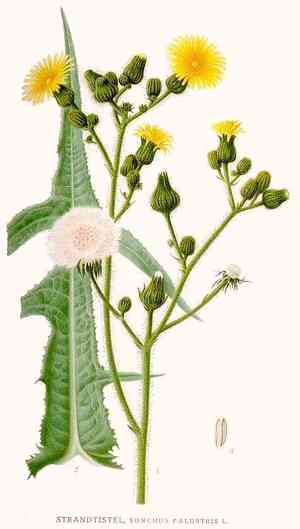
Marsh sow-thistle (Sonchus palustris)
Also known as: Marsh Sow-thistle
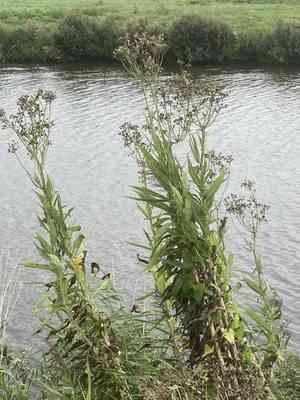
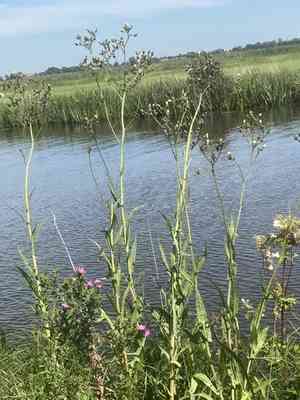
Marsh sow-thistle (Sonchus palustris), named for its marshland habitat, thrives in tidal river estuaries due to its moderate salt tolerance. This characteristic allows it to flourish alongside the brackish waters typical of these environments. Additionally, the plant's extensive root system and efficient nutrient uptake are key to its success in the soft, nutrient-rich soils of estuarine areas. Its prolific seed production also aids in its widespread colonization and adaptability to changing conditions.
In This Article
Attributes of Marsh sow-thistle
Lifespan
Perennial
Plant Type
Herb
Plant Height
150-250 cm
Spread
N/A
Leaf Color
Green
Flower Size
2-5 cm
Flower Color
Yellow
Images of Marsh sow-thistle

Quickly Identify Marsh sow-thistle
1
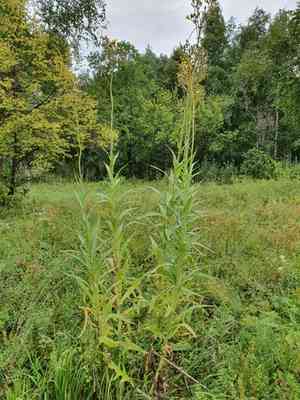
Identify Sonchus palustris by its tall stature, typically reaching heights of 150-250 cm, its lobed leaves, and its flowering heads with yellow, dandelion-like flowers.
Scientific Classification of Marsh sow-thistle
Phylum
Vascular plants
Class
Dicotyledons
Order
Asterales
Family
Daisy
Genus
Sowthistles
Species
Marsh sow-thistle
Planting and Growing of Marsh sow-thistle
Care Difficulty
Easy
Watering Schedule
Every 4 days
Sunlight Requirements
Full sun
Sunshine Duration
4-8 hours
Ideal Temperature
60-75℉
Soil Type
Potting Mix, Peat Mix
Soil pH
6.5-7.5
Fertilizer Type
Balanced
Pruning Season
Spring, Summer
Pruning Area
Branches, Leaves
Pruning Frequency
2 times a year
Repotting Season
Spring
Pot Type
Plastic, Ceramic
 How to Water Marsh sow-thistle?
The Sonchus palustris, or marsh sow-thistle, prefers consistent moisture but doesn't tolerate being in soggy soil. The ideal watering approach is to water it until the soil is consistently damp but not waterlogged. Aim for the water to reach about 2 inches deep into the soil for optimal hydration.
What are the symptoms of an underwatered Marsh sow-thistle?
›
What should I do if my Marsh sow-thistle is not getting enough water?
›
What are the symptoms of an overwatered Marsh sow-thistle?
›
How to save an overwatered Marsh sow-thistle?
›
 What Is the Ideal Temperature Range for Marsh sow-thistle?
Sonchus palustris grows optimally within a temperature range of 60-75°F. At these temperatures, the plant's photosynthesis and metabolic processes function efficiently, ensuring robust growth. This range mimics its natural temperate habitat, facilitating proper physiological and developmental processes.
 What Soil is Best for Marsh sow-thistle?
Sonchus palustris thrives in soil that retains moisture well, which is crucial for sustaining its growth in its native wetland environments. Well-retained moisture ensures that the plant's roots have constant access to water, promoting healthy growth and lush foliage. A nutrient-rich substrate is indispensable for Sonchus palustris, as it allows the plant to access essential nutrients necessary for its robust growth. This high nutrient availability supports vibrant leaf and flower production, crucial for the plant's reproductive success. Even though Sonchus palustris prefers moist conditions, good drainage is vital to prevent waterlogging, which can lead to root rot. Ensuring good drainage helps maintain the delicate balance between moisture retention and excess water removal, supporting the plant's long-term health.
 How to Fertilize Marsh sow-thistle?
For Sonchus palustris, the fertilizing amount should be moderate. Use about half the recommended dose for flowering plants, as too much can harm its delicate root system. Mix one teaspoon of liquid fertilizer in a gallon of water for optimal growth.
 How to Prune Marsh sow-thistle?
When pruning Sonchus palustris, begin by sterilizing your pruning tools to prevent disease spread. Identify any dead or diseased stems and branches and remove them first. This encourages new growth and keeps the plant healthy. Trim back overgrown or leggy sections to maintain a balanced shape. Make clean cuts at a 45-degree angle just above a node to encourage healthy regrowth. To shape Sonchus palustris, selectively prune the outer stems to achieve a symmetrical appearance. Avoid cutting too much at once, as this can shock the plant. Focus on maintaining a natural look while controlling size and preventing the plant from becoming invasive in your garden space.
More About Pruning Techniques→
 How to Propagate Marsh sow-thistle plant?
1
Begin by collecting mature seeds from a healthy Sonchus palustris plant. Clean the seeds to remove any debris and store them in a cool, dry place until ready for sowing. This step is critical to ensure high germination rates.
2
In early spring, fill a seed tray with a well-draining potting mix. Evenly spread the seeds on the surface and lightly cover them with a thin layer of soil. Water gently to maintain moisture without causing seed displacement.
3
During early spring, identify mature Sonchus palustris plants for division. Use a sharp knife to separate sections of the plant, ensuring each section has roots and shoots. Replant the divisions immediately in prepared soil.
 How to Repot Marsh sow-thistle plant?
1
The opportune moment to repot Sonchus palustris is when you notice roots emerging from the drainage holes or the plant’s growth seems stunted. These signs indicate the plant is becoming root-bound and requires more space to thrive.
2
Select a pot that is one size larger than the current one, ensuring it has ample drainage holes. This provides room for root expansion, prevents waterlogged conditions, and minimizes the risk of root rot.
3
Opt for a rich, loamy soil that retains moisture but drains well. This soil mix supports the plant's moisture needs while preventing water stagnation, promoting healthy root growth and lush foliage.



