How to Transplant Anisescented goldenrod?
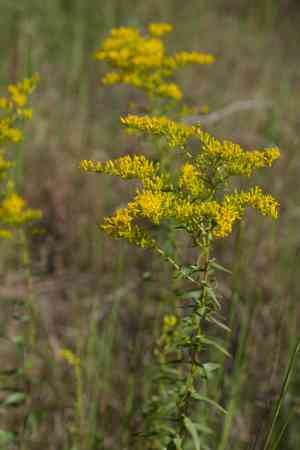
Anisescented goldenrod flourishes when relocated in mid-spring, requiring ample sunlight. Select a location with soil that drains effectively to encourage vigorous development. Restrict transplantation to essential instances for optimal outcomes.
What Preparations are Needed Before Transplanting Anisescented Goldenrod?
What is the Ideal Time for Transplanting Anisescented Goldenrod?
Anisescented goldenrod, a perennial, thrives when moved in mid to late spring due to favorable soil warmth and increased daylight. Transplanting then ensures strong root development and vigorous growth. Optimal timing minimizes transplant shock, promoting a healthier plant. By choosing this period, gardeners ensure anisescented goldenrod adapts efficiently, enhancing its longevity and beauty.
How Much Space Should You Leave Between Anisescented Goldenrod Plants?
When relocating anisescented goldenrod, ensure each plant is spaced approximately 18-24 inches (45-60 cm) apart. This spacing provides ample room for root expansion and healthy growth. It also promotes good air circulation, which helps prevent diseases.
What is the Best Soil Mix for Anisescented Goldenrod Transplanting?
Prepare the soil for anisescented goldenrod by selecting well-draining soil, ideally sandy or loamy. Enrich the soil with a balanced base fertilizer, such as a 10-10-10 mix, to supply essential nutrients. This aids in establishing strong roots and supports healthy development.
Where Should You Relocate Your Anisescented Goldenrod?
Choose a sunny spot for transplanting anisescented goldenrod. This plant flourishes best in full sun, meaning it requires at least 6-8 hours of direct sunlight daily. Ensuring adequate sunlight will boost its flowering and overall vitality.
What Equipments Should You Prepare Before Transplantation Anisescented Goldenrod?
Gardening Gloves
To safeguard your hands while handling soil and plants.
Hand Trowel
For digging around the plant and loosening the earth.
Shovel or Spade
To excavate a larger hole in the new site and assist in lifting the plant.
Garden Fork
To aerate the soil around the plant, especially in broader areas.
Watering Can or Hose
To thoroughly hydrate the plant before and after relocation.
Compost or Organic Mulch
To add to the new location to enhance soil quality and moisture retention.
How Do You Remove Anisescented Goldenrod from the Soil?
How Do You Remove Anisescented Goldenrod from the Soil?
From Ground: First, water the anisescented goldenrod plant to moisten the soil. Then, dig a wide trench around the plant using a shovel or spade, ensuring the plant's root ball stays intact. Carefully work the spade beneath the root ball to lift the plant from its original spot.From Pot: Water the anisescented goldenrod plant thoroughly to make the soil easier to manage. Gently squeeze the pot's sides to loosen the soil. Invert the pot, supporting the plant with your hand, and slide the plant out. Be careful to keep the root ball whole.From Seedling Tray: Water the soil in the tray to facilitate removal. Use a small tool like a butter knife to gently lift the seedling from the tray, ensuring you gather the roots and some surrounding soil for a smooth transition.
Step-by-Step Guide for Transplanting Anisescented Goldenrod
Site Preparation
Select a location with adequate sunlight and room for your anisescented goldenrod plant to reach its mature size. Ensure the soil drains well and amend it with compost or organic matter if needed.
Digging Hole
Use a shovel or spade to dig a hole that is twice as wide and as deep as the anisescented goldenrod's root ball. This will allow the roots space to spread and grow.
Plant Positioning
Place the anisescented goldenrod in the hole, ensuring it is upright and the top of the root ball is level with the surrounding soil. Backfill with soil, gently pressing down to eliminate air pockets without compacting it too much.
Watering
Water the anisescented goldenrod thoroughly immediately after planting to help settle the soil around the roots. Ensure the water penetrates deep into the soil.
Mulching
Apply a layer of organic mulch around the base of the anisescented goldenrod to help retain moisture, regulate soil temperature, and suppress weeds.
How Do You Care For Anisescented Goldenrod After Transplanting?
Watering
Keep the soil around the anisescented goldenrod consistently moist, but not waterlogged, for the initial few weeks post-transplant to aid in establishing strong roots.
Monitoring
Inspect the plant daily for signs of stress such as wilting or yellowing leaves. Address any issues promptly by adjusting watering or providing extra support.
Feeding
After a few weeks, consider applying a balanced fertilizer to support new growth and help the anisescented goldenrod establish itself in its new location.
Troubleshooting Common Issues with Anisescented Goldenrod Transplantation.
When is the best time to transplant anisescented goldenrod?
Relocate anisescented goldenrod in mid to late spring for optimal outcomes.
How much spacing is needed between anisescented goldenrod plants?
Maintain 18-24 inches (45-60 cm) of distance between anisescented goldenrod plants for proper development.
What should I do if the leaves start wilting after transplanting?
Ensure consistent watering and partial shade to help anisescented goldenrod recover from transplant shock.
How deep should I plant anisescented goldenrod during transplanting?
Plant anisescented goldenrod at the same depth as they were in their original containers to prevent stress.
Why is my anisescented goldenrod not growing after transplanting?
Check for adequate watering, suitable soil conditions, and proper spacing. Adjust as needed.
What type of soil is best for transplanting anisescented goldenrod?
Utilize well-draining soil with good organic matter to encourage healthy root development of anisescented goldenrod.
Should I fertilize anisescented goldenrod immediately after transplanting?
Wait a few weeks before fertilizing to allow anisescented goldenrod to establish roots in the new site.
How often should I water anisescented goldenrod after transplanting?
Water daily for the first week, then gradually reduce to 2-3 times per week.
What can I do to minimize transplant shock for anisescented goldenrod?
Water thoroughly, provide partial shade, and avoid disturbing roots to lessen transplant shock.
Can I transplant anisescented goldenrod in the fall?
It's best to transplant anisescented goldenrod in mid to late spring for successful establishment.



