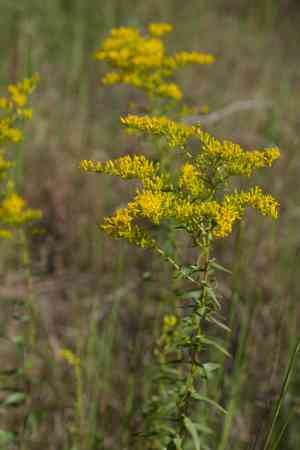
Anisescented goldenrod (Solidago odora)
Also known as: Licorice goldenrod
Anise-scented goldenrod is a fragrant native plant found in the eastern U.S. Its leaves release a licorice or anise aroma when crushed, making it a favored medicinal herb among Native American tribes. Additionally, it's used in perfumes and as a natural insect repellent. In gardens, it's a resilient, low-maintenance plant that attracts pollinators with its bright yellow flowers in late summer. Its distinctive anise fragrance and vivid golden blooms set it apart from other goldenrod species.
In This Article
Attributes of Anisescented goldenrod
Lifespan
Perennial
Plant Type
Herb
Plant Height
91 cm to 1.8 m
Spread
60 cm
Leaf Color
Green
Flower Size
0.2 inches (5 mm) per flower head
Flower Color
Yellow
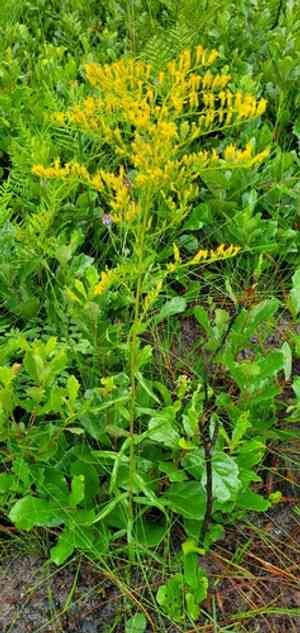
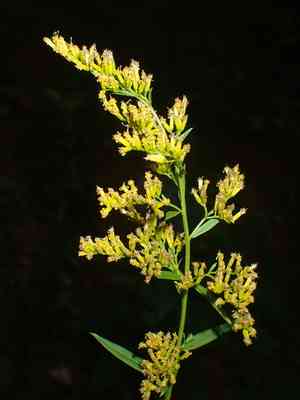
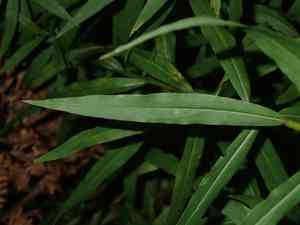
Images of Anisescented goldenrod
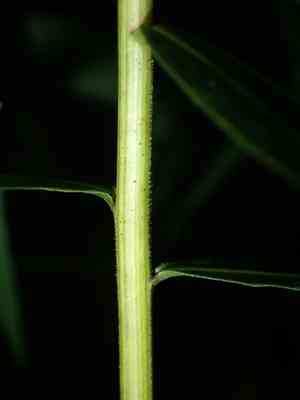
Quickly Identify Anisescented goldenrod
1
Look for slender, erect stems that can grow up to 3-5 feet tall. The leaves are lance-shaped and produce a distinctive anise scent when crushed. The yellow flowers are arranged in dense, plume-like clusters at the top of the stems.
Scientific Classification of Anisescented goldenrod
Phylum
Vascular plants
Class
Dicotyledons
Order
Asterales
Family
Daisy
Genus
Goldenrods
Species
Anisescented goldenrod
Planting and Growing of Anisescented goldenrod
Care Difficulty
Easy
Watering Schedule
Every 2 days
Sunlight Requirements
Full sun
Sunshine Duration
6-10 hours
Ideal Temperature
60-75℉
Soil Type
Potting Mix, Peat Mix
Soil pH
6.5-7.5
Fertilizer Type
Balanced
Pruning Season
Spring, Summer
Pruning Area
Branches, Leaves
Pruning Frequency
2 times a year
Repotting Season
Spring
Pot Type
Plastic, Ceramic
 How to Water Anisescented goldenrod?
For Solidago odora, which thrives in well-drained soils, water until the soil is moist to a depth of about 12 inches. This ensures that the roots receive enough moisture without becoming waterlogged. Think of it as a deep soak, which helps the roots grow deeper, better anchoring the plant.
What are the symptoms of an underwatered Anisescented goldenrod?
›
What should I do if my Anisescented goldenrod is not getting enough water?
›
What are the symptoms of an overwatered Anisescented goldenrod?
›
How to save an overwatered Anisescented goldenrod?
›
 What Are the Sunlight Requirements for Anisescented goldenrod?
Solidago odora ideally requires full sun to partial sun exposure. Adequate light ensures robust growth, vibrant foliage, and enhanced flowering, all contributing to the plant's overall vitality.
How much sunlight does Solidago odora need?
›
What are the solutions to achieve ideal lighting for Solidago odora?
›
What benefits does ideal lighting offer to Solidago odora?
›
 What Is the Ideal Temperature Range for Anisescented goldenrod?
For optimal growth, Solidago odora thrives in temperatures ranging from 60°F to 75°F. This range ensures the plant can efficiently photosynthesize and grow, promoting healthy foliage and robust flowering. Maintaining these temperatures helps minimize stress and supports nutrient uptake and overall plant vigor.
 What Soil is Best for Anisescented goldenrod?
Solidago odora prefers soil with excellent drainage to prevent root rot. Well-draining soil ensures that the water doesn't linger for too long around the roots, thus keeping the plant healthy and promoting robust growth. This plant thrives in nutrient-rich soil which provides essential minerals that support its vibrant plumes. Enriching the soil with organic matter can enhance nutrition, boosting both flowering and foliage quality. While Solidago odora enjoys well-drained soil, it also benefits from having some moisture retention to keep roots sufficiently hydrated. This balance helps the plant withstand periods of drought without compromising its vigor.
 How to Fertilize Anisescented goldenrod?
Solidago odora, commonly known as sweet goldenrod, thrives with balanced fertilization. For liquid fertilizer, a dilution of 1/4 strength of a balanced 10-10-10 NPK fertilizer is ideal. When using slow-release fertilizers, around 1 tablespoon per plant is sufficient in early spring.
 How to Prune Anisescented goldenrod?
First, inspect the plant for any dead or diseased stems and remove them entirely. This prevents the spread of any potential diseases and helps the plant focus resources on healthy growth. Next, trim the plant to maintain its shape. Cut back leggy growth to promote a more compact form, which not only looks attractive but also encourages more lateral growth and fuller foliage. After the plant finishes blooming, cut back any remaining stems by a third. This not only tidies up the appearance but also stimulates new growth and flower production in the following year.
More About Pruning Techniques→
 How to Propagate Anisescented goldenrod plant?
1
Ensure you have well-draining soil mixed with organic matter. The ideal soil is loose and moist to promote healthy root development for seedlings or cuttings.
2
For seed propagation, sow seeds evenly on the soil surface and cover lightly. For cuttings, insert them into the soil to a depth where they stand upright unaided.
3
Adequate watering is crucial, but avoid waterlogging the soil. Maintain consistent moisture levels, especially around newly planted seeds or cuttings, to aid in establishment.
 How to Repot Anisescented goldenrod plant?
1
Solidago odora, also known as sweet goldenrod, needs repotting if its roots are visibly crowding the pot or emerging from the drainage holes. This typically occurs every couple of years. The ideal time to repot is in early spring or summer when growth is active, allowing the plant to quickly establish in its new pot.
2
Opt for a pot that is one size larger than the current one, with adequate drainage holes to prevent waterlogging. A pot that is too large may lead to root rot due to excess moisture retention. Material is also a consideration; terracotta pots allow for better air exchange around the roots, promoting healthier growth.
3
Use a light, well-draining potting mix that mimics the plant’s natural habitat. A mix containing sand, perlite, or small bark pieces ensures the necessary drainage to prevent root rot, supporting robust and healthy root system development that benefits the sweet goldenrod.



