How to Prune Anisescented goldenrod?
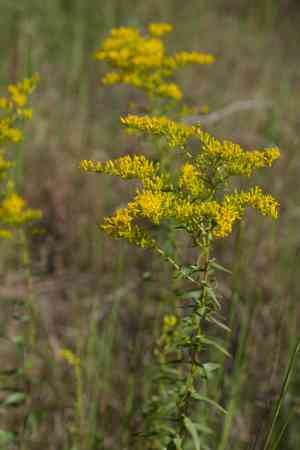
Anisescented goldenrod is a perennial plant recognized for its pleasant anise aroma and golden blossoms. Trim in early spring to eliminate deceased stalks and sculpt the plant, or following summer blooming to manage its dimensions and foster more compact development. Make sure to execute precise cuts directly above leaf junctions. Consistent trimming improves air circulation, lowers the chance of illness, and encourages abundant flowering. Refrain from extensive pruning late in the growing period to avert strain. Employ disinfected implements to ward off contamination and preserve the plant's well-being.
What Are the Benefits of Pruning Anisescented Goldenrod?
What Are the Benefits of Pruning Anisescented Goldenrod?
Trimming anisescented goldenrod stimulates robust development, ensuring the plant maintains its form and vitality. It also enhances air circulation, lowers the risk of pests and diseases, and boosts flowering, making the plant more appealing and manageable.
What Is the Best Time for Pruning Anisescented Goldenrod?
What Is the Best Time for Pruning Anisescented Goldenrod?
Pruning or trimming anisescented goldenrod during spring and summer is ideal as it aligns with the plant's natural growth cycle. In these seasons, anisescented goldenrod is actively developing, allowing it to recover faster from pruning. Additionally, spring pruning helps shape the plant and remove any winter-damaged or dead growth, fostering healthier and more vigorous new growth. Summer pruning, especially after the plant's main flowering period, can help maintain its shape and promote a healthier, fuller plant for the remainder of the growing season. These timings ensure anisescented goldenrod stays healthy, enhances its blooms, and avoids unnecessary stress that could result from pruning during dormant or excessively hot periods.
What Tools Do I Need to Prune Anisescented Goldenrod?
Bypass Pruners
Perfect for cleanly cutting live stems and branches, which is crucial for anisescented goldenrod to prevent disease and encourage healthy development.
Loppers
Useful for cutting thicker stems and branches too large for bypass pruners, ensuring anisescented goldenrod can be maintained without undue harm to larger growths.
Pruning Shears
Excellent for refining and shaping anisescented goldenrod, allowing for precise cuts and the removal of smaller, delicate stems.
Gloves
Essential for protecting hands from sap and sharp edges while pruning anisescented goldenrod, ensuring safety and comfort during the process.
How to Prune Anisescented Goldenrod
Preparation
Before pruning, ensure all tools are sanitized using a solution of one part bleach to ten parts water to prevent the spread of disease.
Assessment
Thoroughly inspect the plant to identify all diseased leaves, withered leaves, and diseased stems that require removal.
Remove Diseased Leaves
Using sterilized pruning shears, carefully snip off all diseased leaves, ensuring to cut back to healthy tissue to prevent further disease spread.
Remove Withered Leaves
Trim away any withered leaves, cutting close to the base of the leaf stem to encourage healthy new growth.
Remove Diseased Stems
Cut diseased stems back to a point where healthy, vigorous growth begins. Sterilize your shears between each cut to avoid cross-contamination.
Common Pruning Mistakes with Anisescented Goldenrod
Improper technique
Using dull or unclean tools which can cause jagged cuts and make the plant vulnerable to infections.
Excessive pruning
Removing too much foliage or stems, which can stress the plant and reduce its ability to photosynthesize and grow effectively.
Pruning at the wrong place
Cutting too close to the main stem, which can damage the plant's structure or make it prone to disease.
Common Pruning Tips for Anisescented Goldenrod
Use sharp, clean tools
Ensure your pruning shears or scissors are sharp and sanitized to make clean cuts and prevent infections.
Moderate pruning
Remove only about one-third of the plant's height or foliage to maintain its health and vigor.
Prune above a node
Make cuts just above a leaf node or bud to encourage new growth and a fuller appearance.
Remove dead or damaged stems
Identify and cut off any dead, diseased, or damaged stems to promote new, healthy growth.



