How to Transplant Western goldenrod?
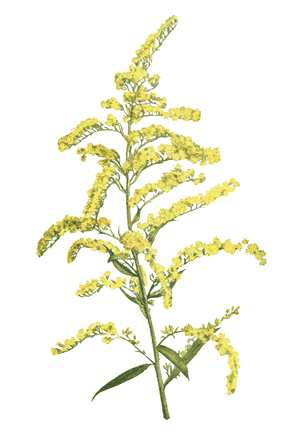
The ideal period for relocating western goldenrod spans from the beginning to the end of spring, enabling the plant to develop its root system prior to the intense summer temperatures. Select a site that receives full sun or partial shade, featuring soil that drains effectively. Provide sufficient irrigation to ensure successful adaptation.
What Preparations are Needed Before Transplanting Western Goldenrod?
What is the Ideal Time for Transplanting Western Goldenrod?
Western goldenrod, a perennial plant, flourishes when moved from early to late spring. This period capitalizes on optimal soil moisture and cooler temperatures, promoting healthier root establishment. Planting within this timeframe minimizes transplant shock and maximizes growth potential, providing a strong start for the growing season.
How Much Space Should You Leave Between Western Goldenrod Plants?
Ensure western goldenrod is planted with ample room to expand! Aim for a spacing of 18-24 inches (45-60 cm) between each individual plant. This allows for good air circulation and provides each plant the necessary space to thrive.
What is the Best Soil Mix for Western Goldenrod Transplanting?
Prepare the ground by selecting a well-draining soil, ideally a sandy or loamy type. Incorporating a base fertilizer, especially a balanced one like 10-10-10 (N-P-K), will help western goldenrod establish robustly. Work the fertilizer into the top 6 inches (15 cm) of soil.
Where Should You Relocate Your Western Goldenrod?
Locate a sunny spot for relocating western goldenrod. This plant prefers full sunlight, meaning it should receive at least 6 hours of direct sun daily. A site with morning sun and some afternoon shade can also be suitable.
What Equipments Should You Prepare Before Transplantation Western Goldenrod?
Gardening Gloves
To safeguard your hands while handling soil and the plant.
Shovel or Spade
For digging around the plant and preparing the new hole.
Garden Fork
To assist in gently lifting the plant if it is in the ground.
Watering Can or Hose
To hydrate the plant at its original spot and in its new location.
Wheelbarrow (optional)
To move the plant if it is large or heavy.
Mulch
To aid in retaining moisture around the newly transplanted plant.
Compost
To enrich the soil in the new planting hole.
How Do You Remove Western Goldenrod from the Soil?
How Do You Remove Western Goldenrod from the Soil?
From Ground: First, irrigate the western goldenrod plant to moisten the soil. Next, excavate a wide trench around the plant using a shovel or spade, ensuring the plant's root ball remains intact. Carefully work the spade beneath the root ball to lift the plant from its initial position.From Pot: Water the plant thoroughly before extraction. Gently tap the pot's sides to loosen the soil. Then, carefully invert the pot while supporting the plant, allowing it to slide out. If roots are coiled or circling, gently separate them.From Seedling Tray: Water the seedlings to ensure the soil is damp but not saturated. Use a small implement like a spoon or a transplanting trowel to lift each seedling from the tray, making sure to keep the root system undamaged.
Step-by-Step Guide for Transplanting Western Goldenrod
Site Preparation
Select a location with adequate sunlight and room for your western goldenrod plant to reach its mature size. Prepare a hole that is twice the width of the root ball and of the same depth.
Soil Enrichment
Combine the excavated soil with compost to enhance soil fertility, providing a soft and nutrient-rich environment for the roots.
Plant Placement
Position the western goldenrod plant in the center of the hole, ensuring it is at the same depth as it was in its previous location. Fill the hole with the enriched soil, gently pressing down to eliminate air pockets.
Watering
Thoroughly water the western goldenrod plant immediately after transplanting, ensuring the soil is well saturated.
Mulching
Apply a layer of mulch around the base of the western goldenrod plant to retain moisture and suppress weeds, being careful not to cover the stem.
How Do You Care For Western Goldenrod After Transplanting?
Watering
Keep the soil around the western goldenrod consistently moist, but not waterlogged, for the initial few weeks post-transplant to aid in establishing strong roots.
Monitoring
Regularly inspect the plant for indications of stress such as wilting or yellowing leaves, and confirm it's receiving the correct amount of water.
Mulch Maintenance
Replenish mulch as necessary to maintain a 2-3 inch layer, which helps retain moisture and regulate soil temperature.
Protection
If transplanting in a breezy area or during harsh weather, consider using a temporary windbreak or protective covering to shield the western goldenrod plant.
Troubleshooting Common Issues with Western Goldenrod Transplantation.
When is the best time to transplant western goldenrod?
The optimal period for transplanting is from early spring to late spring for western goldenrod.
How much space should I leave between western goldenrod plants?
Ensure a distance of 18-24 inches (45-60 cm) between each western goldenrod plant for optimal growth.
How do I prepare the soil for transplanting western goldenrod?
Loosen the top 12 inches (30 cm) of soil and mix in organic compost to enrich it.
Should I water western goldenrod immediately after transplanting?
Yes, water western goldenrod thoroughly right after transplanting to help settle the soil around the roots.
What should I do if western goldenrod wilts after transplanting?
Ensure adequate water and provide partial shade for a few days to help western goldenrod recover.
How deep should I plant western goldenrod after transplanting?
Plant western goldenrod at the same depth it was growing previously to avoid stress.
Is it necessary to trim western goldenrod before transplanting?
Trimming back the top growth by one-third can reduce transplant shock for western goldenrod.
How do I choose the right location for western goldenrod?
Select a sunny or partially shaded area with well-drained soil for western goldenrod.
Should I fertilize western goldenrod immediately after transplanting?
Wait until western goldenrod shows new growth before applying a balanced fertilizer, usually a few weeks after transplanting.
What can I do to prevent pests after transplanting western goldenrod?
Encourage beneficial insects and inspect western goldenrod regularly for early signs of pests.



