How to Propagate Western goldenrod?
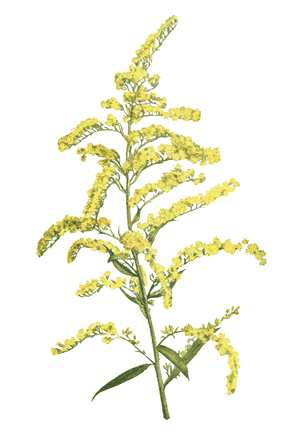
Solidago occidentalis is a robust perennial recognized for its vibrant yellow blooms. For best propagation results, utilize newly harvested seeds. Plant them in soil that drains effectively and apply a thin layer of covering, making sure they get sufficient light and hydration until sprouting occurs. Consistent irrigation is crucial in the initial phases. After sprouting, reduce the number of seedlings to avoid overpopulation. Diligent attention fosters thriving and abundant development of Solidago occidentalis.
Optimal Time for Western Goldenrod Propagation
Propagation Method
Seeding
Propagation Period
Spring
Tools for Western Goldenrod Propagation
Seedling Trays
Seedling trays are crucial for initiating the propagation process through seeds. They offer a controlled setting, fostering ideal moisture and air circulation for the seeds, which is vital for successful western goldenrod germination.
Seed Compost
Premium seed compost guarantees proper drainage and nourishment. For western goldenrod, well-draining compost helps prevent excessive wetness, which can hinder germination and encourage root decay.
Humidity Dome
Humidity domes aid in maintaining elevated humidity levels and a consistent temperature, creating an optimal microclimate for western goldenrod germination. This is especially beneficial to ensure seeds do not dry out during their initial stages.
Spray Bottle
A spray bottle offers a gentle method to moisten the soil without dislodging seeds. Consistent moisture levels are essential for western goldenrod germination, and a spray bottle helps maintain this equilibrium.
Propagation Heat Mat
A propagation heat mat keeps the soil at a steady, warm temperature, which is favorable for western goldenrod germination. This tool is particularly useful in colder climates or seasons.
Plant Labels
Accurate labeling of seedling trays assists in tracking various seed batches. For western goldenrod, using plant labels ensures efficient organization and monitoring throughout the propagation process.
Trowel
A small trowel is useful for moving seedlings to larger pots once they have developed a strong root system. For western goldenrod, this minimizes root disturbance and promotes healthy growth during transplanting.
How to Propagate Western Goldenrod?
Propagation Type
Simple
Caring for Newly Propagated Western Goldenrod
Caring for Newly Propagated Western Goldenrod
After transplanting, position western goldenrod in an area with full sun to partial shade. Water regularly to keep the soil moist but avoid saturation. Apply a balanced, slow-release fertilizer to support growth. Mulch around the plants to retain moisture and suppress weeds. Monitor for pests and diseases, and prune as needed to encourage healthy development.
Common Propagation Errors for Western Goldenrod
Incorrect Soil Type
Utilizing dense, poorly-drained soil that retains too much water can lead to root rot.
Overwatering
Providing excessive water, especially before roots are established, can cause roots to suffocate and decay.
Insufficient Light
Lack of adequate sunlight can result in weak, elongated growth, making western goldenrod less likely to flourish.
Improper Spacing
Planting too closely can lead to overcrowding, reducing air circulation and increasing susceptibility to fungal diseases.
Tips For Propagating Western Goldenrod
Use Well-Draining Soil
Ensure the soil is light and drains well to prevent water retention and root rot.
Moderate Watering
Water sparingly until roots are well-established, then increase as needed, keeping the soil consistently moist but never waterlogged.
Provide Adequate Sunlight
Place western goldenrod where it will receive full sun to encourage vigorous growth and blooming.
Space Appropriately
Plant individual western goldenrod specimens with sufficient distance between them to allow for good airflow and spreading room.



