How to Transplant Nightshade?
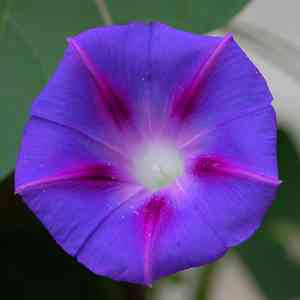
The most favorable time for relocating nightshade is from the latter part of spring through mid-summer, capitalizing on the robust growth of the season. Select a location that receives ample sunlight and possesses soil with good drainage. Careful manipulation of the root system during transplantation promotes superior integration.
What Preparations are Needed Before Transplanting Nightshade?
What is the Ideal Time for Transplanting Nightshade?
The optimal period for moving nightshade to a new location is when days are pleasant and evenings are mildly cool â typically from late spring through mid-summer. Relocating nightshade during this timeframe allows them to establish well, with sufficient opportunity to root and adapt before autumn's cold. This is the prime season for nightshade to thrive, as warm soil and moderate air temperatures encourage root development, leading to a strong, resilient plant.
How Much Space Should You Leave Between Nightshade Plants?
When getting ready to transplant your nightshade, aim to provide each plant ample room to flourish. Position them approximately 24-36 inches (61-91 cm) apart. This guarantees enough space for air circulation and growth, preventing congestion and fostering a healthy, thriving plant.
What is the Best Soil Mix for Nightshade Transplanting?
To create an inviting environment for your nightshade, prepare a well-draining soil with a neutral pH. Incorporating organic compost as a foundational fertilizer will supply your nightshade with essential nutrients. Starting with a rich, fertile base promotes vigorous growth and a lush plant.
Where Should You Relocate Your Nightshade?
Your nightshade loves sunlight! Select a spot where it can soak up full sun for most of the day. This sun-loving plant will reward you with stronger development and improved health when it receives abundant light, so seek out a bright, sunny location in your garden.
What Equipments Should You Prepare Before Transplantation Nightshade?
Gardening Gloves
To safeguard your hands while handling soil and plants.
Shovel or Spade
For excavating the nightshade plant from its original spot and preparing the new site in the ground.
Garden Fork
To loosen the soil surrounding the plant's roots without causing significant harm.
Wheelbarrow or Cart
For moving the nightshade plant from one place to another if necessary.
Watering Can or Hose
To thoroughly hydrate the plant before and after its relocation.
Pruning Shears
For trimming any damaged roots or foliage prior to transplanting.
How Do You Remove Nightshade from the Soil?
How Do You Remove Nightshade from the Soil?
From Ground: First, water the nightshade plant to moisten the soil. Then, dig a wide trench around the plant using a shovel or spade, ensuring the plant's root ball remains intact. Carefully work the spade beneath the root ball to lift the plant from its initial position.From Pot: Water the nightshade in its container to facilitate the removal of the root ball. Tilt the pot sideways and gently tap or press on the sides to loosen the plant. Slowly ease the plant out by the base of the stem, taking care not to pull and damage the plant.From Seedling Tray: Water the tray to make the soil damp. Use a garden fork or a similar tool to gently lift the seedling by pushing underneath the soil, being careful to keep the root ball intact. Hold the nightshade seedling by its leaves rather than the stem to prevent damage.
Step-by-Step Guide for Transplanting Nightshade
Preparation
Before lifting the nightshade, ensure all necessary tools are readily available. Wear your gardening gloves for protection.
Plant Removal
Depending on the nightshade's original location, follow the relevant instructions from the removal process to carefully extract the plant.
Prepare New Location
Dig a hole in the ground that is twice as wide and equally deep as the nightshade's root ball. Loosen the soil at the bottom of the hole with a garden fork.
Transplanting
Place the nightshade plant into the hole, ensuring it is at the same depth as it was in its previous spot. Backfill with soil and gently firm it down.
Watering
Immediately after planting, water the nightshade deeply to help settle the soil around the roots and eliminate air pockets.
How Do You Care For Nightshade After Transplanting?
Staking
If the nightshade is tall and prone to being moved by wind, consider using a stake for support. Gently tie the plant to the stake to keep it upright and secure.
Mulching
Apply a layer of organic mulch around the base of the nightshade to help retain moisture, regulate soil temperature, and reduce weed competition.
Pruning
Trim away any damaged or diseased foliage and roots observed during transplanting. This encourages new growth and aids the nightshade's quicker recovery.
Monitoring
Keep a close watch on the nightshade for indications of transplant shock, which may appear as wilting leaves or slow growth. Take action by ensuring optimal care and conditions.
Troubleshooting Common Issues with Nightshade Transplantation.
When's the best time to transplant nightshade?
Choose late spring to mid-summer, when the soil is warm and the danger of frost has passed.
What's the ideal spacing for transplanting nightshade?
Aim for spacing them 24-36 inches (61-91 cm) apart, giving roots ample room to grow.
How deep should I plant nightshade when transplanting?
Transplant nightshade so that the root ball sits level with the surrounding soil surface.
Can nightshade tolerate being transplanted in full sun?
Yes, nightshade thrives in full sun, but ensure it's well-watered after transplanting to avoid stress.
Why are my transplanted nightshade wilting?
Wilting can indicate shock. Water thoroughly and provide shade for a few days to help them recover.
How often should I water nightshade after transplanting?
Water deeply after transplanting, then regularly until established, ensuring the soil stays consistently moist.
Should I add fertilizer when transplanting nightshade?
Yes, adding a balanced, slow-release fertilizer can help nightshade establish in its new location.
Why is spacing important when transplanting nightshade?
Proper spacing allows for adequate air circulation and ensures each nightshade gets enough sunlight and nutrients.
Can I transplant nightshade during the heat of the day?
Transplant during cooler parts of the day, like early morning or evening, to reduce stress on nightshade.
How do I prepare the soil for transplanting nightshade?
Prepare the soil by loosening it and adding compost to provide a nutrient-rich environment for nightshade.



