How to Prune Nightshade?
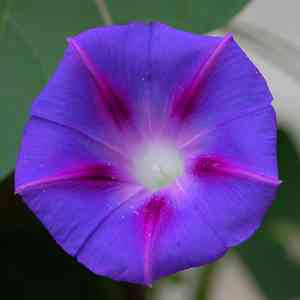
Recognized for its thorny stalks and violet blossoms, nightshade flourishes with judicious trimming. Cut back deceased or excessively long branches in late winter or early spring to encourage robust development and plant well-being. Eliminating aged fruit and dried foliage enhances light exposure and airflow. Refrain from severe pruning; instead, concentrate on preserving the plant's form and excising only essential growth. Consistent trimming also discourages pests and boosts fruit yield for this resilient variety.
What Are the Benefits of Pruning Nightshade?
What Are the Benefits of Pruning Nightshade?
Trimming nightshade encourages robust development and helps maintain its desired form. It can foster healthier, denser foliage and better nutrient distribution, which are vital for the species.
What Is the Best Time for Pruning Nightshade?
What Is the Best Time for Pruning Nightshade?
Late winter and early spring are optimal periods for nightshade pruning, coinciding with the plant's dormant phase. During late winter, reduced foliage makes the plant's structure more visible, enabling precise cuts. This timing also protects pruning wounds from extreme cold that could cause damage. Pruning in late winter to early spring revitalizes nightshade, stimulating healthy new growth as temperatures rise. Furthermore, this timing avoids the peak sap flow that can occur in late spring or summer, reducing plant stress and minimizing disease infiltration through cuts. Additionally, pruning before the growth cycle begins ensures the plant's energy is directed towards developing new shoots and leaves, promoting a vigorous growth season. Since nightshade blooms on new growth, pruning during this ideal window also sets the stage for abundant flowering and fruiting in the coming season.
What Tools Do I Need to Prune Nightshade?
Hand Pruners
For cutting thinner nightshade stems, hand pruners provide accurate cuts without causing unnecessary harm to the plant.
Loppers
For thicker branches that hand pruners cannot manage, loppers offer extended reach and greater leverage, allowing for clean cuts without excessive pressure on the nightshade plant.
Gloves
To shield hands from nightshade's thorns, durable gloves are essential. Leather or another thorn-resistant material should be utilized.
Pruning Saw
If the nightshade plant has developed very thick or woody stems, a pruning saw will be necessary to remove these branches.
Disinfectant
To prevent disease transmission, all tools should be sanitized before and after use on nightshade. A standard disinfectant or a bleach solution can be employed.
How to Prune Nightshade
Clean And Sharpen Tools
Before starting, ensure all pruning tools are clean and sharp to make precise cuts and prevent the spread of disease to nightshade.
Remove Diseased Parts
Identify and carefully trim away any diseased leaves and branches from nightshade, ensuring cuts are made at a healthy section below the affected area to fully eliminate any infected material.
Deadhead With Seed Prevention
Locate withered leaves and dead branches, and prune them off nightshade to encourage healthy growth and prevent unnecessary energy expenditure on seed production.
Thin Out Crowding
Thin out overly dense areas of nightshade by selectively pruning branches that are crossing or growing inward to improve airflow and light penetration.
Shape Plant
Finally, lightly shape nightshade by trimming any excessively long or misplaced branches to maintain the desired form and support vigorous growth.
Common Pruning Mistakes with Nightshade
Overpruning
Removing too much foliage or too many branches at once can stress nightshade, leading to stunted growth or reduced flowering. The plant should not be pruned so much that it loses its natural shape or protective mechanisms.
Improper Cutting Technique
Using dull tools or making jagged cuts can damage nightshade and increase the risk of disease. It is important to make clean, angled cuts just above leaf nodes to promote healing.
Ignoring Diseased Or Dead Material
Neglecting to remove diseased or dead branches can harm the overall health of nightshade as these parts can harbor pests and diseases.
Pruning Without Disinfecting
Not sanitizing pruning tools before and after use can spread disease to and from nightshade. Always clean tools to prevent transferring pathogens.
Lack Of Observance
Failing to observe the individual needs and responses of nightshade can lead to improper pruning practices. Each plant may have different requirements based on its environment and condition.
Common Pruning Tips for Nightshade
Sharp Clean Tools
Use sharp, clean pruning shears or scissors to ensure precise cuts that will heal quickly, thereby minimizing stress and disease risk to nightshade.
Selective Pruning
Target only the areas of nightshade that require trimming, such as dead or weak stems, and overcrowded or crossing branches to maintain plant health and shape.
Strategic Cut Location
Make cuts on nightshade just above leaf nodes at a 45-degree angle to encourage new growth and allow water run-off, which helps prevent rot and disease.
Monitor Plant Reaction
After pruning nightshade, observe its response to determine if additional trimming is necessary or if the plant requires recovery time.
Follow Growth Pattern
Understand the growth habit of nightshade to prune accordingly, which promotes healthy development and supports desired growth direction and structure.
Balanced Pruning
Maintain a balance when pruning nightshade by evening out the cuts around the plant. This approach prevents lopsided growth and ensures the stability and aesthetics of the plant.



