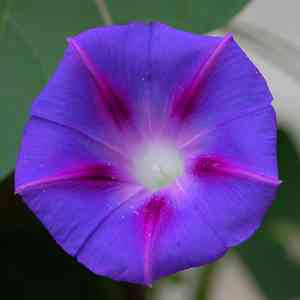
Nightshade (Solanum incanum)
Also known as: Bitter apple, Bitterball, Grey bitter-apple
Solanum incanum, often referred to as poison apple, Sodom apple, and thorn apple, has nicknames that underscore its poisonous nature. The plant's toxic fruit poses a notable risk to livestock and grazing animals, particularly in its native regions of Africa, where the plant is both widespread and highly invasive. Additionally, it serves as an effective pesticide, especially against cattle ticks.
In This Article
Attributes of Nightshade
Lifespan
Perennial
Plant Type
Shrub
Plant Height
1.5 m
Spread
0.5 to 1.5 meters
Leaf Color
Green
Flower Size
1 to 2 centimeters
Flower Color
Purple
Images of Nightshade
Quickly Identify Nightshade
1
The plant can be identified by its thorny stems and leaves, purple flowers with yellow anthers, and round yellow fruits that resemble small tomatoes.
Scientific Classification of Nightshade
Phylum
Vascular plants
Class
Dicotyledons
Order
Solanales
Family
Nightshade
Genus
Nightshades
Species
Nightshade
Planting and Growing of Nightshade
Care Difficulty
Easy
Watering Schedule
Every 2 days
Sunlight Requirements
Full sun
Sunshine Duration
4-8 hours
Ideal Temperature
68-86℉
Soil Type
Potting Mix, Peat Mix
Soil pH
6.5-7.5
Fertilizer Type
Balanced
Pruning Season
Spring, Summer
Pruning Area
Branches, Leaves
Pruning Frequency
2 times a year
Repotting Season
Spring
Pot Type
Plastic, Ceramic
 How to Water Nightshade?
When watering Solanum incanum, it's crucial to ensure the soil is moist but not waterlogged. A good rule of thumb is to water with approximately 250 milliliters until the water starts to drain from the bottom of the pot. This ensures that the roots receive adequate moisture without being drowned.
What are the symptoms of an underwatered Nightshade?
›
What should I do if my Nightshade is not getting enough water?
›
What are the symptoms of an overwatered Nightshade?
›
How to save an overwatered Nightshade?
›
 What Are the Sunlight Requirements for Nightshade?
Solanum incanum thrives best in full sun to partial sun conditions where it receives 6-8 hours of direct sunlight, promoting vigorous growth and improved photosynthetic activity.
More About Sunlight Requirements Techniques→
Solution for Optimal Light
›
Specific Measures for Light
›
Effects of Ideal Lighting
›
 What Is the Ideal Temperature Range for Nightshade?
Solanum incanum thrives in warmer environments with an ideal temperature range of 68 to 86 degrees Fahrenheit. This range ensures optimal growth and fruit production by providing suitable warmth and minimizing stress factors that can hinder the plant's development. Maintaining temperatures within this range helps replicate the plant's native habitat, contributing to more vigorous growth and higher resistance to pests and diseases.
 What Soil is Best for Nightshade?
Solanum incanum thrives in well-drained soil, which helps prevent root rot and ensures the roots have adequate oxygen. This characteristic fosters healthy growth and vibrant foliage, making it essential for optimal plant development. A moderate nutrient level in the soil is ideal for Solanum incanum. Excessive nutrients can lead to overly lush foliage with fewer flowers, while too little can stunt growth. Balancing these nutrients ensures vigorous growth and an abundance of blooms. Texture affects root penetration and water retention. Solanum incanum prefers soil that is neither too compact nor too loose, which allows roots to establish effectively and facilitates balanced moisture retention and drainage.
 How to Fertilize Nightshade?
For Solanum incanum, apply liquid fertilizer at a rate of half the recommended dosage for typical houseplants. This ensures that the plant receives nutrients without the risk of excess nutrient buildup, which can be harmful to its health.
 How to Prune Nightshade?
Start by identifying any dead, damaged, or diseased branches and remove them first. Next, look for branches that are crossing or growing inwards and trim them to improve air circulation and light penetration. Aim to cut about a quarter inch above a healthy node. Prune to maintain a balanced shape, ensuring the plant grows symmetrically. Do not remove more than a third of the plant at once, as this could stress the plant. Regular shaping helps in maintaining its aesthetic appeal and promotes denser growth.
More About Pruning Techniques→
 How to Propagate Nightshade plant?
1
Choose high-quality seeds from a reputable supplier to ensure good germination rates. Make sure the seeds are fresh and have been stored in a cool, dry place to maintain viability. Treat them with a fungicide if necessary to prevent any fungal infections during propagation.
2
Fill the seed starting trays with sterile potting mix and moisten it lightly. Sow the seeds evenly, maintaining desired spacing to prevent overcrowding. Lightly cover with a thin layer of the potting mix or vermiculite, and ensure the seeds receive appropriate lighting and warmth for germination.
3
When seedlings have developed two to three sets of true leaves, they are ready for transplanting. Carefully acclimate them to outdoor conditions by gradually increasing their exposure to sunlight over a week. Transplant them into larger pots or directly into the garden, ensuring proper spacing and soil conditions.
 How to Repot Nightshade plant?
1
Solanum incanum should be repotted when you notice that the roots are growing out of the drainage holes, or when water takes too long to drain after watering. Additionally, if the plant's growth seems stunted or the soil has become compacted, it's time for a change.
2
Select a pot that is only one size larger than the current one. It should have adequate drainage holes to prevent waterlogging. A slightly larger pot provides the roots with more space to grow without the risk of excessive soil holding too much moisture.
3
Opt for a light, well-draining sandy soil mix to ensure good aeration and moisture control. This keeps the roots healthy by preventing root rot and providing essential drainage that mimics the plant's natural habitat.
Toxicity
Ingestion of berries or other parts
WARNING
The judgment on toxicity and danger is for reference only. We DO NOT GUARANTEE any accuracy of such judgment. Therefore, you SHALL NOT rely on such judgment. It is IMPORTANT TO SEEK PROFESSIONAL ADVICE in advance when necessary.
Learn More About Nightshade Diseases
Anthracnose
Bacterial Leaf Spot
Bacterial Wilt
Chemical Injury
Damping-off
Downy Mildew
Drought Stress
Fusarium Wilt
Gray Mold
Late Blight
Leaf Curl
Leaf Spot
Mosaic
Nutrient Deficiency
Nutrient Toxicity
Powdery Mildew
Root Rot
Root-knot Nematode
Sooty Mold
Spider Mites
Temperature Stress
Thrips Damage
White Mold



