How to Transplant Kangaroo apple?
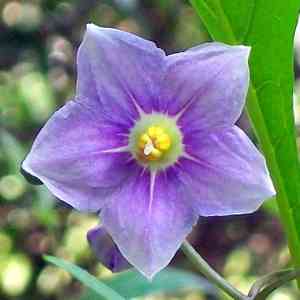
For kangaroo apple, the period spanning from early spring's unfreezing to late spring's warmth is ideal for relocation, allowing roots to settle prior to summer. Select a bright location with soil that drains effectively. Ensure the root mass remains undisturbed for an effortless shift.
Necessary Preparations Before Relocating Kangaroo Apple
Optimal Period for Moving Kangaroo Apple?
For kangaroo apple, the best time to move it is from the start of spring's thaw until just before summer's heat. This timing allows for strong root development before high temperatures. Moving kangaroo apple during this window maximizes growth potential, as the soil's moisture and warmth create ideal conditions for successful rooting. A helpful hint: Transplanting kangaroo apple now means you'll have a thriving plant by summer!
Required Spacing Between Kangaroo Apple Plants?
When moving your kangaroo apple, aim for a distance of 1.5-2.5 feet (45-76 cm). This provides your plants with ample room to thrive without being too crowded, ensuring they get sufficient nutrients and air circulation.
Ideal Soil Mixture for Kangaroo Apple Relocation?
For your kangaroo apple, select a soil that drains well and is rich in organic material. Prepare the ground with a balanced, slow-release fertilizer to give your kangaroo apple an excellent start. A pH level between 6.0 and 7.5 is perfect.
Where to Replant Your Kangaroo Apple?
Choose a sunny spot in your garden for your kangaroo apple, as they prefer full sunlight. Ensure the location receives 6 or more hours of direct sun daily. A little filtered shade in the late afternoon can be beneficial in warmer climates.
Equipment Needed Before Transplanting Kangaroo Apple
Gardening Gloves
To safeguard your hands while handling soil and kangaroo apple.
Spade or Shovel
For digging up the plant and preparing the new planting site.
Garden Fork
To loosen soil around the kangaroo apple's roots if needed.
Pruning Shears
For trimming damaged roots or sizing the root ball.
Watering Can or Garden Hose
To hydrate the kangaroo apple before and after its move.
Wheelbarrow or Tarp
To transport the kangaroo apple and manage soil during the process.
Organic Mulch
To help maintain soil moisture around kangaroo apple after its relocation.
How to Extract Kangaroo Apple from the Ground?
How to Extract Kangaroo Apple from the Ground?
From Ground: First, water the kangaroo apple plant to moisten the soil. Next, dig a wide trench around the plant using a shovel or spade, making sure the root ball stays intact. Carefully work the spade beneath the root ball to lift the kangaroo apple from its original spot.From Pot: Water the kangaroo apple thoroughly before beginning. Gently rotate the pot and tap its sides to loosen the root ball. Tip the pot sideways and carefully slide the plant out, supporting the main stem with one hand.From Seedling Tray: Water the seedlings to make the soil damp. Use a garden fork or similar tool to gently lift the kangaroo apple from its cell without pulling on the stem. Support the root ball to prevent it from breaking apart.
Step-by-Step Guide for Relocating Kangaroo Apple
Prepare the New Location
Dig a hole twice as wide as the root ball and of equal depth. Loosen the soil at the bottom and sides of the hole.
Root Ball Examination
Inspect the kangaroo apple's root ball for any roots that are circling or girdling and trim them if necessary.
Positioning the Plant
Place the kangaroo apple in the center of the hole at the same depth it was previously growing. Gently spread the roots if they are clustered together.
Backfilling the Hole
Carefully refill the hole with the excavated soil, gently firming it down to remove air pockets. Water the kangaroo apple to help the soil settle.
Mulching
Apply a layer of organic mulch around the base of the kangaroo apple, keeping it away from the stem to prevent rot.
Post-Transplant Care for Kangaroo Apple
Watering
Water the kangaroo apple thoroughly after transplanting. Then water regularly, allowing the soil to dry out slightly between waterings without letting the kangaroo apple wilt.
Staking
If the kangaroo apple is tall or unstable, gently stake it to provide support as it establishes itself.
Pruning
Trim off any damaged or diseased leaves and branches to reduce stress on the kangaroo apple and encourage new growth.
Pest Monitoring
Regularly check for pests and diseases, and take prompt action if any are detected.
Addressing Common Issues with Kangaroo Apple Relocation.
When is the best time to move kangaroo apple?
The ideal time for kangaroo apple relocation is from early to late spring, providing a favorable environment for root establishment.
How much space does kangaroo apple require between plants?
Allow a generous spread of 1.5-2.5 feet (45-76 cm) between kangaroo apple plants for healthy growth and proper air circulation.
Why is my relocated kangaroo apple wilting?
Wilting after transplanting could indicate shock. Keep the soil moist and provide shade to aid recovery during the initial phase.
How deep should I plant kangaroo apple's roots?
Kangaroo apple roots should be planted at the same depth they were previously growing. Avoid burying stems to prevent rot.
Can I move kangaroo apple during the summer?
It's risky; kangaroo apple establishes best in cooler spring weather. If unavoidable, ensure ample water and shade to minimize stress.
What soil conditions benefit kangaroo apple after transplanting?
Aim for well-draining soil rich in organic matter, with a slightly acidic to neutral pH, to promote robust growth of kangaroo apple.
How do I prevent transplant shock in kangaroo apple?
Gradually acclimate kangaroo apple to outdoor conditions, keep roots intact during transplanting, and water consistently afterward to ease the transition.
Should I prune kangaroo apple when transplanting?
Light pruning can help kangaroo apple focus on root development. Trim back a third of the plant to encourage new growth.
How often should I water kangaroo apple post-transplant?
Water kangaroo apple deeply after transplanting, then regularly as new roots establish. Allow the top inch of soil to dry between waterings.
What type of fertilizer should I use for kangaroo apple?
Use a balanced, slow-release fertilizer post-transplant to provide essential nutrients without overwhelming kangaroo apple.



