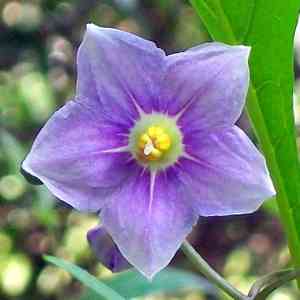
Kangaroo apple (Solanum aviculare)
Also known as: Kangaroo Apple, Poroporo, New Zealand Nightshade
Kangaroo apple (Solanum aviculare) is an evergreen shrub often utilized as an ornamental hedge due to its dense foliage. Despite its toxicity, the plant has notable commercial applications. Its ripe fruits are incorporated into cosmetics, and the seed oil is a valuable ingredient in various cosmetic products.
In This Article
Attributes of Kangaroo apple
Lifespan
Perennial
Plant Type
Shrub
Plant Height
4 m
Spread
1.5 m to 2.5 m
Leaf Color
Dark green to purplish-green
Flower Size
2.5 cm to 4 cm
Flower Color
Purple Blue White
Images of Kangaroo apple
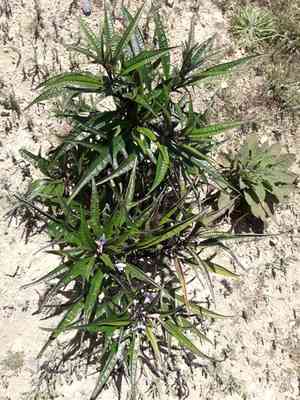
Quickly Identify Kangaroo apple
1
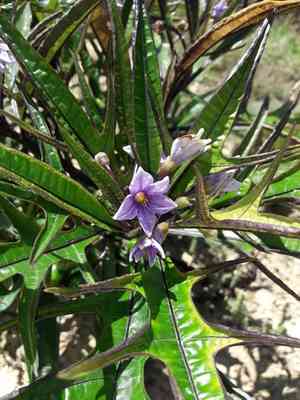
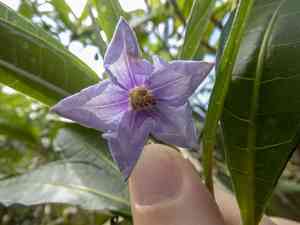
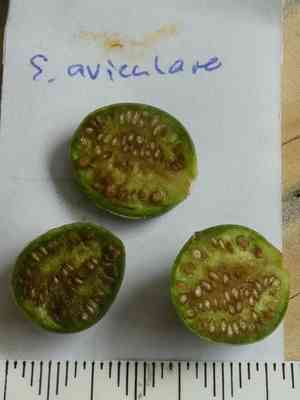
Look for a shrub with lobed leaves that are dark green to purplish-green. Flowers are star-shaped and can be purple, white, or bluish, with a central yellow/orange anthers. The fruit is egg-shaped and changes from green to orange-yellow as it matures.
Scientific Classification of Kangaroo apple
Phylum
Vascular plants
Class
Dicotyledons
Order
Solanales
Family
Nightshade
Genus
Nightshades
Species
Kangaroo apple
Planting and Growing of Kangaroo apple
Care Difficulty
Easy
Watering Schedule
Every 4 days
Sunlight Requirements
Partial sun
Sunshine Duration
4-8 hours
Ideal Temperature
60-75℉
Soil Type
Potting Mix, Peat Mix
Soil pH
6.5-7.5
Fertilizer Type
Balanced
Pruning Season
Spring, Summer
Pruning Area
Branches, Leaves
Pruning Frequency
2 times a year
Repotting Season
Spring
Pot Type
Plastic, Terracotta
 How to Water Kangaroo apple?
Solanum aviculare prefers consistent moisture, so it's crucial to water them until the soil is thoroughly moist but not waterlogged. The aim is to ensure water reaches the root level, allowing the plant to absorb it efficiently. Approximately 500ml should be sufficient for a medium-sized plant.
What are the symptoms of an underwatered Kangaroo apple?
›
What should I do if my Kangaroo apple is not getting enough water?
›
What are the symptoms of an overwatered Kangaroo apple?
›
How to save an overwatered Kangaroo apple?
›
 What Are the Sunlight Requirements for Kangaroo apple?
Partial sun offers the best conditions for Solanum aviculare, promoting robust and vibrant growth. Adequate light allows for balanced photosynthesis, vital for flowering and fruiting processes.
More About Sunlight Requirements Techniques→
How to ensure Solanum aviculare gets ideal sunlight exposure?
›
What's the best strategy for managing sunlight exposure?
›
What benefits are expected with optimal sunlight exposure?
›
 What Is the Ideal Temperature Range for Kangaroo apple?
The ideal temperature range for growing Solanum aviculare is between 60°F and 75°F. This range provides the optimal conditions for photosynthesis and metabolic activities, promoting healthy growth and flowering. Maintaining this temperature helps the plant to establish strong roots and exhibit robust foliage.
 What Soil is Best for Kangaroo apple?
Solanum aviculare prefers well-drained soil to prevent waterlogging and root rot. Ensuring good drainage promotes healthier root systems, leading to vigorous plant growth and better fruit production. This plant thrives in soils with moderate nutrient levels. Providing a balanced nutrient availability supports steady growth and enhances the plant's resistance to pests and diseases. Incorporating organic matter such as compost into the soil improves its structure and moisture retention. This boosts the plant's overall health, making it more resilient to environmental stresses.
 How to Fertilize Kangaroo apple?
Solanum aviculare responds well to moderate fertilization. It requires approximately 10 grams of balanced NPK fertilizer per plant during the growing season. Ensure the fertilizer is evenly spread around the root zone, avoiding direct contact with the stem to prevent root burn.
 How to Prune Kangaroo apple?
Start by inspecting the plant for any dead or diseased branches. Use sharp, sterilized pruning shears to cut these away at a 45-degree angle. Focus on thinning out the plant's center to improve air circulation, which helps prevent fungal diseases. Trim back any wayward branches to maintain the desired shape of your Solanum aviculare, ensuring even growth throughout. For a bushier appearance, pinch back the tips of new growth. This encourages the plant to produce side shoots rather than growing tall and leggy. Make your cuts just above a set of leaves or a node to promote vigorous new growth and enhance the plant's overall structure.
More About Pruning Techniques→
 How to Propagate Kangaroo apple plant?
1
Harvest seeds from the fruit of Solanum aviculare once it has ripened. Clean the seeds thoroughly to remove any pulp and allow them to dry in a cool, dark place before planting.
2
Select healthy stems and cut a section 10-15 cm long. Remove the leaves from the lower half to reduce moisture loss and place the cutting in rooting hormone before planting.
3
For seeds, place them on the surface of a well-draining mix and cover lightly with soil. For cuttings, insert them into the soil, ensuring half the cutting is submerged. Water thoroughly.
 How to Repot Kangaroo apple plant?
1
You should consider repotting Solanum aviculare when you see roots coming out of the drainage holes. Additionally, if the growth has slowed despite optimal care, or the soil dries out very quickly after watering, these are signs that your plant might be root-bound and needs a larger pot.
2
Select a pot that is one size larger than the current one, providing just enough space for root growth without overwhelming the plant. The pot should have good drainage to prevent water from accumulating, which can help reduce the risk of root rot.
3
Opt for a well-draining potting mix that can retain some moisture but allows excess water to escape easily. This type of soil provides aeration to the roots, supports healthy growth, and prevents root rot by not staying too soggy after watering.
Toxicity
ingestion
WARNING
The judgment on toxicity and danger is for reference only. We DO NOT GUARANTEE any accuracy of such judgment. Therefore, you SHALL NOT rely on such judgment. It is IMPORTANT TO SEEK PROFESSIONAL ADVICE in advance when necessary.
Learn More About Kangaroo apple Diseases
Anthracnose
Bacterial Leaf Spot
Bacterial Soft Rot
Bacterial Wilt
Black Spot
Chemical Injury
Crown Gall
Cyst Nematode
Damping-off
Downy Mildew
Drought Stress
Fusarium Wilt
Gray Mold
Late Blight
Leaf Curl
Leaf Spot
Mosaic
Nutrient Deficiency
Nutrient Toxicity
Powdery Mildew
Root Rot
Root-knot Nematode
Rusts
Sooty Mold
Spider Mites
Temperature Stress
Thrips Damage
White Mold



