How to Propagate Kangaroo apple?
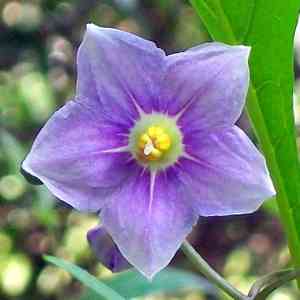
Originating from Australia and New Zealand, the kangaroo apple is recognized for its vibrant orange fruits and violet blossoms. Successful propagation is accomplished by planting its seeds. It is crucial to utilize a potting blend that drains effectively and to supply ample warmth and humidity for sprouting. After emergence, young plants need gentle treatment to prevent harm to their fragile root systems. Germinating indoors and transplanting once established can result in robust specimens.
Optimal Time for Kangaroo Apple Propagation
Propagation Method
Cutting
Propagation Period
Spring,Summer
Tools Required for Kangaroo Apple Propagation
Sharp pruning shears
These are vital for making clean, precise cuts on Kangaroo Apple branches when preparing cuttings. Accurate cuts help prevent damage to the parent plant and ensure the cuttings have a healthy start. A sharp, non-crushed cutting surface is less prone to infection and encourages faster root development.
Rooting hormone powder
This encourages root development in Kangaroo Apple cuttings, significantly boosting the chances of successful propagation. The hormone stimulates root cell growth at the cut site, which is crucial for Kangaroo Apple as it helps the plant establish itself more quickly and robustly in a new environment.
Sterile potting mix
Used for planting the prepared cuttings, a sterile potting mix ensures that Kangaroo Apple is not exposed to pathogens that could cause disease. The mix should be light and well-draining to support moisture retention and air circulation around the newly developing roots.
Humidity dome or plastic cover
Maintaining a high humidity environment is crucial for Kangaroo Apple cuttings to prevent them from drying out before they can establish roots. A dome or cover helps retain moisture in the air around the cuttings, mimicking Kangaroo Apple's natural humid habitat and aiding in successful root development.
How to Propagate Kangaroo Apple?
Propagation Type
Moderately Difficult
Caring for Your Newly Propagated Kangaroo Apple
Caring for Your Newly Propagated Kangaroo Apple
Once roots are established, gradually introduce the new Kangaroo Apple plant to drier conditions by removing the plastic cover over several weeks. Transplant the plant to a larger container as it grows. Ensure it receives ample sunlight, moderate irrigation, and occasional feeding with a balanced fertilizer. Shield Kangaroo Apple from frost and excessively cold temperatures.
Common Errors to Avoid When Propagating Kangaroo Apple
Overwatering
Excessive watering of Kangaroo Apple seedlings can lead to root rot, as their roots are particularly vulnerable to surplus soil moisture. This condition impairs the plant's ability to absorb nutrients and can be fatal if not corrected.
Insufficient light during seed germination
Placing Kangaroo Apple seeds in an area with inadequate light can result in weak seedlings due to etiolation. This causes the plant to stretch towards the light source, compromising its overall structure and vigor.
Planting seeds too deep
Kangaroo Apple seeds planted too deep may struggle to break the soil surface, leading to poor or failed germination. This mistake can drastically reduce the propagation success rate.
Advice for Propagating Kangaroo Apple
Utilize well-draining soil
For Kangaroo Apple, employing well-draining soil is crucial to prevent waterlogging and subsequent root diseases. Well-draining soil supports healthy root development which is vital for the overall growth of the plant.
Provide ample light after germination
Once germinated, Kangaroo Apple seedlings require sufficient direct light to develop strong and healthy foliage. Adequate lighting is pivotal for photosynthesis and contributes to robust growth.
Moderate watering regime
Establishing a consistent, moderate watering regime helps to keep Kangaroo Apple's soil evenly moist but not waterlogged. This balance is crucial to prevent root rot while providing enough moisture for healthy plant development.



