How to Transplant Rose ginger?
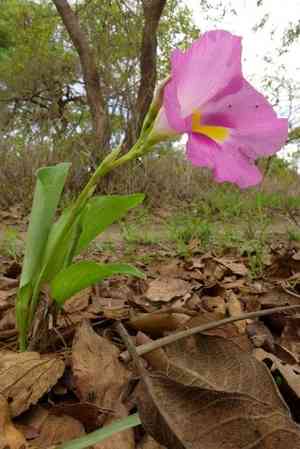
Rose ginger flourishes when relocated from early to late spring, benefiting from ideal growing circumstances. Select a location that receives ample sunlight or partial shade, featuring soil that drains effectively. Verify that the chosen site offers shelter from powerful gusts to encourage successful rooting.
Necessary Preparations Before Relocating Rose Ginger?
Optimal Period for Relocating Rose Ginger?
Relocating rose ginger during the initial to mid-spring period is perfect as it enables the plant to establish its root system prior to the active growth phase. This timing provides benefits of ideal soil moisture and temperatures, promoting robust growth and development. Early relocation also lessens transplant shock, enhancing the overall health and longevity of this perennial.
Required Spacing Between Rose Ginger Plants?
When relocating rose ginger, position each plant approximately 12 inches (30 cm) apart. This provides ample room for them to develop healthily and strongly, allowing each sufficient area for root and foliage expansion.
Best Soil Mixture for Rose Ginger Relocation?
Select well-draining soil rich in organic material for rose ginger. A blend of loam and compost is most effective. Prior to relocation, incorporate a base fertilizer, such as a balanced 10-10-10 formula, to provide the plants with a nutrient boost.
Ideal New Location for Your Rose Ginger?
Place rose ginger in an area where it will receive partial to full sunlight, ideally 4-6 hours of sun daily. This ensures they develop with vibrant colors and healthy foliage.
Equipment to Prepare Before Relocating Rose Ginger?
Gardening Gloves
To safeguard your hands while handling soil and plants.
Shovel or Spade
For digging around and beneath the plant for removal.
Hand Trowel
Useful for precise digging and root ball handling.
Watering Can or Hose
To hydrate the plant before and after relocation.
Pruning Shears
To trim any damaged or excessively long roots or leaves.
Compost or Organic Mulch
To enrich the new planting spot.
How to Extract Rose Ginger from the Soil?
How to Extract Rose Ginger from the Soil?
From Ground: First, moisten the rose ginger plant to dampen the soil. Then, excavate a wide trench around the plant using a shovel or spade, ensuring the plant's root ball remains intact. Carefully work the spade under the root ball to lift the plant from its original position.From Pot: Gently water the soil to facilitate removal. Tap the pot's sides to loosen the soil. Hold the base of the rose ginger plant and carefully pull it out, tapping the pot if needed to release the root ball.From Seedling Tray: Water the soil to keep the root ball cohesive. Loosen the soil around the seedlings using a hand trowel. Carefully lift the seedlings out, taking care not to harm the roots.
Step-by-Step Guide for Relocating Rose Ginger
Prepare the New Site
Ensure the new planting area is clear of weeds and debris. Dig a hole twice the width of the root ball and to a depth matching the rose ginger's original planting depth.
Remove the Plant
Follow the instructions for extracting the plant from its initial location, making sure the root ball stays intact.
Inspect the Root Ball
Examine the roots for any damage or circling growth. Trim any compromised sections with pruning shears.
Plant in the New Site
Place the rose ginger in the new hole, gently spreading its roots. Fill the hole with soil and lightly press it down to eliminate air pockets without over-compacting the soil.
Water the Plant
Thoroughly water the rose ginger after planting to help the soil settle around the roots.
Post-Relocation Care for Rose Ginger?
Watering
Maintain consistently moist, but not waterlogged, soil around the rose ginger for the initial weeks after relocation to aid in strong root establishment.
Mulching
Apply a layer of compost or organic mulch around the plant's base to retain moisture and regulate soil temperature.
Monitoring
Observe the rose ginger for indications of transplant shock, such as wilting or yellowing leaves, and provide additional care if necessary.
Pruning
Trim back any damaged foliage to help the plant prioritize root development.
Addressing Common Issues with Rose Ginger Relocation.
When is the best time to relocate rose ginger?
The optimal period to relocate rose ginger is from early spring to late spring for superior growth.
How much space should I leave between rose ginger plants?
Ensure a 12-inch (30 cm) spacing between each rose ginger plant for healthy development.
How should I prepare the new planting site for rose ginger?
Loosen the soil and incorporate compost to enrich it before relocating rose ginger to the new site.
Should I water rose ginger immediately after relocating?
Yes, thoroughly water rose ginger right after relocation to help settle the soil and reduce stress.
How deep should I plant rose ginger in its new location?
Plant rose ginger at the same depth it was previously growing to avoid burying the stem too deeply.
What should I do if rose ginger shows signs of transplant shock?
Keep rose ginger well-hydrated and shield it from intense sunlight to aid its recovery from transplant shock.
How can I reduce the risk of root damage when relocating rose ginger?
Gently loosen and separate the roots, avoiding any tearing to minimize stress on rose ginger.
Is it necessary to prune rose ginger before relocating?
Pruning dead or damaged leaves before relocation helps rose ginger focus on root establishment.
Can I use fertilizers when relocating rose ginger?
Use a balanced fertilizer sparingly to prevent root burn; compost is a safer option for rose ginger.
How long does rose ginger take to establish in a new location?
It typically takes a few weeks for rose ginger to establish, requiring consistent care during this period.



