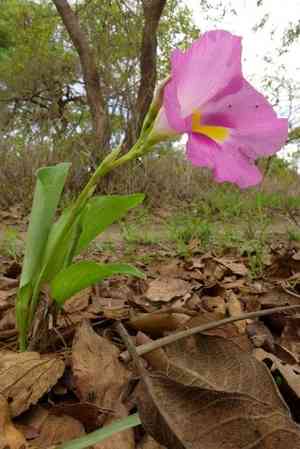
Rose ginger (Siphonochilus kirkii)
Also known as: Wild ginger
Rose ginger is a perennial herb with a strikingly aromatic rhizome that sets it apart. Sporting lush green leaves and tubular, light pink to red flowers, rose ginger thrives in the understories of African woodlands. Its robust nature allows it to survive in the dappled light, where its bright blooms attract pollinators, playing a key role in its reproduction.
In This Article
Attributes of Rose ginger
Lifespan
Perennial
Plant Type
Herb
Plant Height
0.3 to 1 meter
Spread
Approximately 0.3 meters
Leaf Color
Green
Flower Size
2 to 3 centimeters
Flower Color
Pale violet or lavender
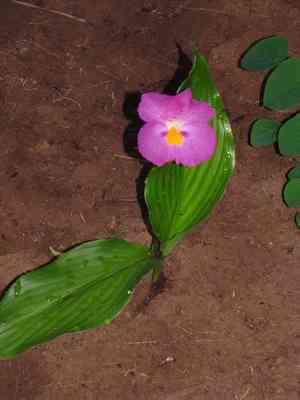
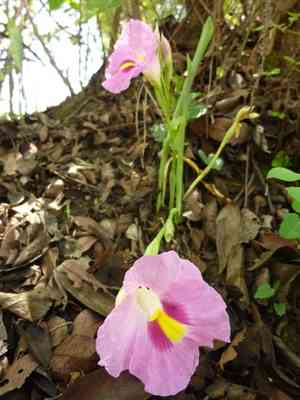
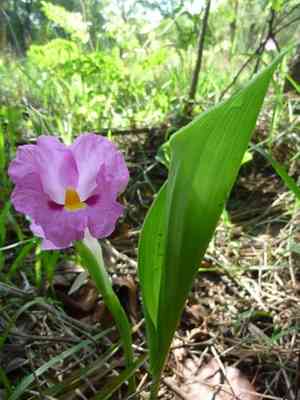
Images of Rose ginger
Quickly Identify Rose ginger
1
Siphonochilus kirkii can be identified by its aromatic rhizomes, lanceolate leaves, and pale violet or lavender flowers. The plant typically has a single leafy shoot arising from the rhizome.
Scientific Classification of Rose ginger
Phylum
Vascular plants
Class
Monocotyledons
Order
Zingiberales
Family
Ginger
Genus
Siphonochilus
Species
Rose ginger
Planting and Growing of Rose ginger
Care Difficulty
Hard
Watering Schedule
Every 2 days
Sunlight Requirements
Partial sun
Sunshine Duration
4-6 hours
Ideal Temperature
60-75℉
Soil Type
Potting Mix, Peat Mix
Soil pH
6.5-7.5
Fertilizer Type
Balanced
Pruning Season
Spring, Summer
Pruning Area
Branches, Leaves
Pruning Frequency
Once a year
Repotting Season
Spring
Pot Type
Plastic, Ceramic
 How to Water Rose ginger?
For Siphonochilus kirkii, it's crucial to water enough to moisten the soil without causing it to become soggy. Aim for about 250 ml per watering session, carefully ensuring the water seeps into the roots and the top soil dries out between sessions to prevent root rot.
What are the symptoms of an underwatered Rose ginger?
›
What should I do if my Rose ginger is not getting enough water?
›
What are the symptoms of an overwatered Rose ginger?
›
How to save an overwatered Rose ginger?
›
 What Are the Sunlight Requirements for Rose ginger?
The ideal light range for Siphonochilus kirkii is partial sun to full shade. This range supports photosynthesis while preventing foliage damage, promoting a healthy, thriving plant.
What is the best light for Siphonochilus kirkii?
›
How can I achieve the ideal lighting?
›
What benefits does ideal lighting offer?
›
 What Is the Ideal Temperature Range for Rose ginger?
For optimal growth, Siphonochilus kirkii thrives in temperatures between 60°F and 75°F. This range allows the plant to maintain proper metabolic functions, ensuring healthy growth and vibrant foliage.
 What Soil is Best for Rose ginger?
Siphonochilus kirkii thrives in well-drained soils that prevent waterlogging. This ensures the roots have access to oxygen, minimizes root rot, and promotes healthy growth. Enriching the soil with organic matter like compost boosts nutrient availability, enhancing the vigor and resilience of Siphonochilus kirkii. Organic matter also aids in moisture retention and soil structure improvements. The plant prefers soils that retain moderate levels of moisture without becoming overly saturated. This balance helps in maintaining adequate hydration while preventing potential fungal diseases.
 How to Fertilize Rose ginger?
For Siphonochilus kirkii, it's crucial to be gentle with fertilizers. Use a balanced fertilizer at half the recommended strength to avoid burning the roots. Too much fertilizer can harm the plant, especially if it is in a dormant stage.
 How to Prune Rose ginger?
For Siphonochilus kirkii, begin by using sterilized, sharp shears to cut away any dead or withered stems at the base. Focus on shaping the plant by trimming overgrown branches, ensuring a rounded and even structure. This fosters new growth and prevents the plant from becoming unruly. Encourage vigorous flowering by snipping faded blooms right below the flower head. This redirects the plant's energy into fresher growth and helps sustain its bright, ornamental appearance. Pay attention to any tangled roots, pruning them lightly to encourage proper root development.
More About Pruning Techniques→
 How to Propagate Rose ginger plant?
1
Gently dig up the plant's rhizomes, ensuring to keep as much of the root system intact as possible. Divide the rhizomes into sections, each with a few buds, and replant them in well-draining soil. Water thoroughly after planting.
2
Collect seeds from mature Siphonochilus kirkii plants and plant them in a prepared seed tray. Lightly cover the seeds with soil and water to keep the soil moist but not waterlogged. Place the tray in a warm location.
3
After planting, water the new divisions or sown seeds gently to settle the soil. Ensure the water reaches the roots but avoid overwatering to prevent root rot.
 How to Repot Rose ginger plant?
1
Repot your Siphonochilus kirkii when you notice signs such as roots emerging from the drainage holes or slower growth than usual. Spring is an ideal time as the plant will be entering its growth phase, providing an opportunity to acclimate effectively to the new environment.
2
Select a pot that is one size larger than the current one and has adequate drainage holes. The new pot should allow room for growth, offering enough space for the root system to expand, which ultimately leads to a healthier plant.
3
Opt for a loamy, well-draining soil mix to ensure that the plant's roots do not remain waterlogged. This soil type provides the necessary aeration and moisture retention needed for the plant to thrive in its new environment.
Learn More About Rose ginger Diseases
Anthracnose
Bacterial Leaf Spot
Bacterial Soft Rot
Bacterial Wilt
Black Spot
Chemical Injury
Crown Gall
Damping-off
Downy Mildew
Drought Stress
Fusarium Wilt
Gray Mold
Leaf Spot
Mosaic
Nutrient Deficiency
Nutrient Toxicity
Powdery Mildew
Root Rot
Root-knot Nematode
Rusts
Sooty Mold
Spider Mites
Temperature Stress
Thrips Damage
White Mold



