How to Propagate Rose ginger?
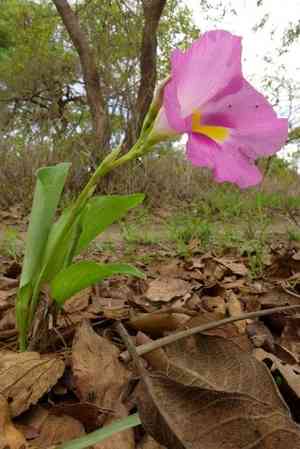
Rose ginger is a prized botanical specimen, offering both aesthetic appeal and therapeutic benefits. Its reproduction is best accomplished by employing its rhizomes. Choose robust rhizomes, embed them in soil that drains efficiently, and provide measured irrigation to avert decay. Guaranteeing abundant illumination and adequate distance between plants will foster robust development. Verify cultivation methods with reputable gardening references for peak outcomes.
When Is the Optimal Time to Propagate Rose Ginger?
Propagation Method
UtilizeTheTubers
Propagation Period
Spring
What Implements Are Employed in Rose Ginger Propagation?
Tuber Knife
A keen, sanitized tuber knife is crucial for precisely severing rose ginger tubers without harm or introducing pathogens. It guarantees clean cuts that encourage rapid healing and lessen the chance of decay.
Disinfectant Solution
Employing a disinfectant solution, such as hydrogen peroxide or a diluted bleach mixture, is vital for sanitizing the tuber knife and all other instruments. This measure aids in preventing disease transmission and ensures a healthy propagation setting.
Rooting Hormone
Rooting hormone in powder or gel form can be applied to the cut surfaces of the tubers to boost root formation. This is especially advantageous for rose ginger as it accelerates the rooting process and elevates the propagation success rate.
Propagation Trays
Propagation trays filled with an appropriate rooting medium, like a blend of peat and perlite, offer a regulated environment for tubers to develop roots. The trays help maintain steady moisture levels and temperature, which are essential for rose ginger.
Humidity Dome
A humidity dome positioned over the propagation trays sustains high humidity, which is important for tuberous plants such as rose ginger. It reduces water loss through transpiration and establishes an ideal microclimate for root development.
Heat Mat
Using a heat mat beneath the propagation trays provides warmth from below, which benefits rose ginger by fostering quicker root growth through maintaining an optimal soil temperature.
Watering Can with Fine Rose
A watering can fitted with a fine rose ensures gentle and uniform irrigation of the tubers. It helps prevent dislodging tubers or causing waterlogging, which is critical for the healthy propagation of rose ginger.
Label and Marker
Accurate labeling of the propagated tubers in the trays is fundamental for tracking different varieties or batches. A durable marker ensures the labels remain readable throughout the propagation duration.
Scalpel or Grafting Knife
For more exact or delicate cuts, a scalpel or grafting knife can be utilized. These are particularly useful for making finer incisions on rose ginger tubers to prepare them for rooting.
How to Propagate Rose Ginger?
Propagation Type
Simple
How to Care for Your Newly Propagated Rose Ginger?
How to Care for Your Newly Propagated Rose Ginger?
Following rose ginger propagation, continue to monitor soil moisture, ensuring it stays consistently damp but not waterlogged. Fertilize monthly during the active growth period with a balanced, soluble fertilizer. Shield rose ginger from frost and extreme cold by moving potted plants indoors or mulching garden plants. Regularly inspect for pests and diseases, and address any issues promptly to ensure robust growth.
Common Errors to Avoid When Propagating Rose Ginger
Overwatering
Excessive moisture can lead to root decay, hindering growth and potentially killing the plant.
Improper Soil Mix
Using dense or clay-rich soils can result in poor drainage, causing root suffocation.
Lack of Sterilization
Employing unsterilized tools or media can introduce pathogens, leading to diseases and impacting propagation success.
Inadequate Light
Placing rose ginger in areas with insufficient illumination can impede growth and diminish the plant's vitality.
Incorrect Planting Depth
Planting too deeply or too shallowly can obstruct root development and overall stability.
Tips For Propagating Rose Ginger
Well-draining Soil
Utilize a light, well-draining soil mixture to prevent waterlogging and encourage healthy root development.
Moist but not Soggy
Maintain consistent moisture levels, but avoid allowing the soil to become excessively wet.
Clean Equipment
Always sanitize tools and propagation media to minimize the risk of diseases.
Adequate Light
Provide bright, indirect light to support photosynthesis and vigorous growth.
Correct Depth
Plant rhizomes just beneath the soil surface, ensuring they are covered but not too deep.



