How to Transplant Sea campion?
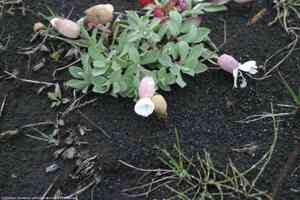
For optimal outcomes, transplant sea campion as the garden revivesâusually from early to mid-spring. Select a location offering excellent drainage and partial sunlight, carefully assisting the roots in their adjustment. A gentle reminder: these are general recommendations derived from established methods.
Essential Preparations Before Relocating Sea Campion?
Optimal Period for Moving Sea Campion?
The prime window for relocating sea campion is during the refreshing period of early to mid-spring. This timing ensures the plant benefits from milder temperatures and moist soil, fostering strong root development and adaptation in its new spot. Introducing sea campion to your garden at this point allows it to settle before the intensity of summer growth, establishing a base for robust health and beauty.
Recommended Spacing Between Sea Campion Plants?
New gardeners, please ensure each sea campion is positioned approximately 1-2 feet (30-60 cm) from adjacent plants. This suggested spacing will support healthy growth and development for every individual plant.
Best Soil Blend for Sea Campion Relocation?
Achieving the right soil for sea campion is vital. Opt for loamy or sandy soil with effective drainage. An initial fertilizer rich in organic material would be perfect. Prepare the soil by mixing in compost or aged manure prior to planting.
Where to Replant Your Sea Campion?
For sea campion to flourish, a spot with full sun exposure or light shade is ideal. This sun orientation encourages blooming and guarantees the plant receives adequate sunlight, which is necessary for photosynthesis.
Equipment Needed Before Transplanting Sea Campion?
Gardening Gloves
To safeguard your hands while handling soil and the plant.
Garden Trowel
Useful for digging small holes and shifting minor amounts of soil.
Spade or Shovel
Helpful for lifting the plant from its original spot, especially if it's in the ground.
Garden Pruners
To trim any dead or overgrown sections of the plant before moving it.
Watering Can
Crucial for hydrating the plant during the relocation process.
Wheelbarrow
Convenient for moving the plant and any extra soil that might be required.
Transplanting Fertilizer
A gentle formula to aid the plant in establishing itself in its new location.
Mulch
To shield the newly transplanted plant from harsh weather and retain soil moisture.
How to Extract Sea Campion from the Soil?
How to Extract Sea Campion from the Soil?
From Ground: First, water the sea campion plant to soften the soil. Then, dig a wide trench around the plant using your spade or shovel, making sure to keep the root ball intact. Gently work the spade under the root ball to lift the plant from its initial position.From Pot: If the plant is currently in a pot, water it before starting. Next, carefully invert the pot, placing your hand over the soil with the sea campion's stem between your fingers. Apply gentle pressure to the pot's sides and bottom to release the plant and soil together, being careful not to harm the plant.From Seedling Tray: To remove from a seedling tray, first water the tray to facilitate removal. Carefully push up from beneath the cell to extract the plant. Be sure to handle the sea campion by its root ball or leaves to avoid damaging the delicate stem.
Step-by-Step Guide for Relocating Sea Campion
Preparation
Prepare the new planting site before removing the sea campion from its current spot. This minimizes the time the roots are exposed to air and stress. Dig a hole twice as wide and the same depth as the root ball.
Removal
Execute the appropriate removal method (from ground, pot, or seedling tray) based on your specific situation.
Planting
Position the sea campion in the center of the hole, ensuring the stem is upright. The top of the root ball should be level with or slightly below the soil surface.
Backfill
Refill the hole with the soil you removed. Firmly press the soil around the sea campion to secure its position.
Watering
After transplanting, thoroughly water the plant. This step helps settle the soil and reduces transplant shock.
Applying Fertilizer
Apply a slow-release transplanting fertilizer around the planting hole. Ensure you follow the package instructions precisely.
Mulching
Applying mulch around the sea campion can help maintain soil moisture and inhibit weed growth.
Post-Transplanting Care for Sea Campion?
Initial Care
Water the sea campion thoroughly and consistently during the first few weeks after transplantation. This period is critical as the sea campion establishes itself in its new environment.
Staking
If the sea campion lacks stability due to its size or environmental conditions, consider staking the plant for added support, but be careful not to harm the roots.
Pruning
If you observe any dead or overgrown sections after transplantation, prune them using clean, sharp pruners. This helps direct the plant's energy to its healthy parts.
Disease Prevention
Monitor for signs of disease or pest infestation. Early detection and management can help keep your sea campion healthy during its adjustment phase.
Resolving Common Issues with Sea Campion Transplantation.
When is the best time to move sea campion?
The ideal period to transplant sea campion is between late spring and early summer or S1-S2.
What is the optimal spacing needed between each sea campion plant?
To encourage good growth, position your sea campion plants about 1-2 feet (30-60 cm) apart.
How to ensure the correct planting depth for sea campion?
Your sea campion should be planted at the same depth as it was in its previous location. The crown should be at soil level.
Is it necessary to water sea campion immediately after transplanting?
Yes, it's crucial! Water sea campion thoroughly after transplanting to promote root establishment and lessen transplant shock.
Should I prune sea campion before transplanting?
It's not essential, but minor pruning can encourage compact growth and improve the shape of sea campion after transplanting.
What kind of soil does sea campion prefer?
Sea campion is not overly particular but thrives best in well-drained soil enriched with organic matter.
How to reduce stress on sea campion during transplanting?
Transplant during the evening or on a cloudy day. This will minimize water loss and help sea campion adapt to its new surroundings.
Can I use fertilizer after transplanting sea campion?
Absolutely, you can! A mild slow-release fertilizer will help sea campion establish quicker and promote growth.
Should I trim the roots of sea campion before transplanting?
Typically, it's not required. Only trim the roots of sea campion if they are damaged or too long to be comfortably planted.
What if my sea campion wilts after transplanting?
Don't worry! It's common for sea campion to show signs of transplant shock. Ensure proper watering and allow it time to recover.



